
USVI Charter Yacht Show Adds Insurance and Regulatory Seminars for November 2026
IGY Marinas has outlined a Brown & Brown-backed seminar programme surrounding the 14–17 November 2026 USVI Charter Yacht Show at Yacht Haven Grande, St …
Marina Port de Mallorca has published a new account of why yacht captains select a winter base in Palma, drawing on the experiences of four professionals responsible for vessels between 23 and 34 metres. The operator's 4 November 2026 announcement is particularly relevant to the 24-metre-plus fleet because it addresses the realities of extended berthing: reliable security, ready access to specialist services, maintenance logistics and daily life for a crew. The marina describes capacity for yachts up to 50 metres and approximately 200 berths, but it has not announced how many spaces remain available for this winter.
Marina Port de Mallorca has published a new account of why yacht captains select a winter base in Palma, drawing on the experiences of four professionals responsible for vessels between 23 and 34 metres. The operator's 4 November 2026 announcement is particularly relevant to the 24-metre-plus fleet because it addresses the realities of extended berthing: reliable security, ready access to specialist services, maintenance logistics and daily life for a crew. The marina describes capacity for yachts up to 50 metres and approximately 200 berths, but it has not announced how many spaces remain available for this winter.
The release carries the voices of captains Alfredo Mella of S/Y Ganesha, Mateo Monserrat of the 34-metre M/Y Hyhmä, Uwe Dettelbacher of the 32-metre S/Y Uriel and Nicolas Zingrebbe of the 24-metre M/Y Sásta. Mella's vessel is described as 23 metres, so that example is below SYG's usual superyacht length threshold; the broader marina service and the three other named yachts directly concern the professional sector. This is a marina operator's account of customer experience, not an independent survey of all Palma berthing facilities or a comparative league table.
A superyacht selecting a winter berth is making an operational decision with consequences for budgets, crew rotation and the next cruising season. The vessel may need routine machinery servicing, cleaning, surveys, deck work, provisioning and specialist contractors during a period when much of the Mediterranean charter fleet is less active. A convenient location cannot guarantee the success of those assignments, but it may simplify access to them. Marina Port de Mallorca emphasises proximity to technical services and to STP Shipyard Palma as a central reason captains value its position.
At up to 50 metres, the marina's published capacity brings it into a market where one yacht's dimensions, draft and manoeuvring needs can determine whether a specific berth is suitable. Its stated approximate total of 200 spaces is not a count of available superyacht positions. Nor does the 50-metre limit mean every berth can accommodate a vessel of that size. Captains considering the location still need confirmation of their vessel's exact length, beam, draft, shore-power needs, access and insurance conditions before assuming a winter arrangement is feasible.
Captain Mateo Monserrat of the 34-metre Hyhmä highlighted the combination of a central-city marina and nearby dependable refit services. The marina's parent group also includes STP Shipyard Palma, a specialist repair and refit facility whose proximity is an important part of the operator's proposition. That relationship is a practical selling point, but it does not imply that every berth booking includes shipyard services or that any named yacht has commissioned particular technical work. The announcement reports access and convenience rather than a new refit contract.
For an owner, the ability to retain a comfortable base while arranging contractors nearby may reduce the number of logistical moves required during an off-season. The precise benefit depends on the project: major dry-dock work cannot simply be treated as an alongside marina service, while minor technical calls and inspections may be possible where permitted. The proper question for management is whether the required yard slot, specialist personnel and access permissions have been confirmed. A captain should distinguish between being in a service-rich location and having an actual date agreed for each necessary task.
Marina Port de Mallorca advertises round-the-clock security and personalised service. The operator cites Captain Mella's emphasis on protection during extended stays, saying his yacht spends a large part of the year berthed there. A winter programme can involve crew changes, periods of reduced activity and specialist visits, so access control and clear rules for outside contractors matter alongside the physical shelter offered by a berth. The release does not publish an independent security audit or a detailed incident history, and readers should not infer one from a captain's positive testimonial.
Owners evaluating security can ask about gate and quay arrangements, contractor accreditation, emergency procedures, watchkeeping expectations and the division of responsibility between marina staff and yacht crew. A marina's public description provides a starting point rather than a complete risk assessment for a particular vessel. Its stated 24-hour security may be valuable, but a yacht's own safety management and insurers' requirements remain relevant. The central point of the operator's account is that long-stay confidence involves more than a convenient mooring line and a pleasing waterfront outlook.
Captain Uwe Dettelbacher of the 32-metre Uriel specifically emphasised the marina's position between major yacht suppliers and the ease with which contractors can reach the yacht. In an operational winter season, seemingly minor errands can accumulate into substantial demands on crew time. A replacement part, a measurement visit or a last-minute supplier discussion is easier to handle when relevant businesses are nearby. The operator points to Palma's wider marine-service ecosystem as a benefit of its city-centre berth location, not a promise that every specialist part will be immediately available.
This distinction is worth making because convenience can be exaggerated into a claim of cost reduction without proper evidence. The marina has not disclosed comparative maintenance invoices or controlled data on crew productivity. An informed management team can nevertheless assess travel times, delivery options, access hours and the availability of technical trades before selecting a berth. These criteria become especially relevant for yachts carrying out several small jobs across a winter, when moving the vessel between unrelated service locations may introduce additional complexity even if the berth itself appears competitively priced.
Captain Nicolas Zingrebbe of the 24-metre Sásta identified parking for technical teams as a practical advantage of Marina Port de Mallorca. The point may sound modest compared with headline claims about superyacht facilities, but transport and equipment access can determine how efficiently a project proceeds. Contractors may need to bring tools and supplies repeatedly, while crews often have to coordinate deliveries, vehicles and shore appointments. The operator's announcement treats parking as a distinctive advantage of this part of Palma's Paseo Marítimo; any specific allocation or fee should be confirmed directly with the marina.
Zingrebbe also referred to support within the wider IPM-IMG Marine Group, including Marina Ibiza and Marina Port Mahón in the Balearics. For a yacht moving around the islands, links between service locations may offer useful continuity of contacts. They should not be mistaken for a guaranteed transferable berth or an automatically included service package. Each destination has its own capacity, weather exposure, operating rules and booking arrangements. The meaningful lesson from the captain's account is to look at practical access for the people maintaining the vessel, not simply promotional photographs of berths.
Palma's central amenities are another part of the marina's proposition. Restaurants, shops and urban services can make a long winter stay more manageable for crews living and working aboard. Dettelbacher's comments in the release acknowledge the value of being able to enjoy the city during downtime as well as the convenience of obtaining technical supplies. This does not establish a measurable improvement in retention, wellbeing or productivity, but it reflects a real consideration for captains who must balance operational duties with months of routine life in the same port.
For yacht managers, crew needs are not a luxury add-on to the maintenance schedule. Reliable transport, places to rest ashore, access to routine services and predictable contractor visits can make the off-season less disruptive. Still, not every owner will choose a city-centre marina. Some vessels may prefer a dedicated yard berth, a quieter location or a particular technical facility because of their programme. The best winter base is the one matched to a specific yacht's work list and operating requirements, not necessarily the berth with the strongest marketing pitch.
The first-party release establishes the marina's approximate capacity, maximum stated yacht length, 24-hour security and the named captains' descriptions of their experience. It also confirms the role of nearby STP Shipyard Palma in the operator's presentation. It does not disclose berth prices for this winter, a live inventory of spaces, the berthing conditions of every yacht or the results of an independent comparison against competitors. Those matters require direct inquiry, and no cost or availability figure is invented for this report.
For the superyacht industry, the value of this November account lies in its attention to the everyday operational decisions behind a winter stay. Four captains describe a mix of security, technical access, supplier proximity, parking and leisure considerations. Marina Port de Mallorca may be a plausible option for qualifying yachts up to its stated limit, but each captain and owner must test the proposition against real dimensions, schedules and contract terms. The story is less about an exclusive address than about making long-stay berthing genuinely workable for people and machinery alike.
Primary source: original announcement; corroborating source: additional first-party or industry material. Report dated 7 November 2026. Announcements and operating plans may change; editorial interpretations are distinguished from confirmed facts.
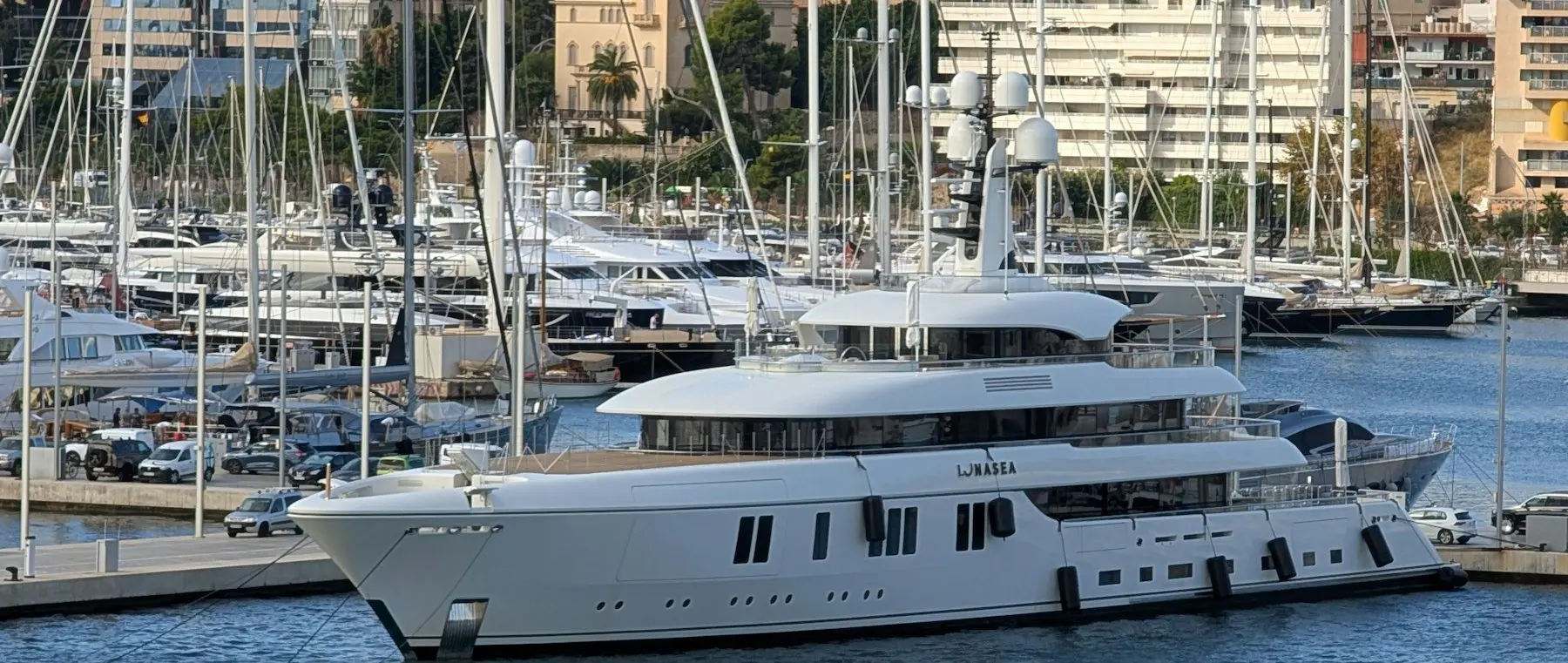
Editorial photograph: photographer and original image — David Vives / Unsplash License; illustrative marina with large white yacht; not a verified image of Marina Port de Mallorca or the captains’ vessels. Cropped and resized under the Unsplash License. Illustrative photograph only; it does not show the 2026 event or named product.
Continue reading
IGY Marinas has outlined a Brown & Brown-backed seminar programme surrounding the 14–17 November 2026 USVI Charter Yacht Show at Yacht Haven Grande, St …

An IYC and SuperYacht Times panel at Monaco Yacht Show 2026 examined how crew rest, staffing, mental wellbeing and working culture affect the guest …
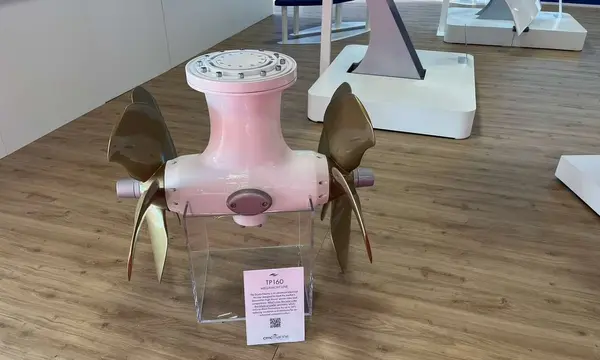
CMC Marine has provided new technical detail on the energy-management architecture behind its electric stabilisers and thrusters, explaining how capacitor storage can reduce abrupt …
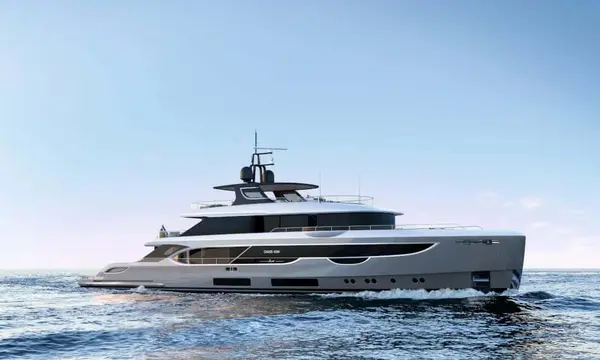
Running a 40m superyacht requires a substantial annual budget for crew, maintenance, fuel, berthing and other operating costs. Superyacht Guide's 2026 model of 322 …
Superyacht Guide
Continue into the wider Superyacht Guide.
Business opportunities · Superyacht Guide
Companies serving the superyacht market can discuss clearly identified advertising, sponsorship and business-profile opportunities. Commercial activity remains separate from independent editorial coverage.