
HAV Group Highlights Green Yard Kleven Expedition-Yacht Design Partnership
HAV Group confirms a new collaboration with Green Yard Kleven in the expedition-yacht segment while reporting Norway-based maritime engineering results.
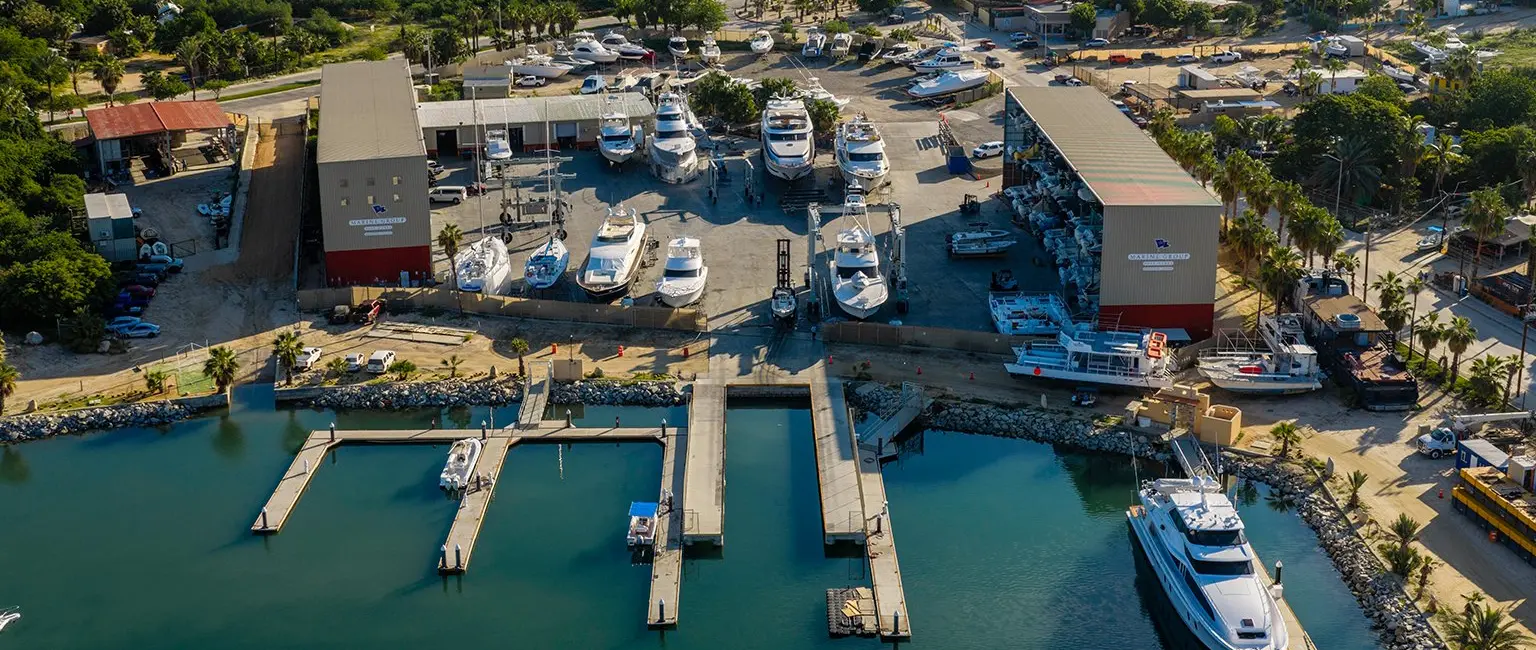
© Respective copyright holder / Marine Group Boat Works via USSA; published with the original announcement or interview, individual photographer not identified.
Marine Group Boat Works has announced secure equipment storage, expanded utility connections and vessel-assistance services at its Los Cabos yard in Mexico.
Marine Group Boat Works has announced an investment in its San José del Cabo facility, extending the infrastructure available to visiting yachts and their technical teams in southern Baja California. A company-submitted announcement published by the United States Superyacht Association on 24 November identifies three principal developments: new secure equipment storage, additional utility connections around the dry-storage area and an on-water assistance service known as Vessel Assist Cabo. The changes are operational improvements to an existing facility, rather than the opening of a new yard or the commissioning of another large yacht lift.
For the superyacht market, the wider significance lies in the provision of shoreside infrastructure in a region where many visiting vessels operate far from their usual home ports. The company's existing Mexican yard has a reported 660-tonne-class lifting capability, together with smaller lifting equipment. Its suitability for an individual yacht will depend on its actual displacement, dimensions, lifting arrangements and the scope of work required.
The Los Cabos location places the yard near the southern extremity of the Baja California peninsula, where vessels travelling along the Pacific coast can encounter very different operating conditions from those experienced in their usual berthing areas. For an owner or captain planning an extended regional programme, an accessible technical facility can be as important as the choice of guest destinations.
The yard's location should not be interpreted as evidence that every yacht visiting the area can be hauled out there. A suitable service port needs to accommodate the actual hull configuration, underwater appendages and lifting requirements. A vessel too large for the available equipment may still require afloat technical support or a different shipyard for major work.
The first specific improvement concerns newly constructed storage units, described in the company's announcement as bodegas. These are located near the dry-storage facilities and are intended for equipment and gear belonging to customers. The value of dedicated storage is particularly evident when a yacht is undergoing maintenance that requires the temporary removal of items from its deck or machinery spaces.
A technical team undertaking work away from its home base must also consider the inventory of spare parts and consumables brought aboard or ordered locally. Secure shoreside storage can support a planned work sequence without unnecessarily obstructing working areas. Captains should establish the size, access arrangements and terms of individual storage units, including the handling of sensitive or regulated materials, before incorporating them into a maintenance plan.
The second development is the extension of electrical, water and compressed-air connections around the perimeter of the dry-storage area. These utilities allow technicians to carry out work without relying exclusively on temporary connections or equipment positioned at a limited number of service points. The improvement is therefore relevant to the efficiency of existing yard operations rather than the nominal capacity of the yard's lifting systems.
The actual usefulness of these connections depends on the specifications available at each location. Marine electrical systems and shoreside supplies must be compatible, while water quality and pressure may differ according to the service required. A technical superintendent should request details of available connections and clarify whether specialist temporary equipment will still be necessary for the proposed work.
Dry storage is often discussed primarily as a means of keeping a vessel out of the water between periods of operation. For yachts undertaking extensive maintenance, however, the quality of the shore infrastructure can affect the work undertaken during the storage period. Tasks involving access to underwater surfaces, cleaning and inspection can be more straightforward where the necessary supporting services are readily available.
The company does not provide a detailed schedule of the time savings associated with the new connections. Those savings will depend on the nature of the work, allocation of technical personnel and the availability of parts. Nevertheless, better distribution of basic utilities can reduce avoidable interruptions to ordinary work and contribute to more efficient use of yard space.
Marine Group Boat Works has also introduced an assistance programme for vessels operating in the region. The announcement identifies towing, emergency fuel delivery and battery-related assistance among the services offered, together with monthly coverage options intended to accommodate seasonal operators. This is an additional service alongside the existing boatyard activities.
The programme should be assessed on the basis of its actual contractual coverage. A large yacht should not assume that assistance suitable for a smaller recreational boat necessarily provides an adequate response for its own displacement and operational circumstances. The captain or management company should confirm eligible vessel types, geographical limits, availability and any exclusions before relying on the service as part of a voyage plan.
A monthly coverage option may be useful to owners who operate in Baja California for only part of the year. Such an arrangement could reduce the need to commit to a longer contract for a service intended to support a particular cruising period. Its financial attractiveness depends on the terms, the expected duration of the visit and the protection already available through other arrangements.
An assistance subscription is not a substitute for appropriate insurance, emergency planning or compliance with the vessel's own safety procedures. For a professionally managed superyacht, the relevant question is how a local service might complement existing operational support. A review should identify which eventualities remain outside the provider's capability and which alternative resources would be available.
The company's announcement provides context on its wider business, identifying operations in California and Mexico. The Los Cabos facility is reported to have more than 300,000 square feet of land and water, with lifting equipment rated at 660, 150 and 75 tons. The Chula Vista site in California is separately described as having extensive waterfront space, workshops and an 820-ton lift.
These figures should not be confused with an unconditional maximum vessel length. Lift suitability depends on a range of technical variables, including loading distribution, hull geometry and the equipment's operating limits. The reported ratings do, however, establish that the operator maintains infrastructure with potential relevance to significant yacht repair projects, particularly where the yard can provide the necessary specialist personnel and facilities.
The relationship between the company's California and Mexican facilities is relevant to yacht managers planning longer periods of operation in the eastern Pacific. A yacht may need routine local support during a regional itinerary while reserving more substantial scheduled work for a different location. The availability of more than one facility within an operator's network may help inform those decisions.
The announcement does not establish that the same equipment, personnel or spare parts are available at both locations. Each proposed service should therefore be specified separately. Management teams comparing yards should request written information about the scope of work, any reliance on subcontractors, access to parts and expected completion dates.
The new infrastructure does not eliminate the ordinary need to arrange a repair period in advance. An owner representative should establish a work specification, confirm the facilities available for each task and ensure that the yard has assessed the vessel's principal particulars. A clear agreement on responsibility for equipment removed from the yacht is especially important where temporary storage is involved.
The timing of deliveries and the availability of specialist labour can have a substantial effect on the duration of a yard visit. That is particularly true when a yacht is operating outside its normal service network. The company's improvements address some of the physical requirements of such work, but procurement and scheduling remain separate aspects of the project.
Marine Group Boat Works' November announcement is best understood as an investment in the usability of existing regional maintenance infrastructure. Secure storage, distributed utilities and local assistance are less conspicuous than a new dock or ship lift, yet they can have meaningful implications for the people responsible for keeping vessels operational.
For yacht managers, the development adds a reason to investigate the facility when planning a Baja California programme. The next step is to obtain the yard's current technical specifications and commercial terms, rather than assume that an advertised capability establishes suitability for any particular vessel. A well-planned visit can make these improvements a useful component of a wider maintenance strategy.
Original primary record: Marine Group Boat Works via USSA. © Respective copyright holder / Marine Group Boat Works via USSA; published with the original announcement or interview, individual photographer not identified. Original first-party media: source photograph or official illustration. Copyright and image source are credited; first-party availability does not imply unrestricted reproduction permission.
Continue reading
HAV Group confirms a new collaboration with Green Yard Kleven in the expedition-yacht segment while reporting Norway-based maritime engineering results.
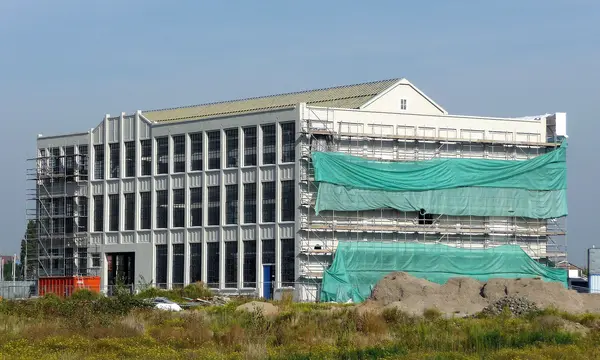
Damen Yachting will host nearly 4,000 Zeeland students at its Vlissingen site in December for TechXplore, a programme offering 180 engineering activities.
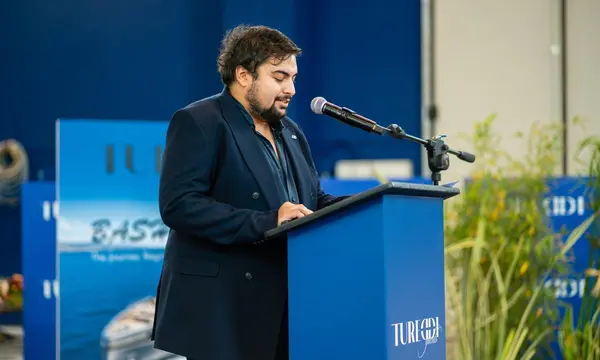
Tureddi Yachts marks construction of the 52m steel-and-aluminium Stilnovo 52 in Pisa with an owner-attended coin ceremony and confirmed design team.
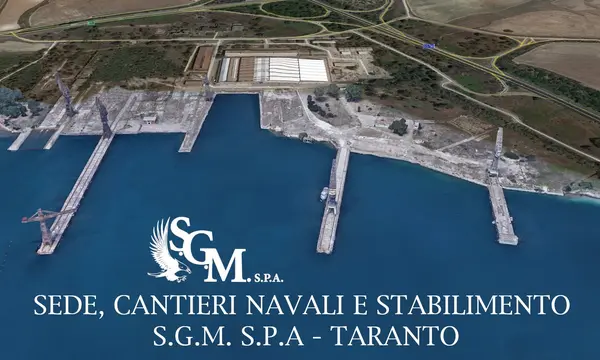
SGM has acquired the 130m MISS NORA barge for a planned 15,000–17,000-tonne floating dry dock at Taranto, with arrival expected on 25–26 November.
Superyacht Guide
Continue into the wider Superyacht Guide.
Business opportunities · Superyacht Guide
Companies serving the superyacht market can discuss clearly identified advertising, sponsorship and business-profile opportunities. Commercial activity remains separate from independent editorial coverage.