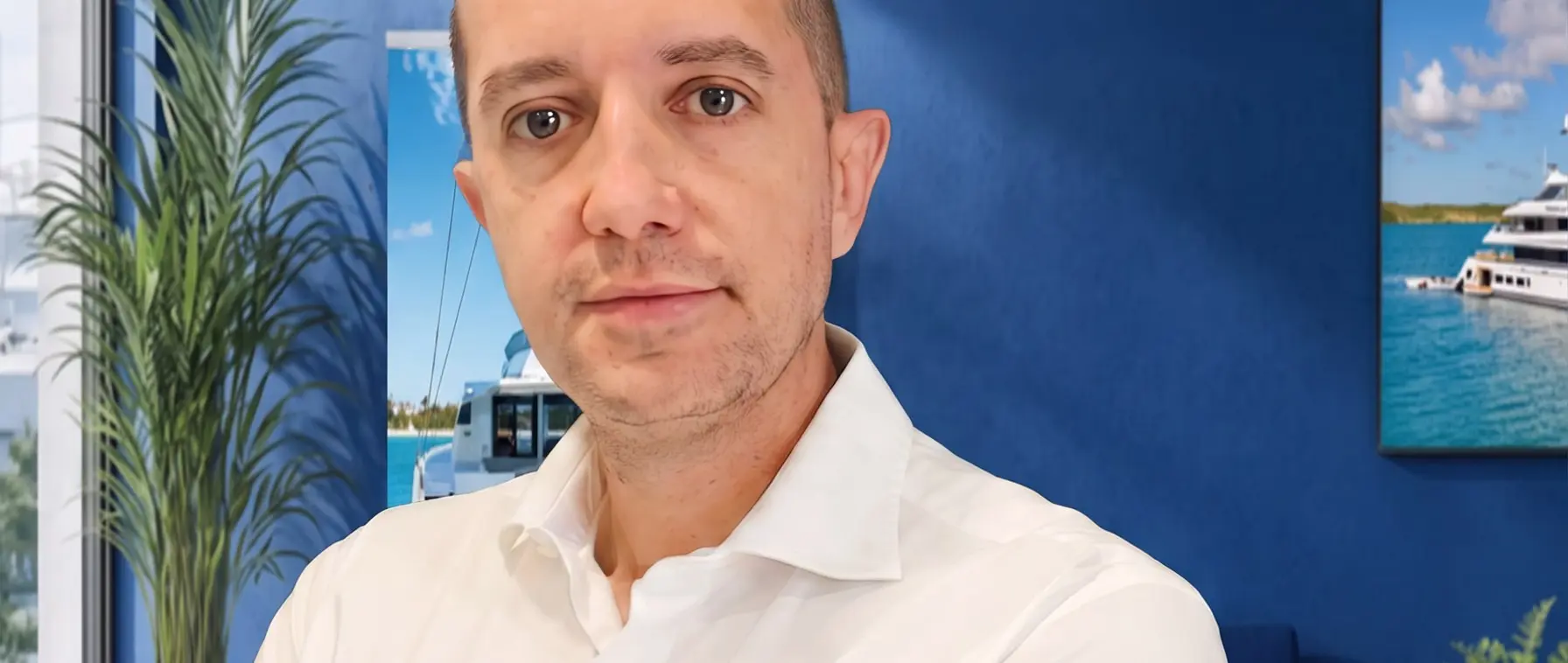
Maxwell Marine Appoints Daniele Toretta to Lead Italian Superyacht Sales
By Stephen Yardley · Edited by Stephen Yardley
Maxwell Marine has appointed Daniele Toretta to develop its Italian superyacht business, focusing on anchoring and mooring systems for newbuild and refit projects.
Maxwell Marine has appointed Daniele Toretta as superyacht sales manager for Italy, placing him in charge of developing relationships with shipyards and the specialist teams that specify anchoring and mooring equipment. The company announced the appointment on 2 November 2026 through VETUS. It concerns newbuild and refit work, two sectors that make different demands on engineers and suppliers even when the underlying equipment may appear similar from the deck.
Rather than announcing a new model of windlass or a production contract, Maxwell is investing in technical representation within one of the world's established yachtbuilding centres. Toretta will work with naval architects, designers, builders and other stakeholders from the earliest planning stages to final installation. That description matters because it places the role close to design decisions that can determine whether equipment remains practical and maintainable throughout a yacht's operating life.
Toretta previously spent four years as VETUS sales manager for Northern Italy, where the group credits him with strengthening its commercial activity. His marine-industry career began in 2007 and includes experience in propulsion and hydrodynamics. These are different disciplines from anchoring, but they involve many of the same professional contacts and a similar need to understand how equipment integrates with vessel design rather than operating as a stand-alone purchase.
A specialist commercial role in yachtbuilding requires more than product knowledge or a broad contact list. Builders need credible answers about installation requirements, service arrangements, lead times and the implications of a particular configuration. Designers may be working with constrained deck space, while technical managers may be trying to reduce crew workload. Experience with propulsion and other machinery gives Toretta a useful background for discussing those considerations, although individual solutions still require engineering review.
Maxwell's stated product remit includes windlasses, capstans and mooring winches. A windlass normally manages the deployment and recovery of anchor chain or rope, while a capstan can assist with controlled handling of lines. Mooring winches may be part of a larger arrangement coordinating several lines and locations. The exact functions, loads and safety provisions depend on the individual vessel and the equipment selected, not on a generic description of a product family.
These systems can become highly visible to a crew when manoeuvring around busy marinas or anchoring in unfamiliar conditions. The mechanical performance is only one component of operational reliability. Control positioning, communications between crew members, access for maintenance and the condition of supporting structures all affect how a deck operation proceeds. An equipment supplier can contribute to a better design, but responsibility for safe procedures and vessel-specific approval remains with the appropriate professionals.
On a new superyacht, anchor-handling arrangements can be discussed long before the surrounding deck has been completed. An architect must consider machinery spaces, anchor pockets, structural loads, crew access and the visual effect of equipment on the exterior design. Those choices interact: an arrangement that looks elegant in an early drawing could be awkward to maintain or operate if practical requirements are overlooked until construction is well advanced.
Maxwell's intention to support customers from design to installation therefore has a clear engineering rationale. Supplying a catalogue item is not always enough when a vessel has a highly customised arrangement or demanding operating profile. Product selection must be checked against the required duty and relevant rules, while the yard and owner representatives assess interfaces with other systems. Early dialogue can avoid rework, although it cannot guarantee a project will be free from technical changes.
An owner contemplating replacement of a windlass or mooring winch is rarely starting with an empty deck. Existing foundations, electrical or hydraulic services, available clearances and the location of controls may already determine what is possible. The project may also have to fit around a charter schedule or a planned maintenance period. These issues can make a refit more complicated than a straightforward equipment substitution might suggest.
Toretta's mandate explicitly includes the refit sector, and the company regards opportunities there as part of its Italian expansion. A responsible assessment would begin with the vessel's actual configuration and operating history, not an assumption that a newer product automatically fits. Measurements, documented loads, corrosion inspection and qualified installation work all matter. These considerations apply generally to marine machinery and should not be confused with a claim that Maxwell has identified faults in any particular yacht.
Italy's superyacht industry includes production yards, custom builders, engineering specialists and companies carrying out large-scale refits. Relationships among those organisations can influence equipment choices across an entire programme. A supplier with a local technical representative can discuss requirements in the same market as designers and shipyard production managers, rather than rely only on occasional visits or messages passed through several intermediaries.
The company has not disclosed a sales forecast, confirmed orderbook or revenue target for the appointment. Its official statement instead emphasises strengthening relationships with current customers and identifying future opportunities. Those are sensible commercial priorities, but the results should be measured through subsequent projects and support experience. Readers should resist treating the appointment itself as evidence of a particular increase in revenue or market share.
Maxwell traces its origins to New Zealand in the 1960s and maintains its head office and production facility in Auckland. The company describes more than fifty years of work in anchoring and related marine equipment, with customers ranging from small recreational vessels to commercial craft and superyachts exceeding 125 metres. That broad scope does not mean a single product serves every vessel; it reflects multiple product families and different engineering requirements.
Its international distributor and service network is another part of the business. For owners travelling far from the yard that originally delivered a yacht, spare parts and qualified assistance can be as important as the initial purchase price. A global network may improve the chances of obtaining support, but owners should verify the availability of the particular component and service expertise in the region they intend to visit.
Maxwell forms part of the YANMAR Marine Recreational Business Unit, which also includes VETUS, Flexofold and Smartgyro. The companies have different specialisms, from onboard systems to propellers and stabilisation technology. Their placement within one business unit provides context for Toretta's move from a VETUS regional sales role, but it should not be interpreted as a promise that products or technical approvals can be freely substituted across brands.
Large equipment groups can potentially share commercial knowledge and develop relationships with common customers, especially shipyards that procure many types of machinery. The actual design requirements remain brand and product specific. Buyers should check who supplies a particular item, what installation documentation applies and which organisation provides warranty or service support. The organisational connection is useful background rather than evidence of an integrated new yacht product being launched.
The group says industry professionals can meet Toretta at Metstrade in Amsterdam during November, with VETUS identifying stand 07.160. Trade exhibitions give technical buyers an opportunity to compare equipment approaches and speak directly with manufacturers. They are also useful for introducing a new regional representative to yards, naval architects and service companies who may already know the product but not the person responsible for its local market.
Product discussions are most productive when visitors bring basic project data and a realistic description of their operating needs. Intended vessel size, equipment arrangement, crew practices and existing system limitations can all shape the questions that follow. A conversation at an exhibition may begin a quotation or technical review, but it cannot replace detailed drawings, calculations and the formal approvals that a yacht-specific installation may require.
Davide Baldereschi, general manager of VETUS Maxwell Italia, describes the Italian superyacht market as important for technically demanding projects. Toretta has similarly emphasised long-term relationships and tailored advice. These comments establish the company's intended priorities; they do not prove that a particular vessel has achieved improved anchoring performance or that a new contract has already been signed as a result of the appointment.
Over time, the clearest indicators will be the quality of technical support, the consistency of installed equipment and the relationships maintained after delivery. Anchoring and mooring are everyday operational tasks, so the reliability of associated machinery matters to owners and crews even when it attracts little public attention. Maxwell's news is primarily about strengthening the people behind that service, rather than unveiling a new piece of hardware.
Explore
Go deeper into the yachts, companies, events and destinations directly connected to this article.
Continue reading
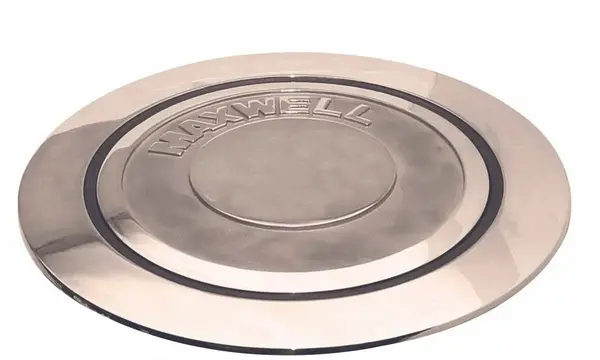
Maxwell Marine's retractable RVC capstan range offers mooring pull ratings up to 5,000kg while allowing the capstan drum to disappear beneath a yacht's deck.
Marina Port de Mallorca has published a new account of why yacht captains select a winter base in Palma, drawing on the experiences of …
BLICKFANG Vienna is taking place at the MAK Museum of Applied Arts from 6 to 8 November 2026, bringing independent furniture, fashion and jewellery …
The Italian Sea Group's board has identified SRI Group Global Limited's €220 million proposal as the basis for its restructuring plan, while expressly reserving …
Superyacht Guide
Continue into the wider Superyacht Guide.
Business opportunities · Superyacht Guide
Companies serving the superyacht market can discuss clearly identified advertising, sponsorship and business-profile opportunities. Commercial activity remains separate from independent editorial coverage.