Maxwell Introduces Retractable RVC Capstans for Superyacht Mooring
By Stephen Yardley · Edited by Stephen Yardley
Maxwell Introduces Retractable RVC Capstans for Superyacht Mooring — source image
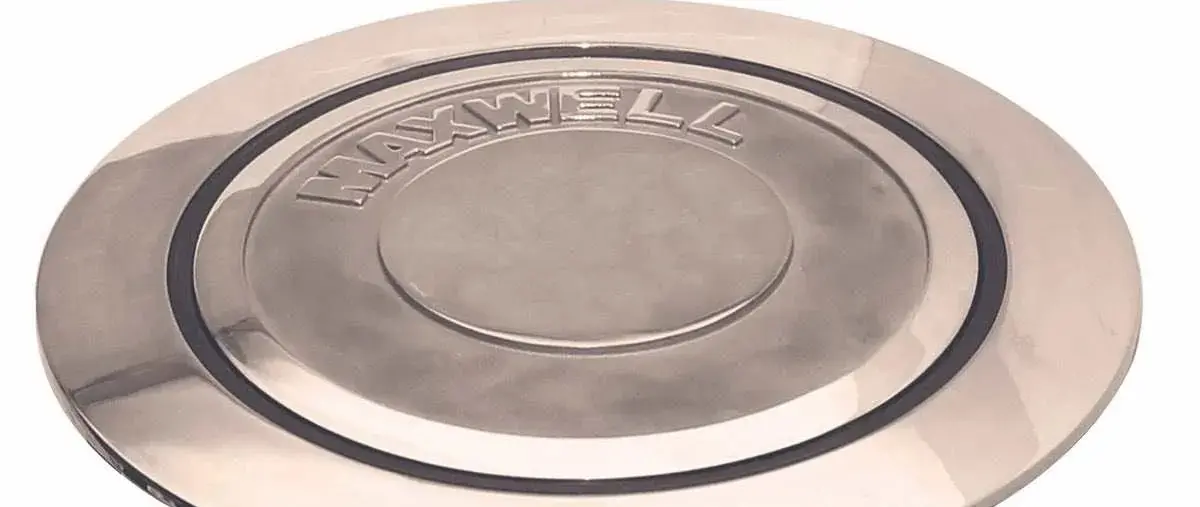
Maxwell Marine's retractable RVC capstan range offers mooring pull ratings up to 5,000kg while allowing the capstan drum to disappear beneath a yacht's deck.
Maxwell Marine's retractable vertical capstan range is designed for an awkward compromise familiar to designers of large sailing and motor yachts. Mooring drums are most useful at positions where deck space is also valuable for passengers, crew circulation and tender handling. The RVC arrangement lets the powered drum rise above the deck when lines must be handled and lower until its polished surface is flush with the surrounding finish after the manoeuvre.
That is more than a cosmetic change. Conventional protruding fittings can interrupt walkways and require crews to route lines around permanent obstructions. Retracting the drum may provide a clearer surface when the yacht is underway or at anchor, but it also means the recess, drainage and mechanical locking arrangements need attention at the earliest design stage.
The range runs from the RVC 1500 and 2500 through the 4500, 6000, 8000 and 11000. Published maximum pulls range from about 680 kilograms to 5,000 kilograms. The RVC 4500 is offered with 3.5kW DC, 4kW AC or hydraulic power, reaching a maximum pull of about 2,041 kilograms, while the 6000 rises to about 2,727 kilograms.
For the largest model, Maxwell specifies a 7.5kW AC motor option or hydraulic drive. Its 5,000-kilogram figure is the maximum pull rating, not necessarily a figure that can be sustained indefinitely. This distinction is particularly important when a yacht is held against wind or surge, because the operational loading of mooring lines changes over time.
Selecting a capstan requires more than matching yacht length to a catalogue number. Builders need to consider likely line diameters, bollard and fairlead geometry, hydraulic power available, duty cycle, thermal limits and the loads at the berth. A retractable capstan with an impressive peak figure may still be unsuitable if it cannot safely meet the expected continuous handling demand.
The manufacturer offers the smaller RVC 1500 and 2500 with DC-electric or hydraulic drive arrangements. Maxwell's technical tables differentiate operating speed and force at specified loads, allowing designers to compare actual behaviour instead of assuming that all motor choices have identical performance.
Maxwell uses 316-grade stainless steel for exposed elements and specifies environmental protection suitable for wet marine installations. Yet housing working machinery below deck introduces its own service obligations. The surrounding deck needs a sound structural foundation, suitable drainage, safe electrical or hydraulic connections and access to the moving assembly for inspection.
On an existing yacht, a refit installation would also need sufficient volume beneath the chosen deck position. Crew must be trained to control the device safely, keep hands and clothing clear of moving components and avoid leaving loaded lines on equipment contrary to its operating instructions.
The principal advantage is design flexibility: a mooring point can remain immediately available without permanently shaping guest routes around a raised drum. The practical benefit will be strongest where the naval architect, exterior designer and deck-equipment supplier agree the working layout early.
Maxwell is part of the VETUS and Yanmar marine business network and has extensive experience with windlasses and docking equipment. Its RVC product line illustrates the attention now being paid to hidden but essential yacht systems rather than only to visible guest amenities.
Explore
Go deeper into the yachts, companies, events and destinations directly connected to this article.
Continue reading
Maxwell Marine has appointed Daniele Toretta to develop its Italian superyacht business, focusing on anchoring and mooring systems for newbuild and refit projects.
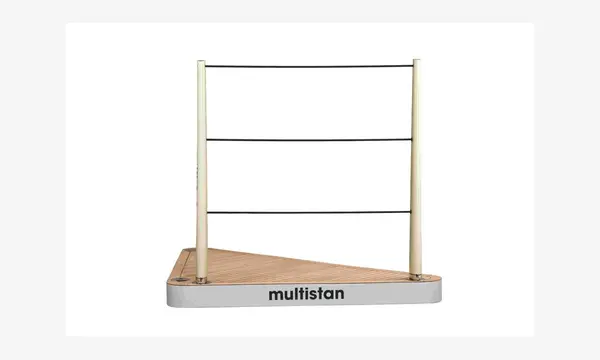
Multiplex describes its multistan removable carbon-fibre railings with a 180-degree locking mechanism and folding option for frequently accessed yacht deck areas.
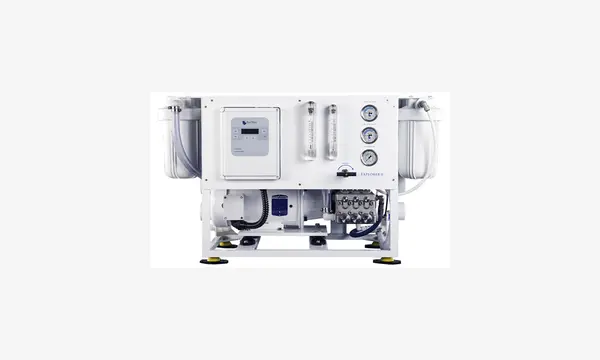
The Explorer LX from Blue Water Desalination offers a semi-automatic reverse-osmosis option for larger yachts, with published output up to 12,870 litres daily.
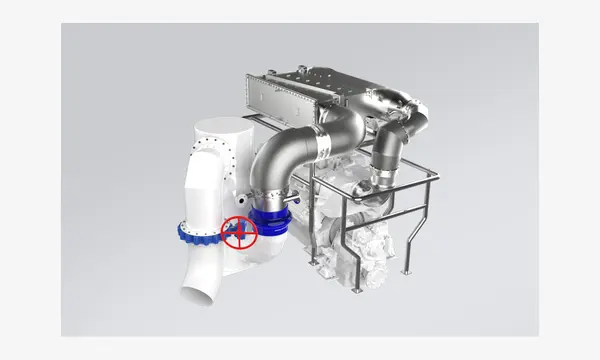
Hug Engineering presents a compact selective catalytic reduction arrangement intended to reduce nitrogen-oxide emissions from larger yacht engines.
Superyacht Guide
Continue into the wider Superyacht Guide.
Business opportunities · Superyacht Guide
Companies serving the superyacht market can discuss clearly identified advertising, sponsorship and business-profile opportunities. Commercial activity remains separate from independent editorial coverage.