Monaco Sets March 2027 Exploration and Advanced Yachting Programme
By Superyacht Guide Newsroom · Edited by Superyacht Guide Newsroom
Monaco Sets March 2027 Exploration and Advanced Yachting Programme — licensed SYG News 26Nov batch06
Monaco’s March 2027 exploration programme brings expedition yachts, scientific discussions, captains and marine innovation together at Yacht Club de Monaco.
Yacht Club de Monaco is preparing a multi-day programme of exploration, maritime science and industry discussion in March 2027, bringing expedition yachts and specialist professionals together under the Monaco, Capital of Advanced Yachting initiative. The club's official website outlines collaboration with The Explorers Club of New York and a schedule involving an Explorer Dock, educational activities, captains' discussions, blue-economy themes and awards recognising expedition and marine stewardship. The programme offers a view of how established yachting centres are trying to connect private vessels with research, innovation and the practical challenges of responsible operation.
The official initiative presents its central gathering as running from 12 to 16 March 2027, while associated sailing activity, including the Primo Cup – UBS Trophy, is listed from 10 to 14 March. The website therefore covers a wider sequence than a single weekend. Visitors and delegates should consult the individual event pages rather than assume that every activity begins on the same date.
This distinction matters for yachts travelling to Monaco, as berth availability and local event arrangements may differ from day to day. The programme is a plan, not evidence that all visiting vessels have confirmed access. Actual participation and schedules will require further official updates closer to March.
Yacht Club de Monaco identifies The Explorers Club, founded in New York in 1904, as a partner in its advanced-yachting initiative. The relationship is intended to bring together people involved in maritime exploration, scientific work and the management of specialised yachts. This connects a traditional social and sporting yachting venue with professional communities whose projects may take place far beyond popular cruising grounds.
Partnership does not mean that every expedition described at the event is funded or run by the club. Research missions normally require their own scientists, operational arrangements and permissions. The significance of the gathering is to create opportunities for dialogue and cooperation, while the merits of individual projects must be judged from their own evidence.
The programme describes an expedition fleet moored at the Yacht Club de Monaco marina as part of an Explorer Dock. The setting is intended to introduce visitors and maritime professionals to vessels used for ocean discovery, scientific programmes and long-range travel. It is a different way of presenting yachts from a sales exhibition that concentrates mainly on exterior styling or interior finishes.
An explorer yacht's capability depends on specific engineering and its operating history. A vessel described as expedition-oriented may still have substantial limitations in range, ice conditions or technical independence. The event can introduce concepts and projects, but it does not certify that every participating yacht can undertake every kind of scientific mission.
Owners sometimes express interest in supporting marine science through their vessels. That can be valuable where there is a clear research plan, qualified team and appropriate equipment. A yacht may offer transport or access to regions difficult for scientists to reach, but simply carrying cameras or sampling devices is not proof of a meaningful scientific contribution.
Any proposed work should address safety, consent, data handling and regulatory permission. The Explorers Club connection may help bring relevant professionals into discussion, while the actual feasibility of a mission remains a matter for its organisers. Good reporting should separate the ambition to contribute from verified results already achieved.
The official calendar includes a Captains' Forum during the March initiative. Captains occupy a central position in turning an owner's aspirations into a safe voyage, especially when the programme involves remote destinations or scientific teams. Their perspective can help designers and industry leaders understand practical challenges that are not always obvious during the construction stage.
A forum discussion does not replace professional regulations or flag-state guidance. Its value lies in identifying recurring problems and possible areas for cooperation. Once the meeting takes place, useful outcomes will depend on whether recommendations are documented and followed up rather than remaining general statements.
Monaco's advanced-yachting work regularly addresses propulsion efficiency and environmental performance. The club's programme highlights the wider transition toward more responsible marine activity, while associated news includes earlier discussions about energy sources for future ships and superyachts. Those topics are relevant because a yacht's operational impact depends on its systems and the way it is used.
No single future technology should be presented as a universal solution. Different vessel sizes and missions may require different combinations of propulsion, energy storage and fuel. Owners should examine real consumption, safety and serviceability before making technical choices. A conference can expose options, but it cannot replace an engineering study for a particular hull.
A Yachting Blue Economy session is among the official activities listed for March. The concept connects marine businesses with the health and productive use of oceans, including questions about investment, services and environmental responsibility. For the superyacht sector, this can mean discussing how commercial activity depends on well-managed coastal areas and access to skilled people.
The term blue economy is broad, so participants should define the specific matters they are addressing. A discussion about marina development is different from scientific research or marine habitat restoration. Effective collaboration needs objectives and evidence appropriate to each subject, rather than using a positive label to combine unrelated activities.
The club also lists a student-oriented event as part of the 2027 programme. Introducing young people to naval architecture, technology and maritime careers can help build a wider understanding of the skills that support the industry. Engineering, electronics, seamanship, environmental science and project management all contribute to complex yacht programmes.
An educational fair should not be confused with a guaranteed job or apprenticeship scheme. Students and employers need accurate information about qualifications, training and practical working conditions. The value of such an event is the opportunity to learn and establish contacts that may develop into future pathways.
The initiative includes YCM Explorer Awards, intended to recognise noteworthy people or activities connected with exploration and responsible marine engagement. Awards can bring attention to projects that might otherwise receive little public coverage, but they are not substitutes for scientific review or regulatory assessment.
Prospective nominees and winners should be evaluated according to the organiser's actual published criteria. On 26 November 2026, no March 2027 result can be reported as final. Editorial coverage should distinguish a scheduled award ceremony from confirmed outcomes and avoid predicting which yacht or owner will be selected.
Monaco has an established role in large-yacht ownership, brokerage, design and management. Its marina and associated professional networks can provide a convenient venue for conversations among people whose vessels operate internationally. The proposed March programme seeks to use that concentration of expertise to discuss more than conventional luxury ownership.
The advantages of such a setting do not remove the need to include different perspectives. Scientists, crew members, local communities and specialist suppliers can have concerns that differ from those of yacht owners. A credible programme benefits from making space for those voices rather than assuming one professional group can speak for the entire marine environment.
An owner visiting Monaco for the event must address the yacht's operational needs independently of conference registration. Berth sizes, draft limits, shore power and local restrictions can affect access. The appearance of a yacht in event publicity does not guarantee that space is available for another vessel.
Captains should obtain current port information and formal confirmation before planning arrivals. Any exhibition or dock visit may also have security and privacy requirements. Public event descriptions are an invitation to learn more, not an unrestricted access pass to privately operated yachts.
The club's wider programme references the SEA Index, a framework intended to provide measurable information about aspects of yachts' environmental performance. Such tools can help owners ask more informed questions, but results depend on methodology, data quality and the scope of assessment.
An environmental rating should not be treated as proof that a yacht has no impact. Different operating patterns and technologies affect performance, and no single figure captures every environmental concern. The index may provide a useful starting point for conversation, while independent technical analysis remains necessary for specific decisions.
Operating a yacht with researchers aboard introduces practical questions. Equipment may need secure storage and appropriate electrical connections, while scientists require safe working arrangements. The captain is responsible for navigation and vessel safety, and the research team is responsible for its scientific methods.
Clear agreements can help prevent conflicts over schedules and access to operating areas. A planned sample collection may be impossible in adverse weather or under local restrictions. Owners supporting research should be prepared for that uncertainty rather than expecting the experience to follow an ordinary leisure itinerary.
Complex yacht projects generate design records, manuals, certificates and maintenance histories. These materials become particularly important during long-range operations or when specialised scientific equipment is installed temporarily. Poorly managed documentation can complicate troubleshooting and future refits.
A discussion about advanced yachting can contribute by promoting clearer information-sharing and project processes. That would be more useful than treating innovation purely as a sequence of new devices. A reliable system of records may improve safety and serviceability throughout a vessel's life.
Yacht Club de Monaco identifies a mix of explorers, captains, scientists, engineers and owners as intended participants. Certain activities may be aimed at delegates or invited visitors, while others can offer wider educational interest. The official website describes the themes and venues but does not guarantee universal access to each yacht or private session.
A visitor should review registration and eligibility requirements for the particular activity they wish to attend. A programme featuring a marina exhibition, seminar and award presentation may have different access arrangements across those components. Accurate reporting should not invent admission terms or place numbers where none have been confirmed.
As of 26 November, the 2027 event is several months away. The published programme lists a sequence of activities from 10 to 16 March, including the Explorer Dock, student fair, discussions and awards. However, precise participants, vessel lineups and session outcomes can change during preparation.
Organisers may release more detailed timetables closer to the event. Owners and professionals considering travel should use the latest official information before committing to schedules. The existence of an event page is solid evidence of an announced programme, not proof that every planned contributor will ultimately attend.
The Monaco initiative highlights a growing interest in using large private vessels as platforms for more than leisure cruising. Some owners may be able to contribute to exploration and research, while others may learn from industry discussions about technical performance, environmental responsibilities and the future workforce.
The most productive outcome would be practical partnerships supported by clear objectives. A public commitment to ocean science deserves attention when it leads to properly planned work and independently useful information. The 2027 gathering offers a setting to develop those conversations, but its success can only be assessed after the activities take place.
Primary source: Yacht Club de Monaco, official March 2027 advanced yachting and exploration programme.
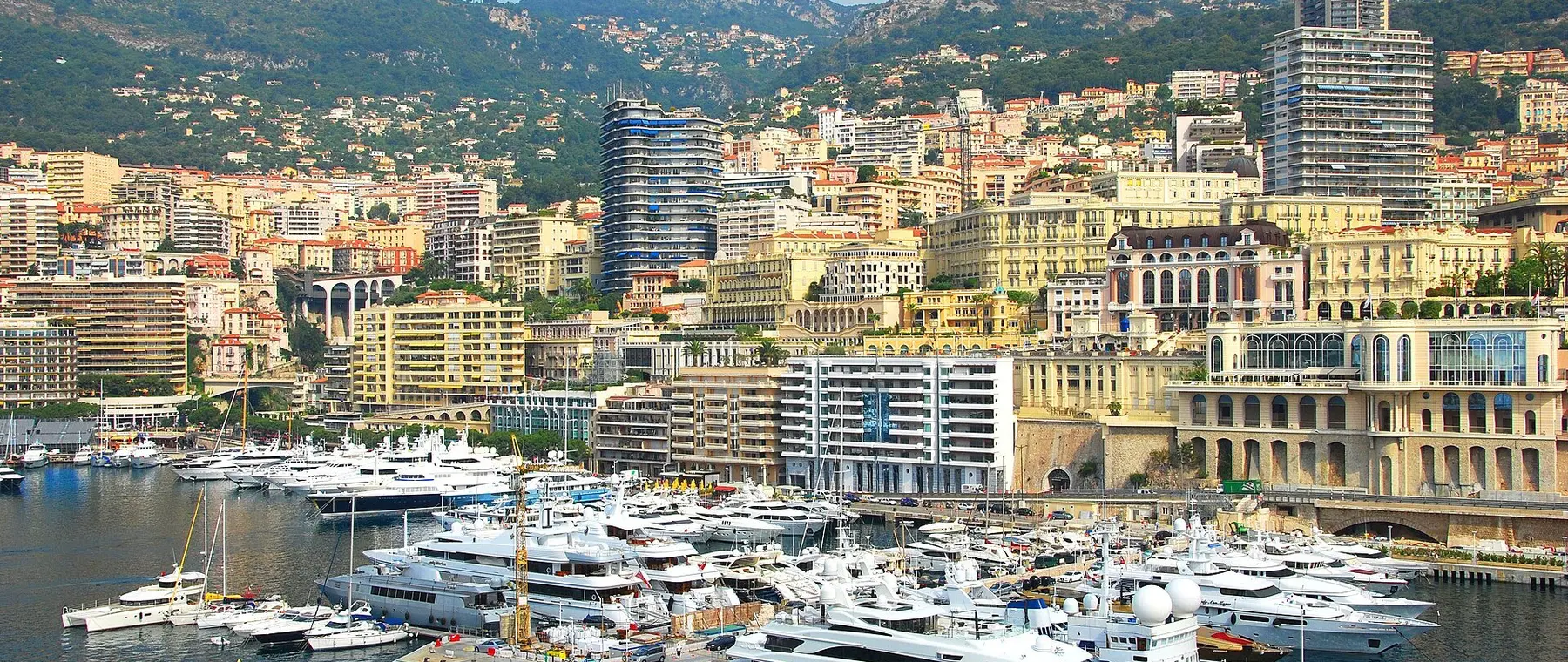
Licensed archival photograph of Monaco harbour or its marina; not the planned March 2027 event. Photo: Mike McBey; CC BY 2.0 via Wikimedia Commons. Licensed photograph.
Explore
Go deeper into the yachts, companies, events and destinations directly connected to this article.
Continue reading
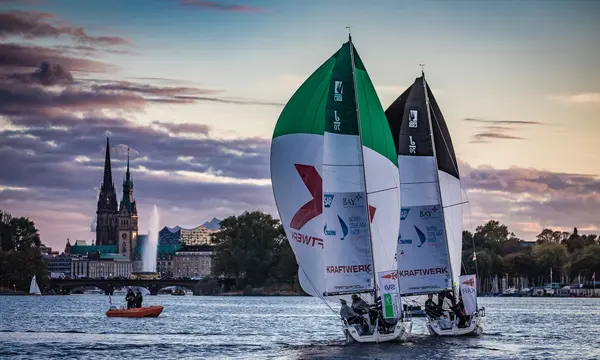
Yacht Club de Monaco sets the second J/70 Sportsboat Winter Series act for 10–13 December 2026, with further international racing scheduled through March 2027.
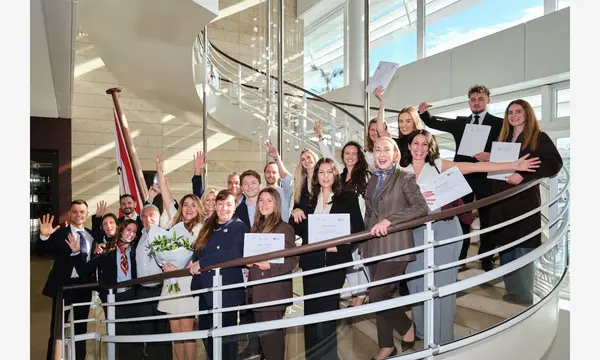
Monaco’s La Belle Classe Academy recognised 15 Yachting Masterclass graduates on 14 November 2026 after nine weeks of online learning.
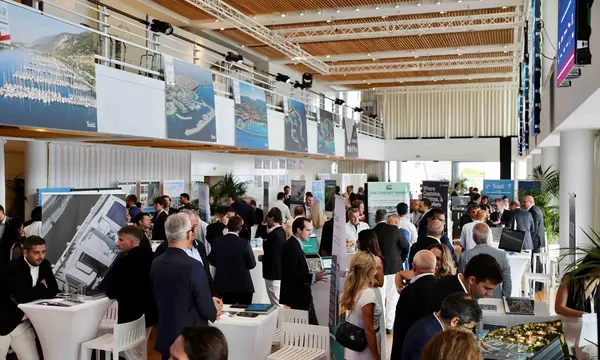
The sixth Monaco Smart & Sustainable Marina Rendezvous opens on 20 September with participants from 30 countries discussing marina investment, biodiversity, standards, AI and …
Ferretti Group presented 41 yachts and five world premieres at its 2026 Private Preview at Yacht Club de Monaco ahead of the autumn boat-show …
Superyacht Guide
Continue into the wider Superyacht Guide.
Business opportunities · Superyacht Guide
Companies serving the superyacht market can discuss clearly identified advertising, sponsorship and business-profile opportunities. Commercial activity remains separate from independent editorial coverage.

