Monaco Prepares December J/70 Act of 2026–27 Sportsboat Winter Series
By Superyacht Guide Newsroom · Edited by Superyacht Guide Newsroom
Monaco Prepares December J/70 Act of 2026–27 Sportsboat Winter Series — licensed SYG News 26Nov batch06
Yacht Club de Monaco sets the second J/70 Sportsboat Winter Series act for 10–13 December 2026, with further international racing scheduled through March 2027.
Yacht Club de Monaco is preparing to host the next stage of its international J/70 winter racing programme from 10 to 13 December 2026, continuing a series that brings crews to the Principality between autumn and spring. The club's official calendar identifies December as Act 2 of the 2026–27 Monaco Sportsboat Winter Series, followed by meetings in February and March 2027, when the Primo Cup – UBS Trophy forms the concluding stage. Although the boats are far smaller than luxury superyachts, the programme plays a useful role in the wider yachting sector by sustaining competitive sailing skills, professional relationships and activity in a major Mediterranean maritime centre during the winter.
The next listed event runs from Thursday 10 to Sunday 13 December. Yacht Club de Monaco describes the winter programme as a series of international one-design regattas, allowing experienced and developing teams to compete in comparable boats. The dates should be treated as the planned programme, not confirmation that every race will take place, because conditions and organiser decisions can affect on-water schedules.
Owners and crew considering participation should consult the official notice of race, registration documents and any later updates. A yacht club's website provides the framework, while the event's operational instructions determine what happens each day. The official source does not permit an editor to invent entries, finishing positions or weather experienced during the future December act.
The series is organised primarily around the J/70, a one-design keelboat class. When boats are built to comparable specifications and must follow class rules, the competition places emphasis on crew coordination, tactical decisions and how well teams prepare their equipment. This is different from racing where substantially different vessel designs are compared through a rating system.
One-design does not mean every boat performs identically at every moment. Sail handling, weight distribution within the rules, hull condition and decision-making can influence the result. Competitors therefore have strong reasons to practise together and review their own performance. A structured winter circuit gives crews repeated opportunities to test those skills.
Yacht Club de Monaco dates the Sportsboat Winter Series to 2013. Its longevity helps explain why teams may return year after year even when their principal racing objectives occur in a warmer season. Familiarity with an event can support reliable organisation and shared expectations, while the quality of the competition continues to depend on the actual fleet assembled.
A history of past editions should not be misread as evidence about the 2026–27 standings. Previous winners listed on the club's website belong to their respective seasons. The current article discusses the scheduled winter programme and the first-act report already published, without awarding future trophies or implying that a previous champion has entered every forthcoming stage.
The club has published an 8 November report on the opening act, naming Moonlight II as the winner of a closely fought contest. That result provides a useful indication that the new winter circuit has begun. It does not determine the outcome of the December racing, where entries, weather and competitive performance can differ.
Teams competing across several acts must consider consistency. A strong early result may help build confidence but does not remove the need for preparation in later races. The series format encourages participants to treat each start and manoeuvre as part of an extended campaign rather than a stand-alone exhibition.
After the December meeting, the official programme lists Act 3 for 11–14 February 2027 and the final Primo Cup – UBS Trophy for 10–14 March 2027. This provides a route from autumn racing through to the beginning of the Mediterranean spring season. Owners or crew planning to attend several acts need to consider transport, accommodation and time away from other commitments.
These dates remain prospective, and event information may change. Yacht Club de Monaco's formal notices should take precedence over summaries circulated by third parties. The use of a common racing platform can make repeat participation attractive, but it also requires boats and teams to satisfy applicable class and registration requirements.
The club explains that the series can involve multiple short races during an act, subject to weather and race management. A sequence of closely timed starts creates a different rhythm from a long offshore passage. Crews have limited time to correct mistakes, adjust sails and prepare for the next start, making communication and role clarity especially important.
The format is useful for training because a team can review decisions quickly and apply changes in a subsequent race. However, racing is never a guarantee of safe conditions. The organiser and the person responsible for each boat must evaluate whether the weather and their crew's capabilities permit participation.
Sailing in the Mediterranean in December can offer rewarding competition, but winter weather is not necessarily predictable or benign. Wind direction, temperature and sea state can change, affecting crew comfort and safety. Even a small keelboat requires appropriate clothing, competent handling and preparation for conditions outside a sheltered marina.
Crews should use current forecasts and follow the event's safety requirements. The published programme describes the appeal of Monaco's winter sailing environment, but it does not certify that every day will deliver an ideal breeze or calm water. Readers should not turn general location descriptions into weather predictions.
Yacht Club de Monaco presents the event as attracting teams from across Europe and beyond, combining professional and amateur sailors. The official site displays participation figures and information about the development of a J/70 racing community in the Principality. Such international activity can enrich the competition by bringing crews with different experiences into the same fleet.
Displayed statistics require context, particularly where a page combines historic editions with current programme information. The number of boats entered in the December act should be verified from the official entry list before being reported as confirmed. It would be premature to assume that all participants shown in a general website summary will start a particular race.
A J/70 crew works in a relatively confined space, where weight movement, trim and communication can quickly influence performance. This differs from the management of a large yacht, but both environments depend on people understanding their responsibilities. A successful team needs a shared plan and the ability to respond constructively when circumstances change.
The comparison should not be overstated. Superyacht bridge operations, safety management and commercial obligations are governed by different systems. Nevertheless, experienced sailors often value the judgement and teamwork developed in smaller-boat racing. Winter events can offer professionals and enthusiasts a way to maintain those practical habits.
One-design competition depends on agreed class rules, which help prevent equipment spending from eclipsing sailing ability. Participants must understand what modifications, sails and fittings are permitted. A seemingly minor change can have consequences for compliance and fairness, so technical preparation should include appropriate inspection and documentation.
The organiser's published rules are the relevant authority for the event. An article about the race cannot substitute for the formal documents. Owners should confirm that the boat meets class requirements before committing to transport or entry fees, particularly if it has been modified for another programme.
An international regatta can create demand for marine services, equipment, accommodation and logistics, particularly when visiting teams arrive for several days. The waterfront activity is part of Monaco's broader yachting economy, although an individual event does not establish a quantified local financial benefit without supporting research.
Yacht clubs also rely on staff, volunteers and race-management expertise. These people often work away from public attention but help ensure that competitors receive clear information and that the event can respond to changing conditions. The quality of the programme depends as much on such operations as on the fleet's public profile.
The March final has a particular place in the club's calendar. The Primo Cup – UBS Trophy provides a recognised end point for teams using the winter circuit to prepare for more extensive racing. By scheduling several acts before it, the organiser encourages progressive development rather than a single isolated race weekend.
Teams may use the winter period to adjust their tactics, improve starting routines and assess crew combinations. Such goals are practical and measurable within the racing context, though the event does not promise that participation will produce a particular result in future competitions. Training value depends on the effort and feedback each team brings.
The official website identifies potential viewing areas around Monaco's harbour and waterfront. Spectators may be able to follow parts of the racing from public vantage points, subject to access and visibility. A clear view of a start line or a particular mark is not guaranteed from every location.
Visitors should consult current event guidance and respect restricted areas. The presence of a yacht club race does not mean that spectators can board competing boats or enter private club facilities without permission. For owners whose main interest is superyachting, the series may provide an additional maritime event during a winter visit to the Principality.
Some yacht crew members sail competitively outside their primary employment. Racing can offer technical challenge, contact with other maritime professionals and experience of making decisions in changing conditions. It can also create a sense of participation in the wider boating community beyond service and maintenance work aboard larger vessels.
This should not be taken as a formal qualification in bridge watchkeeping or commercial yacht operation. Those professions have their own training and regulatory requirements. Small-boat racing complements, rather than replaces, the skills needed for safe superyacht management.
On 26 November 2026, the December act has not yet occurred. The correct report can establish its official dates, programme structure and the club's recorded result from early November, while leaving December results for later verification. A preview should not invent race winners, weather, injuries or participation numbers.
Similarly, the published calendar should not be treated as a berth reservation service for visiting superyachts. Anyone planning a port stay should confirm availability independently. These distinctions help ensure that a sporting article remains useful without overstating what a programme page can prove.
The Monaco Sportsboat Winter Series sustains structured competition across several months and brings together people whose interest in yachting extends from small racing boats to much larger vessels. Its 2026–27 calendar is now under way, with the next act scheduled for 10–13 December. The event shows how a major maritime centre can remain active outside the main summer cruising season.
For the yacht industry, the story is about professional relationships, training and the practical enjoyment of sailing. The December racing is an opportunity for teams to continue refining their skills, not a completed result. The next substantive news will come when the club publishes confirmed entries and official outcomes from that act.
Primary source: Yacht Club de Monaco official 2026–27 Monaco Sportsboat Winter Series event calendar.
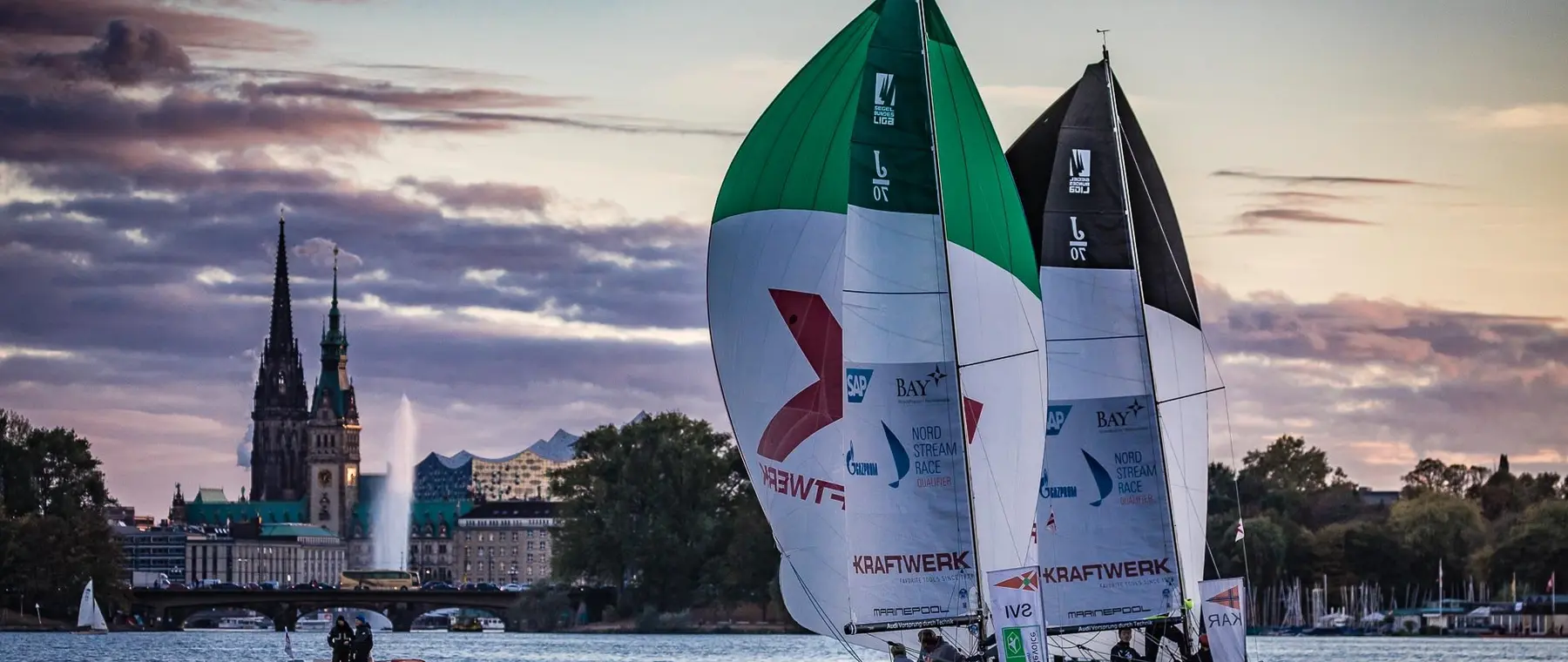
Licensed archival image of J/70 keelboat racing outside Monaco, not the forthcoming December act. Photo: Lars Wehrmann; CC BY-SA 4.0 via Wikimedia Commons. Licensed photograph.
Explore
Go deeper into the yachts, companies, events and destinations directly connected to this article.
Continue reading
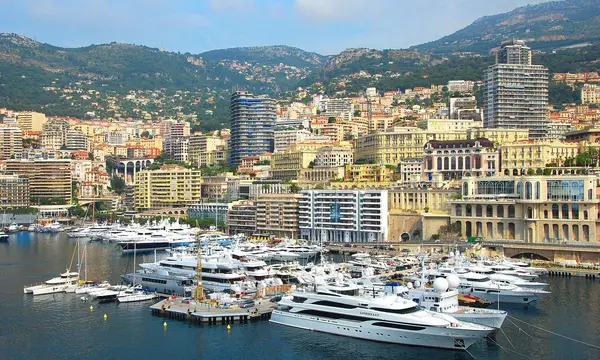
Monaco’s March 2027 exploration programme brings expedition yachts, scientific discussions, captains and marine innovation together at Yacht Club de Monaco.

Monaco’s La Belle Classe Academy recognised 15 Yachting Masterclass graduates on 14 November 2026 after nine weeks of online learning.
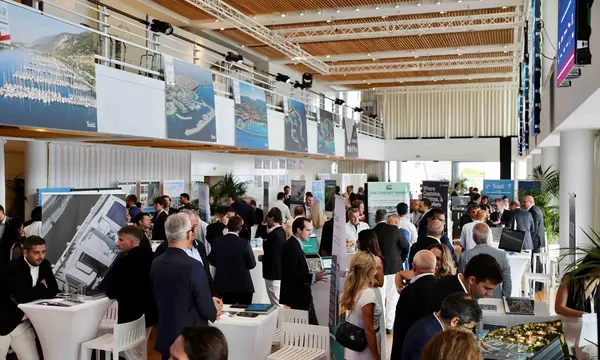
The sixth Monaco Smart & Sustainable Marina Rendezvous opens on 20 September with participants from 30 countries discussing marina investment, biodiversity, standards, AI and …
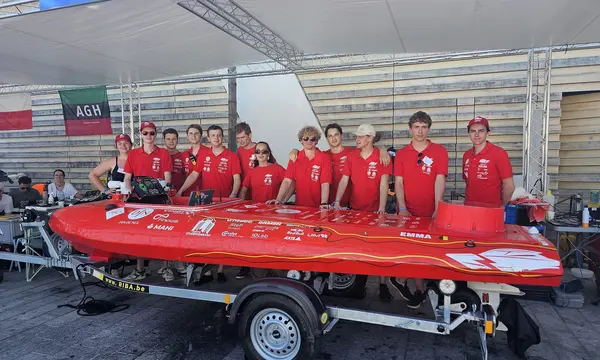
Yacht Club de Monaco invites engineering students to redesign its Energy Class catamaran, with May 2027 submissions and final presentations in Monaco.
Superyacht Guide
Continue into the wider Superyacht Guide.
Business opportunities · Superyacht Guide
Companies serving the superyacht market can discuss clearly identified advertising, sponsorship and business-profile opportunities. Commercial activity remains separate from independent editorial coverage.

