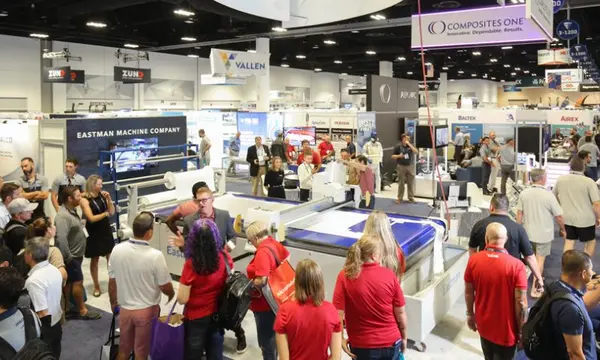
Cox Marine to Put Diesel Outboard Propulsion on IBEX 2026 Agenda
Cox Marine's Hugh Hudleston is set to discuss diesel outboard technology at IBEX 2026, where boatbuilders and equipment specialists will consider propulsion choices for …
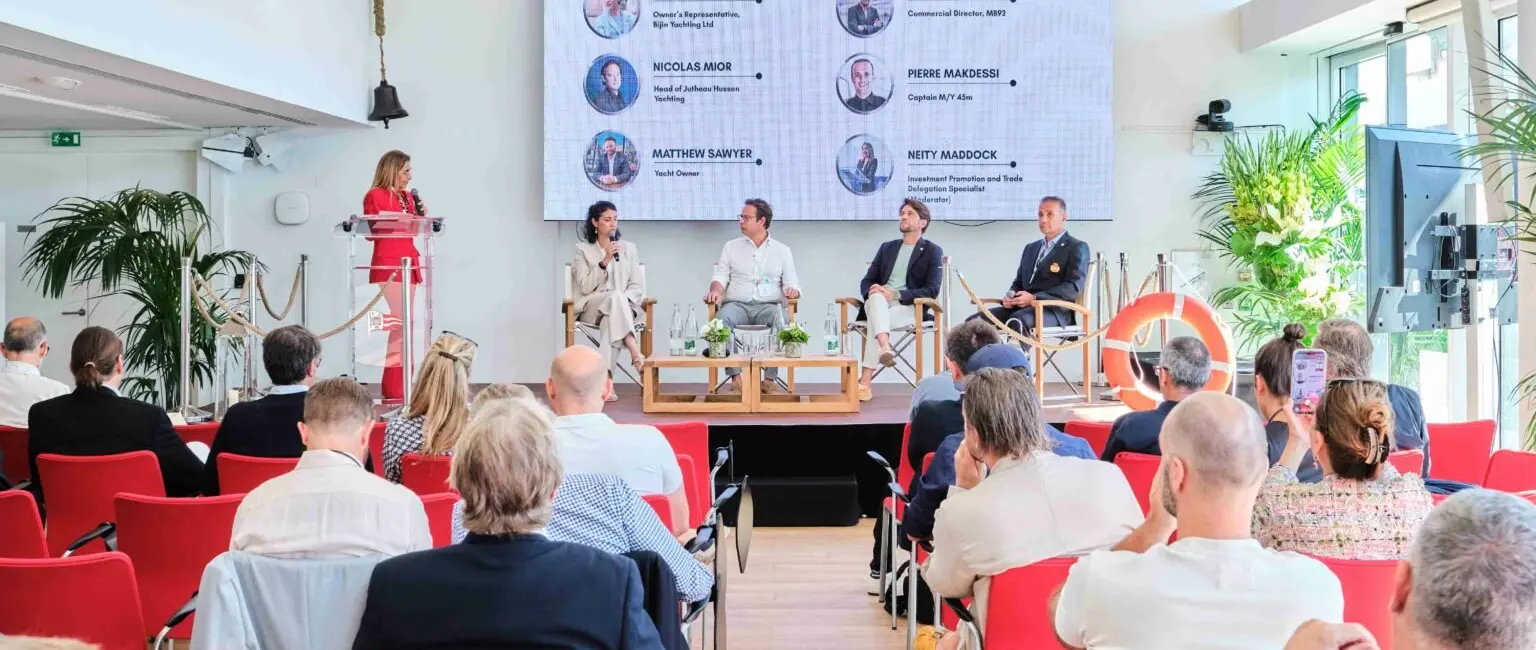
The Yacht Club de Monaco brought 128 captains and specialists together to examine where alternative fuels and hybrid technologies can work in practical yacht operations.
Hero photograph: Yacht Club de Monaco’s 2025 Captains’ Forum (archive). This report covers the 2026 edition.
A yacht may be designed around a particular propulsion system, but its captain has to make that system work between real ports, in changing conditions and with the fuel that is actually available. That operational question ran through the 31st Captains’ Forum hosted by Yacht Club de Monaco during the 2026 Monaco Yacht Show.
The club says 128 superyacht captains and international specialists attended the gathering, organised with Jutheau Husson, Oceanco, MB92 Group and ICON Yachts. Its focus was not to identify one replacement for conventional marine diesel, but to examine how wind, solar generation, battery storage, HVO, methanol and hydrogen compare when placed against different vessel profiles.
Speakers considered how onboard generation, propulsion and storage can be combined rather than treated as independent selling points. The club cited an electric catamaran that had covered approximately 17,000 nautical miles, drawing 30–35% of its energy from solar panels and the remainder from hydro-generation while sailing.
A battery can support quiet running and make better use of energy produced elsewhere, but it also adds weight and occupies valuable volume. For a superyacht designer, the relevant question is therefore how much storage suits the intended cruising and hotel-load profile, not simply how large a battery installation can be specified.
HVO was discussed as a fuel that can be used in suitable existing engines, with the practical issue shifting towards where it can be bunkered and whether a route can be planned around reliable supply. The club reported that Rolls-Royce’s representative discussed its use in relevant engines and blending with conventional diesel, while Peninsula highlighted continuing gaps in distribution.
Methanol offers another route, but requires a different approach to engine and fuel-system design. The discussion included dual-fuel machinery able to retain diesel operation when methanol is unavailable, a flexibility that matters to yachts travelling between regions with very different supply networks.
The forum also examined technologies that may be technically viable without being a straightforward fit for every yacht. Hydrogen fuel cells can avoid carbon dioxide, nitrogen oxides and particulate emissions at the point of use, but storage volume and bunkering arrangements still influence what a vessel can achieve.
Ammonia, LNG and nuclear propulsion raised additional questions of space, safety, regulation and access to facilities. Yacht Club de Monaco reported that Lloyd’s Register discussed the regulatory framework for newer reactor designs, emphasising that technical development and approval by authorities are separate matters.
The final discussion moved from engineering to finance and deployment. Fuel cost, route flexibility, energy infrastructure, lifecycle emissions and the value of a vessel designed around a specific technology all affect whether a proposed system makes commercial and operational sense.
A lower exhaust-emissions claim is not automatically a full lifecycle benefit, because fuel production can carry its own environmental cost. The forum’s practical message was that builders, owners and managers need to evaluate the entire energy pathway and involve working seafarers before making long-term decisions.
For superyachts, there is unlikely to be a single universal specification. A vessel returning to the same marina each evening has different opportunities from a yacht making an open-ended transoceanic passage, and the technology has to be assessed against those real duties.
Continue reading
Cox Marine's Hugh Hudleston is set to discuss diesel outboard technology at IBEX 2026, where boatbuilders and equipment specialists will consider propulsion choices for …
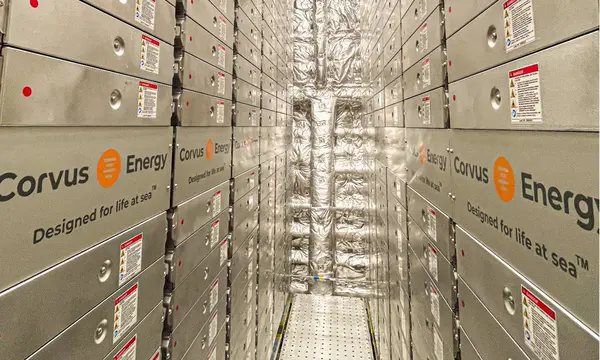
DNV cybersecurity type approval now covers Corvus Energy’s Dolphin NxtGen battery system and Gen 4 battery-management controller.
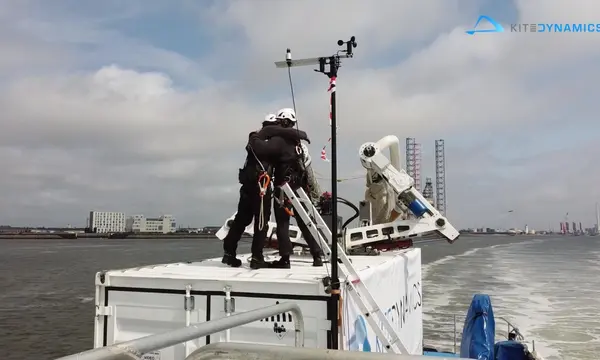
Kite Dynamics is developing four-line kite propulsion following at-sea trials in 2025 and 2026, with yacht applications remaining at the prototype and engineering stage.
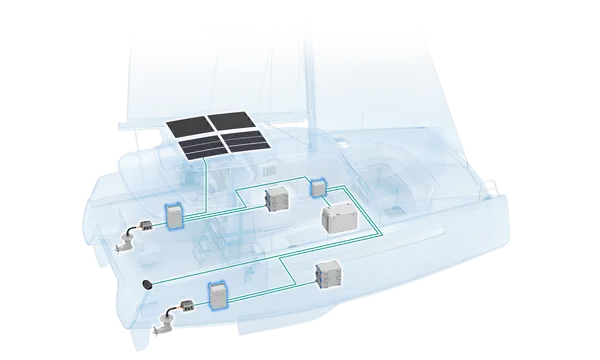
ePropulsion's new eCore Energy Management System combines a 96V DC core with an optional AC module to coordinate propulsion and onboard electrical demand.
Superyacht Guide
Continue into the wider Superyacht Guide.
Business opportunities · Superyacht Guide
Companies serving the superyacht market can discuss clearly identified advertising, sponsorship and business-profile opportunities. Commercial activity remains separate from independent editorial coverage.