Muir Launches INOX PRO Stainless Windlass Drivetrain for Yachts at METSTRADE
By Superyacht Guide Newsroom · Edited by Superyacht Guide Newsroom
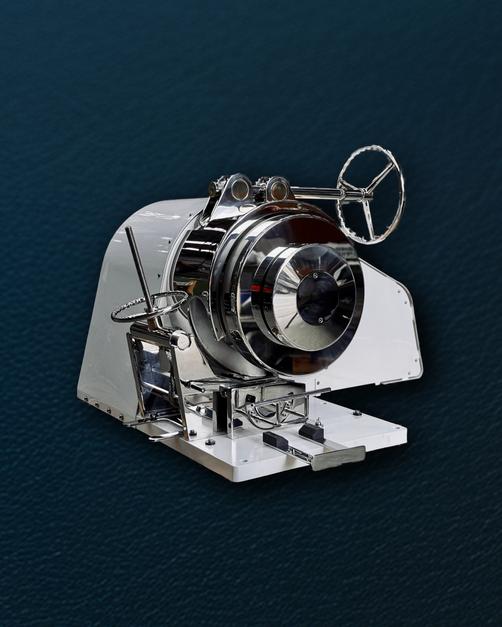
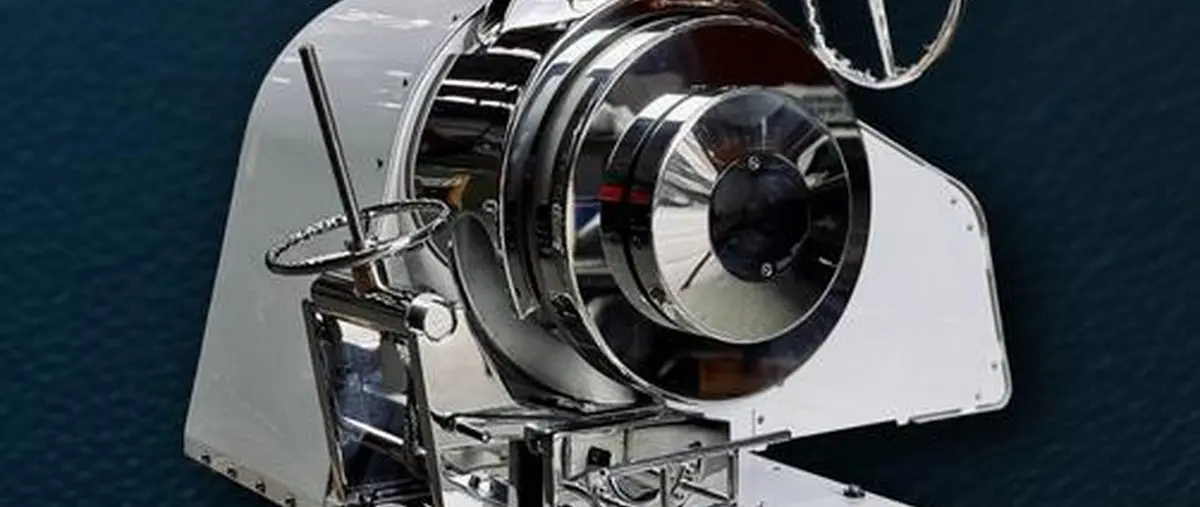
Muir INOX PRO stainless steel motor and windlass housing official METSTRADE manufacturer alternate product photograph
Muir debuts its INOX PRO stainless motor and gearbox housing option for recreational windlasses at METSTRADE 2026, addressing corrosion in anchor lockers.
Australian marine equipment manufacturer Muir Anchoring Systems has used METSTRADE 2026 in Amsterdam to introduce INOX PRO, a stainless-steel drivetrain option for its recreational windlasses, drum winches and mooring capstans. Announced on 16 November, the upgrade replaces alloy gearbox and motor housings with stainless steel components designed to address corrosion in the wet conditions often found below deck. According to the manufacturer, the option can be ordered for new systems and installed as a motor-and-gearbox exchange on compatible existing equipment. Its announced recreational range extends to approximately 25 metres, so it is most directly relevant to the entry end of the superyacht market and to larger support vessels rather than the very largest ocean-going yachts. For owners, refit managers and yachtbuilders, the news raises a broader question: how should anchoring machinery be specified so that the components hidden in a locker last as well as the polished hardware visible above deck?
A windlass may present an attractive stainless-steel deck fitting while its gearbox and motor live in a less forgiving environment beneath the deck. Anchor lockers can be wet, salty, difficult to ventilate and awkward for inspection. Muir says dealer and owner feedback pointed to an established weak point: painted alloy housings deteriorating after exposure to salt water, sometimes exacerbated by galvanic interactions where dissimilar metals meet. A replacement windlass can become necessary not because its mechanical function was poorly designed but because its housing has lost integrity. The maker's new specification therefore addresses material selection rather than promising a completely different anchoring mechanism. The actual severity of the problem varies with vessel design, drainage, coatings and maintenance practices, so the new option should be treated as an engineering response to a common risk rather than a guarantee that every installation will remain corrosion-free.
The official METSTRADE announcement identifies the gearbox housing and motor housing as the elements changed to stainless steel, matching the material standard of the visible polished top works. The manufacturer says its gear train, brake, clutch and seals remain the same as its standard configuration. That is an important distinction for existing owners because it suggests that the upgrade does not require the shipyard to redesign the entire operating system. Muir also states that mounting footprints, wiring and control arrangements remain familiar to installers. Owners should nevertheless obtain the current product drawing for their exact model before assuming that every installation can be exchanged without other work. Old machinery can have accumulated modifications, corrosion or changes to cable routing over its lifetime. Compatibility needs confirmation against the serial number, present condition and available installation space.
Muir supplies anchoring equipment to the wider recreational, commercial and superyacht sectors, but the published INOX PRO release describes the new option specifically for its recreational range, covering vessels of roughly five to 25 metres. That scope should not be confused with the much larger windlass systems the company also makes for 30- to 150-metre yachts. An owner of a 60-metre vessel should not infer that INOX PRO is automatically available for its primary anchor machinery. Nevertheless, the development is relevant to the broader industry because manufacturers serving very large yachts can carry material, testing and servicing lessons into the smaller models used on compact superyachts and chase boats. For the 24- to 25-metre segment itself, it presents a direct choice of drivetrain construction, subject to the required anchoring loads and the maker's model compatibility.
The manufacturer's statement lists Storm vertical windlasses in VR and VRC configurations, Compact horizontal HR windlasses, DW and DFF drum winches and Sailor VC mooring capstans. These are several distinct types of deck machinery, not interchangeable models. A vertical windlass, horizontal unit, drum winch and capstan can have different handling characteristics and installation requirements. The selection depends on anchor size, chain or rope specification, working loads and the layout of the foredeck or mooring station. Material improvement does not remove the need to specify the correct machine. Buyers should ask which individual models can be supplied immediately, which have longer lead times and whether the proposed exchange is compatible with the existing chain gypsy, brake and controls. The source describes a common upgrade philosophy across several products, not a universal kit fitting every vessel.
Muir lists a five-year warranty for the INOX PRO gearbox housing and a three-year warranty for its motor, alongside the manufacturer's five-year top-works warranty. The differing periods matter to owners because they show that the components are covered under separate terms. A procurement team should request the full written warranty, including maintenance obligations, exclusions and how claims are administered when the yacht operates away from its home market. A long warranty can be commercially useful but does not guarantee a rapid repair in a remote marina. Spare-parts support, a clear service process and access to competent technicians remain important considerations. The claim should also be read as applying to the specified components and conditions, not as an assurance that the entire anchoring system is free from other possible defects.
A notable part of the announcement is the option to retrofit existing compatible Muir installations by exchanging the motor and gearbox rather than discarding the visible upper assembly. That could reduce the amount of deck work and limit the need to disturb the anchor handling arrangement. It is still necessary to inspect the components retained in service. If an older gearbox has suffered significant corrosion, moisture may also have affected fasteners, electrical cables or adjacent structure. Refit managers should check whether repairs to drainage or ventilation are warranted before fitting the replacement. Otherwise a better housing material could be installed into the same poor environment without addressing the rest of the system. A well-planned exchange includes a documented inspection, compatibility assessment and commissioning test rather than treating the new material as a complete solution.
The announcement says INOX PRO was developed and tested at Muir's facility in Kingston, Tasmania, including salt-spray testing under its ISO 9001 quality system. This provides information about the manufacturer's development process, but it is not a complete public test report establishing a particular number of years of life in all real sea conditions. Buyers should ask what material grade is specified, how exposure testing was conducted and what inspection and maintenance are recommended. They should also distinguish corrosion testing of a housing from testing of the whole machine under anchoring load. Robust construction involves seals, electrical isolation, bearings, protective covers and proper installation as well as the housing itself. Material improvements are welcome, but the vessel's overall operating reliability still depends on sound engineering and routine attention.
Replacing painted alloy components may eliminate a familiar need to monitor coating damage on those particular housings, according to Muir's statement. Stainless steel nevertheless requires correct selection, cleaning and inspection, particularly where salt and moisture collect in narrow gaps. The anchor locker may contain dissimilar metals elsewhere, and fasteners or adjoining parts can still present galvanic or crevice-corrosion risks. An owner should not use the word stainless as a reason to abandon maintenance. The engineer needs a schedule that addresses electrical connections, mechanical wear, lubrication, brake function and the condition of the anchor chain or rope. Manufacturer service intervals and the yacht's actual operating pattern are more relevant than general assumptions about a premium material. Careful access design is especially valuable because machinery that is difficult to reach often receives less inspection than it deserves.
For boatbuilders selecting windlasses on a new 24- or 25-metre yacht, the option could become part of the original equipment decision rather than a later repair. The yard should compare the complete installed cost, expected maintenance and support requirements, together with the weight and the electrical characteristics of the exact model. The manufacturer's assertion that standard footprints and wiring remain unchanged may simplify engineering, but it should be confirmed in the latest drawings. The vessel still needs appropriate locker drainage and enough clearance to inspect and service the machine. Anchoring arrangements should be assessed as a system, including fairleads, chain stowage, structural foundations, electrical protection and emergency procedures. An owner receives the greatest benefit when corrosion resistance complements a well-designed installation.
Muir says ordering opened at METSTRADE, with shipments starting in November 2026 for models through the VRC1250, HR1600 and DW10 sizes. Larger recreational models were scheduled to become available from February 2027. Such information helps shipyards plan, but stated dates should be reconfirmed with the manufacturer's distribution network before a construction schedule depends on delivery. A project manager should distinguish an available upgrade option from a confirmed purchase order and shipment. If a refit vessel is due back into charter service, lead time for the precise housing and motor specification may be as important as the technical benefits. The company's global dealer arrangements can support owners, but any promised service or delivery should be documented for the relevant cruising region.
Muir's larger superyacht products have already been designed around demanding service requirements, and the company presents INOX PRO as a way of moving higher material standards into the recreational range. The industrial significance is not simply a new steel casing: it is a shift in attention from polished visible hardware to the components that live below deck and may determine real service life. For the largest yachts, the announcement is a reminder to inspect the same hidden weaknesses in windlasses, captive winches and other deck mechanisms, without assuming this specific recreational option applies to them. Owners can use the news as an opportunity to review procurement standards, spare parts and inspection arrangements across a fleet.
The company displayed a Storm VRC3500 with the stainless drivetrain during the 17–19 November exhibition. Its published announcement supplies a clearly defined product change, a model range, warranty terms and delivery schedule. Those details justify reporting the launch, but they do not support claims of unlimited corrosion resistance or automatic suitability for every size of yacht. Captains and shipyards should evaluate INOX PRO where the machinery is properly matched to the vessel, confirm installation and warranty terms and maintain the surrounding anchor-handling equipment. The outcome to seek is not only a longer-lasting windlass but fewer operational surprises in the systems that secure a yacht when it matters most.
**Primary source:** Muir Anchoring Systems, official 16 November 2026 METSTRADE exhibitor news announcement. The product targets recreational equipment up to approximately 25 metres; the article does not claim that INOX PRO is specified for Muir's much larger superyacht windlasses.
Primary source: Muir Anchoring Systems — original 16 November 2026 METSTRADE INOX PRO launch announcement.
Manufacturer image: Muir Anchoring Systems INOX PRO official November 2026 METSTRADE launch, separate genuine product photo from sister-site coverage. Official source.
Explore
Go deeper into the yachts, companies, events and destinations directly connected to this article.
Continue reading
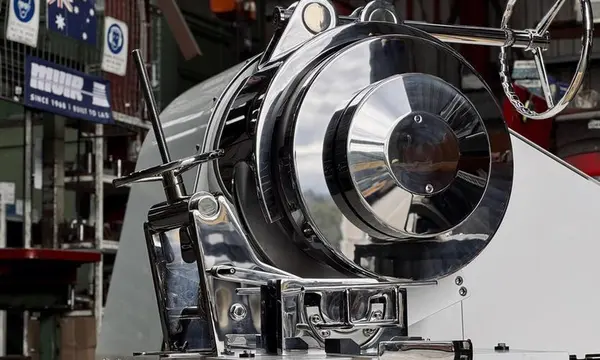
Muir showcases its HR22000 windlass, engineered around tight superyacht foredeck installation spaces to protect safe anchoring and essential maintenance access.
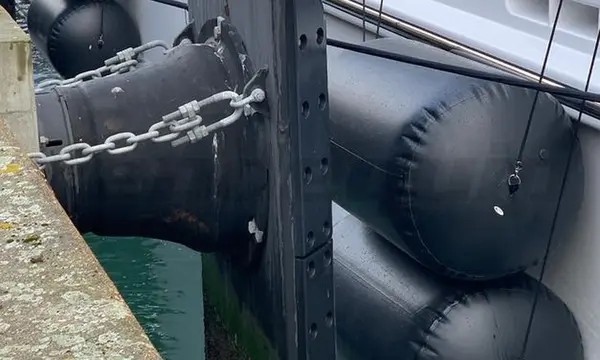
Fendequip showcases UK-made maxiStow inflatable superyacht fenders at METSTRADE 2026, focusing on hull protection, stowage and crew deployment.
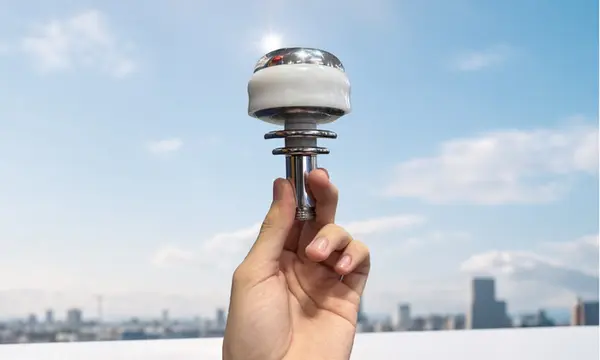
Technical Marine Supplies introduces SERTEC CMCE Micro at METSTRADE 2026, a passive capacitive device marketed for marine static-charge management.
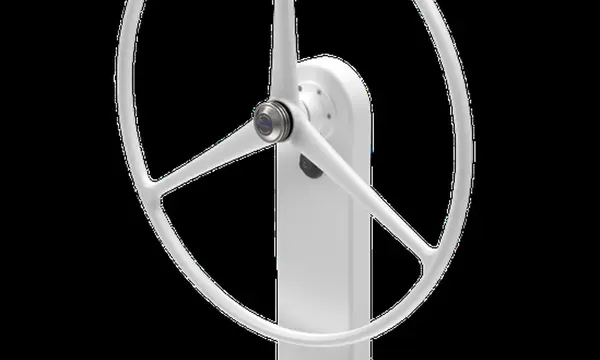
Jefa launches its WP950 bulkhead-mounted multihull steering pedestal with movable helm positions and support for mechanical or wire steering arrangements.
Superyacht Guide
Continue into the wider Superyacht Guide.
Business opportunities · Superyacht Guide
Companies serving the superyacht market can discuss clearly identified advertising, sponsorship and business-profile opportunities. Commercial activity remains separate from independent editorial coverage.