Naiad Says Active Motion Interceptors Cut Fuel Use 5% on 54m Vessel
By Stephen Yardley · Edited by Stephen Yardley
Image: Naiad Dynamics
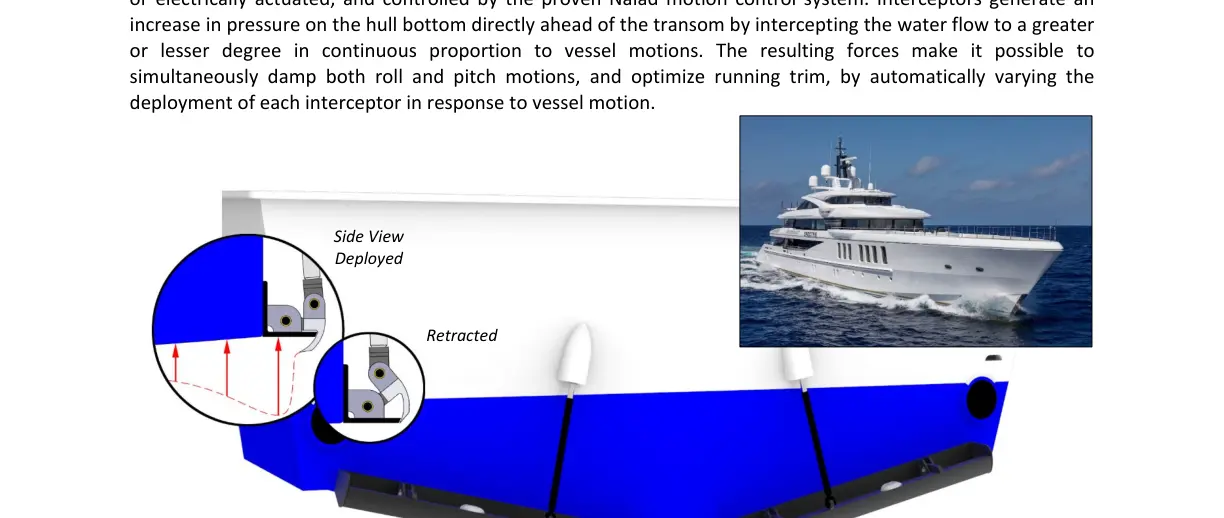
Naiad Dynamics says its Active Motion Interceptor system achieved 5% fuel savings on a 54m, 32-knot vessel while reducing pitch, roll and optimising trim.
Naiad Dynamics has published 2026 performance data for its Active Motion Interceptor system, including a 54-metre, 32-knot monohull application that the company says achieved a five per cent fuel saving while reducing pitch and roll and continuously optimising running trim. The example is a crew-supply vessel rather than a superyacht, so the result should be treated as evidence of the technology's potential rather than a guaranteed yacht fuel saving.
The system is intended for high-speed vessels from about 10 to more than 100 metres and operating between roughly 20 and 60 knots. Instead of using large trim tabs or fins for the primary control force, transom-mounted blades extend only a short distance into the flow and are moved continuously by Naiad's control system in response to vessel motion.
By extending a blade into the water leaving the hull, the interceptor increases pressure on the bottom immediately ahead of the transom. Modulating the port and starboard blades independently allows the control system to influence pitch, roll, static heel and running trim without requiring the larger movement or appendage area associated with conventional trim tabs.
Naiad says the short blade travel makes the mechanism compact and reduces exposure to grounding or floating debris. The actuators can be hydraulic or electric, while the control system continuously adjusts blade position rather than relying on a fixed trim setting selected for only one speed and loading condition.
The company's 2026 technical flyer reports full-scale trials documenting a 70 per cent reduction in pitch angle and a 57 per cent reduction in roll angle. Those figures describe tested applications rather than a universal result, because hull form, speed, sea state, displacement and interceptor sizing all influence how much control authority is available.
For a high-speed yacht or support vessel, reducing pitch and roll can improve comfort and also help the hull remain closer to its intended running attitude. That second effect is important because a vessel operating with excessive bow-up or bow-down trim can carry additional hydrodynamic resistance even when the engines and propulsors are performing normally.
Naiad lists a 54-metre, 32-knot monohull crew-supply vessel as an application where the system optimised trim, reduced pitch and roll and achieved a five per cent fuel saving. The company also cites installations on a 72-metre fast catamaran and a 115-metre high-speed naval monohull, demonstrating that the technology has been applied across very different hull forms.
The fuel result is plausible because reducing unnecessary trim drag can lower the power required to maintain a given speed. It should not be transferred directly to a superyacht budget, however, without sea-trial data from that yacht, since the saving will depend on how inefficient the original running attitude was and how much time the vessel spends at speeds where the interceptors can optimise it.
Stabilisation equipment has traditionally been discussed mainly in terms of comfort, but active ride-control systems increasingly overlap with performance and energy management. If the same control surface can reduce motion while also keeping the hull at a lower-resistance trim angle, the value extends beyond guest comfort into fuel use and potentially propulsion loading.
For superyacht designers, the Naiad data is therefore most useful as a prompt for vessel-specific analysis. High-speed yachts, chase boats and support vessels that already require active ride control may be able to evaluate motion reduction and fuel economy together rather than treating stabilisation as an unavoidable auxiliary load with no effect on the efficiency of the hull itself.
Explore
Go deeper into the yachts, companies, events and destinations directly connected to this article.
Continue reading

U-Boat Worx has completed Curaçao sea trials of its Super Sub and confirmed first-client delivery, with a 300m operating depth and nine-knot top speed.
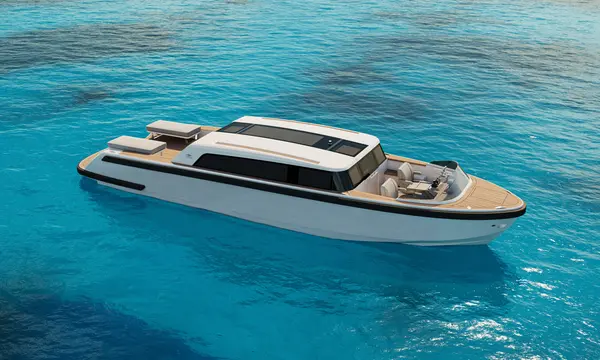
Castoldi’s new 10.5m JT34 Limo combines twin waterjet propulsion, an enclosed air-conditioned cabin and seating for 12 guests plus two crew.
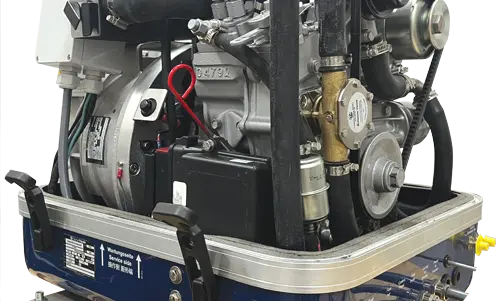
Fischer Panda has introduced the compact 5.5e inverter generator, rated at 5.5kW and designed for quiet variable-load marine electrical supply.
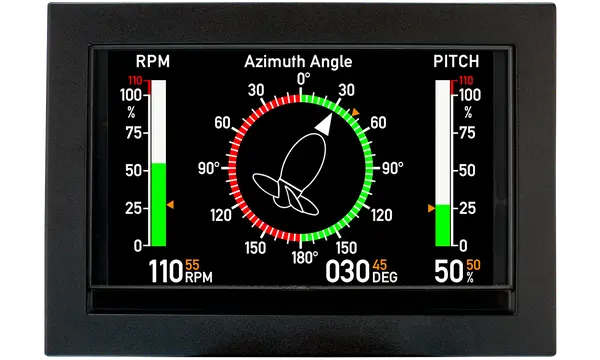
DEIF has previewed its next-generation XDi II digital bridge instrumentation alongside new wind and rudder-sensing hardware at SMM 2026.
Superyacht Guide
Continue into the wider Superyacht Guide.