Aon Italia Warns Yacht Owners to Review Crew and Shipyard Insurance Exposure
Aon Italia's Paolo Mascino identifies crew liability and shipyard insurance as critical issues for superyacht owners, covering P&I and refit risk allocation.
© ICOMIA / Pantaenius. Official first-party photograph issued with the 2026 sustaining-membership announcement.
ICOMIA confirms Pantaenius Yacht Insurance Agency as a new sustaining member, creating an industry forum link for yacht hull, liability, charter, crew and construction risks.
Pantaenius Yacht Insurance Agency has joined the International Council of Marine Industry Associations as a sustaining member, according to an announcement issued by ICOMIA on 11 September 2026. The development brings an established yacht insurance specialist into a global network concerned with regulation, safety, technical standards and the commercial health of recreational boating. For superyacht owners and operators, insurance is not simply a document needed at renewal time. Cover decisions can affect cruising plans, charter operations, shipyard contracts, crew arrangements and the response to an incident. Membership does not alter any individual policy automatically, but it creates another route for industry dialogue.
ICOMIA describes Pantaenius as a family-owned business with more than fifty years of specialist experience and an international client base exceeding 110,000 yacht owners. Those are figures reported in the association's release rather than a claim about the number of superyachts specifically insured. The announcement identifies the insurer's areas of work, including hull and liability cover, protection-and-indemnity risks, charter cancellation, crew welfare, and insurance connected with new construction or significant refit. It does not disclose the financial terms of sustaining membership or a new product launch. That distinction keeps the news focused on industry participation rather than imagined policy changes.
A yacht combines a valuable physical vessel with operations that involve people, equipment, changing locations and sometimes commercial use. Insurance decisions therefore depend on more than replacement value. The owner's intended cruising area, registration, vessel condition, crew arrangements and activity profile can all be relevant when terms are negotiated. A superyacht manager may also have to consider charter liabilities, tenders and equipment carried aboard. These issues differ across individual policies and jurisdictions. No general announcement can establish cover for a particular risk, and owners should not infer policy rights from a company's association membership.
Hull insurance is one of the major areas identified by ICOMIA. For larger yachts, a physical loss can involve specialist engineering, expensive logistics and limited yard capacity. Damage that appears localised may affect machinery, structural elements or systems hidden behind finished interiors. The cost of survey, transport and repair can differ substantially from the visible damage alone. Owners should understand how their policy defines insured values, deductibles, exclusions and the choice of repair facility. A company's experience may help manage a claim, but the contract remains the controlling document. Association membership does not replace the need for careful individual policy review.
ICOMIA lists liability insurance and P&I among the products associated with Pantaenius. These terms concern different exposures from physical damage to the yacht itself. A large vessel may encounter claims arising from operations, third-party injury, pollution or other incidents, depending on the exact cover purchased. P&I arrangements can be especially important where employment, passengers and legal obligations interact. Captains and managers should make certain they understand the scope and limits of each policy rather than assuming a broad word such as 'liability' covers every eventuality. Questions should be settled directly with the insurer or qualified broker before the vessel enters a new operating pattern.
When a yacht is chartered, the use of the vessel, its passengers and contractual obligations can differ from private cruising. ICOMIA identifies charter cancellation among the insurer's areas of expertise, but the announcement does not state what circumstances any particular policy covers. Charter contracts, owner insurance and charterer arrangements need to be considered together. A manager should understand responsibilities if the yacht becomes unavailable, weather disrupts an itinerary or an event affects the start of a booking. The purpose of a specialist adviser is to ensure relevant questions are addressed in advance. It would be unsafe to treat association membership as a substitute for individual underwriting and legal review.
The association's description explicitly includes crew welfare. Large yachts depend on professional crews who may work internationally and face demanding operational schedules. Suitable arrangements can involve medical needs, employment obligations and protection against particular incidents. These matters vary by flag, contract, location and policy. Insurance may form one part of the framework, but training, safe working practices and compliance remain independent responsibilities. Owners should look beyond price to whether services can be accessed when needed and whether the crew understand the relevant procedures. A member organisation can encourage wider discussion about good practice, yet policy terms must still be assessed vessel by vessel.
ICOMIA names pre-delivery and builder's risk insurance as part of Pantaenius' offering. A yacht under construction may be owned, financed and physically controlled under arrangements that differ from those of a delivered vessel. Construction contracts can allocate responsibility for materials, machinery, transport and work carried out by subcontractors. An insurer therefore needs a clear picture of project milestones and the parties' contractual duties. The period before delivery can contain important questions about testing, sea trials and transfer of risk. No single model applies to every project. Owners and shipyards should coordinate their policies with the actual contract and engineering programme.
Major refits can involve structural modifications, machinery replacement and periods when a vessel is out of normal operation. The original insurance arrangement may require notification or adjustment before work begins. A yard's own policies and the owner's hull cover may respond differently to an incident, depending on their wording. Owners should therefore clarify responsibilities for hot works, lifting, testing and subcontractor activity. Pantaenius' reported involvement in builder's risk and major-refit insurance makes these questions relevant to its industry role, but the announcement does not describe a universal refit policy. Contractual details and evidence of cover remain essential.
Yachts routinely move between countries, which can complicate insurance and claims. Different legal systems, port requirements and service facilities may affect how an incident is managed. A broker or insurer with access to international expertise can be valuable, but the actual limits of territorial cover and assistance arrangements must be stated in writing. An owner should not assume that a policy covers every cruising ground simply because the provider serves clients worldwide. The presence of more than 110,000 yacht-owner clients, as reported by ICOMIA, describes scale rather than uniform terms. Each vessel's operating plan remains the basis of appropriate underwriting.
ICOMIA's membership brings together marine industry associations and specialist organisations concerned with regulation, technical issues and sustainability. An insurance specialist can contribute an understanding of claims patterns and operational risks, while shipbuilders and marina operators may bring different experience. Exchanging knowledge could help identify areas where clearer procedures or better documentation would be useful. That is an opportunity, not an announced regulatory change. The association has not reported any new mandatory requirement resulting from this membership. The tangible news is participation in a forum where risk experience may inform wider industry conversations.
An insurance contract can help address the financial consequences of an incident, but it cannot prevent one. Large-yacht operators still need competent bridge teams, effective maintenance, appropriate drills and clear emergency procedures. Owners may find that good records of training and condition make discussions with underwriters more informed. Keeping engineering logs and documenting refit changes can help demonstrate how a yacht is managed. The insurer's membership should therefore be understood within a broader safety environment. Responsible operators use financial protection alongside practical risk reduction, without assuming one can substitute for the other.
An owner's representative may have to coordinate cover across construction, delivery and operation. That role can involve brokers, legal advisers, managers and the shipyard. Confusion can arise if different parties assume another organisation has arranged a particular form of protection. Written responsibilities and renewal calendars can reduce that risk. Changes in value, cruising region or intended commercial use should be evaluated before they take effect. The ICOMIA announcement is a reminder of the specialist nature of yacht insurance, but it provides no reason to change policy without an individual review. The central objective is clarity about actual insured exposures.
A practical discussion might address valuation, navigation limits, tender use, crew responsibilities, liability limits and how repair decisions are made after damage. Owners should also ask about deductibles, exclusions and the documentation required for a claim. If the yacht is undergoing substantial work or entering charter service, the adviser should know before the new activity begins. These are general due-diligence topics, not claims about a specific Pantaenius policy. A membership announcement cannot determine whether another provider or product is better for any particular owner. The decision should be based on independent advice and the written cover offered.
The quality of a claim response can matter as much as the cost of the premium when something goes wrong. A serious incident may require coordination between the captain, owner, insurer, surveyor and salvage or repair specialists. Owners need to understand who should be notified and what actions require approval, particularly when protecting people or limiting further damage. The correct procedure depends on the policy and circumstances. It would be misleading to promise a specific response time from the announcement alone. Nevertheless, the ability to manage complex marine claims is a reasonable topic for buyers to explore with any specialist provider.
Insurance providers may see recurring operational problems across fleets, while builders and technical bodies see the engineering decisions behind vessels. Responsible sharing of non-confidential lessons can help strengthen industry awareness. Examples might include maintenance documentation, safe operations, refit planning and clearer allocation of contractual responsibility. Confidential client information should remain protected, and association activity cannot override data-protection duties. ICOMIA's global role provides a potential setting for practical discussion. The value will depend on useful cooperation over time rather than the membership announcement itself or the marketing reach of the companies involved.
The first-party release confirms Pantaenius Yacht Insurance Agency's sustaining membership, its stated specialist experience and the insurance categories discussed by the association. It does not provide new premium tables, details of individual policies or evidence that membership will directly reduce claim costs. Those outcomes should not be inferred. For the superyacht industry, the membership is relevant because risk, safety and international operations intersect at nearly every stage of a vessel's life. An insurer's participation in a marine association can broaden dialogue, but owners should continue to assess insurance with the same care they apply to navigation, engineering and contractual obligations.
Pantaenius joining ICOMIA is a business and professional-network development rather than a new yacht launch or a change in law. Its significance is the inclusion of an established insurance perspective in discussions involving builders, operators, marinas and industry bodies. For yachts over 24 metres, the subjects are direct: construction risk, hull protection, liability, charter, crew and refit can all affect ownership costs and operational choices. The verified announcement justifies reporting the new membership. The practical results will depend on subsequent collaboration and on owners continuing to secure cover that genuinely matches their vessel, contracts and cruising plans.
Continue reading
Aon Italia's Paolo Mascino identifies crew liability and shipyard insurance as critical issues for superyacht owners, covering P&I and refit risk allocation.

IGY Marinas has outlined a Brown & Brown-backed seminar programme surrounding the 14–17 November 2026 USVI Charter Yacht Show at Yacht Haven Grande, St …

An IYC and SuperYacht Times panel at Monaco Yacht Show 2026 examined how crew rest, staffing, mental wellbeing and working culture affect the guest …
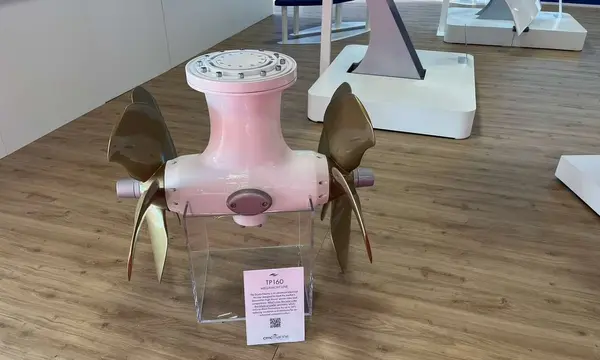
CMC Marine has provided new technical detail on the energy-management architecture behind its electric stabilisers and thrusters, explaining how capacitor storage can reduce abrupt …
Superyacht Guide
Continue into the wider Superyacht Guide.
Business opportunities · Superyacht Guide
Companies serving the superyacht market can discuss clearly identified advertising, sponsorship and business-profile opportunities. Commercial activity remains separate from independent editorial coverage.