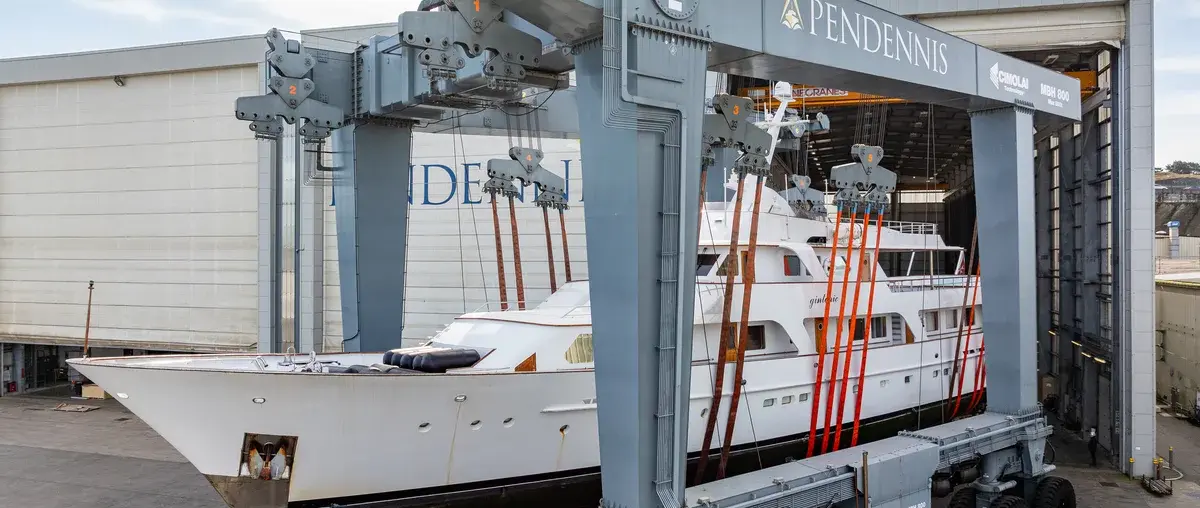
Pendennis Gin-Tonic refit official image 2026
The original 1981 Feadship GIN-TONIC entered an extensive Pendennis refit in 2026. How a four-metre extension, engine change and historic identity are being documented.
The 1981 Feadship motor yacht GIN-TONIC is undergoing a major transformation at Pendennis in Falmouth, with the British shipyard's 2026 correspondence documenting structural changes, machinery replacement and a notably ambitious stern-extension programme. The project is a refit of an existing Dutch-built vessel, not the construction of a new Pendennis yacht. Its distinction matters: the boat's historical builder and year remain Feadship and 1981 even as its capabilities and appearance change. The yard announced the yacht's arrival during spring 2026 and provided a further progress report in June. That sequence offers a useful view of the practical stages between signing a refit contract and the far more demanding process of returning a modified yacht to service.
In its April 2026 company newsletter, Pendennis reported that GIN-TONIC had arrived at its Falmouth facilities for a substantial technical and cosmetic programme. The announcement identified proposed changes to the stern and bridge deck, replacement of two main engines and comprehensive repainting. The shipyard characterised the work as a meaningful reconfiguration rather than a routine period of maintenance. An original official release also identified a sales contact and owner-side representatives, underscoring that the project involved technical oversight from several parties. Those statements establish the scope announced at the beginning, not evidence that every element was already finished at that moment. The difference is particularly important for historical fleet records that might otherwise mistake a proposed extension for a measured, certified new length.
GIN-TONIC's provenance starts in the Netherlands, where Feadship built the yacht in 1981. A subsequent rebuilding yard is frequently prominent in modern photographs and news coverage, but publicity for the latest project should not displace the original construction history. The vessel was described as a 42-metre classic when Pendennis provided its June 2026 progress update. That figure should be read as the project's stated existing size. It does not prove the final measurement after structural modifications. The responsible approach to the profile is therefore to preserve the original builder, retain the launch year, identify Pendennis as the refit contractor and show the extension as a documented work stage. Any future change to her registered length needs a later builder confirmation or equivalent authoritative vessel documentation.
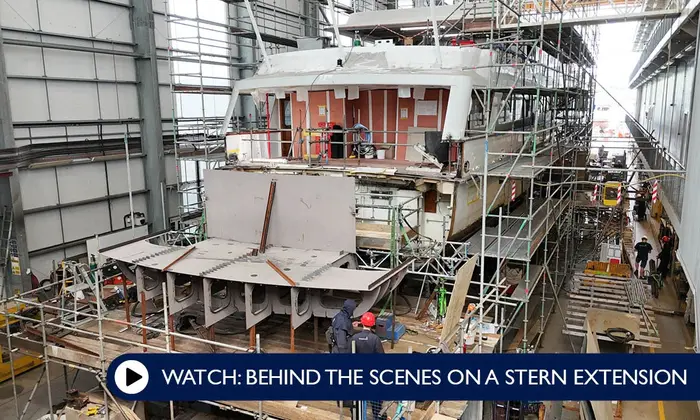
The June 2026 original Pendennis newsletter described a four-metre stern extension taking shape inside the yard's 90-metre build hall. Adding length aft is visually striking, but it is also a consequential engineering decision. New structural sections must work with the existing hull, mechanical installations and intended load distribution. A stern extension can alter access to the water, usable deck space and internal arrangements; it also calls for careful evaluation of how a yacht responds under different operating conditions. Those are general naval-architecture considerations rather than additional completed works claimed by Pendennis. At the time of its June report, the company described construction underway. No document in this reviewed source group establishes a final post-refit measured length or confirms handover following the extension.
Pendennis's June release said that GIN-TONIC's main engines had been removed ahead of a replacement installation. Engine replacement in a heritage yacht is a particularly involved undertaking because machinery spaces, foundations, exhaust routing, ventilation, cooling and surrounding access may have been designed around equipment from a different generation. The shipyard's initial description emphasised improved efficiency, reliability and longer-term performance as objectives of the project. It did not give new engine models or an independently tested fuel-consumption figure in these particular original emails. Consequently, no machinery specification or performance gain should be presented as a finished, measured result. The significant confirmed milestone is physical engine removal, followed by preparations for the installation and integration phase.
The initial 2026 project description included bridge-deck extensions as well as the stern work. That combination suggests an intention to change how the yacht uses space across more than one level. For older vessels, the relationship between superstructure modification, weight aloft and the deck below is central to sound project planning. New enclosed or open areas need interfaces with existing steelwork, drainage, electrical networks and watertight or weathertight boundaries. Owners may reasonably be interested in better outdoor living, but specific amenities should not be invented from a broad statement about improved guest space. The verified material describes the planned extension work without supporting a definitive room-by-room account of the finished arrangement. Editorially, that restraint prevents a concept from being mistaken for a delivered feature.
The mid-2026 update placed the yacht inside one of Pendennis's construction halls in Falmouth, rather than describing an alongside cosmetic stop. A covered build environment enables workshops and engineering teams to access major areas of a vessel while protecting delicate and weather-sensitive work from the elements. It also provides opportunities for staging large components, carrying out measurements and coordinating simultaneous trades. A yard can have several disciplines working on a yacht, but concurrency has to be managed so that one installation does not obstruct the next. Pendennis's stated hall size demonstrates the infrastructure used for the work; it does not independently establish any particular lifting capacity or final installation date. The source photograph associated with its June email shows the project during this active industrial stage.
Extensive refits force a difficult choice: what makes the yacht historically recognisable, and what must change for the next phase of ownership? On GIN-TONIC, the direct source announcements describe major mechanical and structural interventions alongside a repaint intended to renew the exterior presentation. The original Feadship identity remains a cornerstone even when the propulsion arrangement and aft configuration are being updated. Preserving that distinction is more than a matter of etiquette between shipyards. It allows future readers to understand why the same vessel might appear in older records with different dimensions, layouts or machinery descriptions. A rigorous history records both eras rather than replacing the past with the latest marketing language.
A comprehensive repaint of hull and superstructure was included in the yard's announced plan. On a classic motor yacht, the visual impact is obvious, yet coating work is closely connected with technical preparation, surface condition, access arrangements and environmental control. Exterior finishing usually belongs to a larger sequence that may involve inspections, fairing decisions, masking and protection of nearby installations. The original news does not supply a coating-system brand or a quantified description of corrosion treatment. It would therefore be speculative to ascribe particular processes to this project without another source. What is documented is that Pendennis planned a full aesthetic renewal alongside major engineering changes, placing appearance within a wider effort to extend the yacht's useful service life.
The public project announcement named Giles Bassett as an owner's representative and James Fiske of Tillow Marine as part of the owner-side oversight. Pendennis identified Paul Griffiths as its sales manager when introducing the programme. Those names illustrate a common feature of substantial yacht projects: builders, owners and independent representatives have different responsibilities. It is important to record the affiliations accurately. A representative working with a refit yard is not automatically an employee of that yard, and a person appearing in a dated news release should not be assigned an unverified current role. For CRM purposes, the named participants can be linked as source-dated project relationships while contact information and ongoing appointments are checked independently. No marketing consent can be inferred merely from their appearance in a press release.
Pendennis said in the original programme announcement that the initial phase of work was expected to extend into early 2027. That is a useful planning reference, but an estimated schedule is not a completion certificate. Hull and machinery modifications can involve inspections, commissioning and trials that take place after the most visible construction activity. A future milestone should be described with the words used by the shipyard at the time: anticipated, planned or expected. As of the original June 2026 correspondence assessed here, there is no verified final redelivery date, new machinery-performance report or handover statement. Subsequent published material may eventually change that position; until then, a fleet database should retain a clear in-refit status rather than invent a completed 2027 event.
Following replacement of major machinery and structural modification, commissioning is the stage in which the working yacht must demonstrate that systems operate together as intended. It can involve engine controls, cooling, electrical services, alarms, navigation interfaces and safety arrangements. Trials then provide a different kind of evidence from a workshop progress photograph. None of those specific tests should be marked completed for GIN-TONIC on the basis of a June shipyard progress note. The distinction is an editorial safeguard: work observed in progress and performance demonstrated at sea are two separate records. Owners, insurers and industry professionals need that separation when assessing what a refit has actually achieved.
GIN-TONIC illustrates why sizeable conversion work deserves the same care in yacht databases as a new launch. Changing a classic vessel can create more usable space and a thoroughly refreshed operating platform, yet the project also preserves an inherited set of design and construction decisions. Yard experience, long-term maintainability and accurate historical records matter as much as a dramatic before-and-after photograph. The industry has many examples of yachts whose current appearance bears little resemblance to their initial configuration. If those transformations are filed as separate craft, the historical trail becomes misleading. By linking original notices, dated progress reports and future completion evidence to one Feadship identity, it becomes possible to follow the yacht through time without losing either its origin or its latest chapter.
The audited record supports a precise conclusion: a 1981 Feadship known as GIN-TONIC entered a substantial Pendennis refit in 2026; the announced scope included stern and bridge-deck changes, two replacement main engines and a full paint programme; by June, the four-metre stern extension was taking shape and the engines had been removed. Those details come from direct Pendennis correspondence and the yard's public announcement. The final registered length, new engine specification, completed sea-trial performance and exact redelivery date have not been established by those sources. The original newsletter photograph illustrates work in progress, not a finished newbuild. Maintaining those boundaries gives readers a reliable account of a notable conversion and leaves a coherent record for later updates.
Sources and provenance: Pendennis Shipyard, original direct company newsletters Issue 73 (April 2026, correspondence ID 160) and Issue 75 (June 2026, ID 172); Pendennis official refit announcement. Original MIME records and signed photo-source checksums are retained in the Superyacht Guide management system.
© Pendennis Shipyard — original verified first-party press image
Explore
Go deeper into the yachts, companies, events and destinations directly connected to this article.
Continue reading
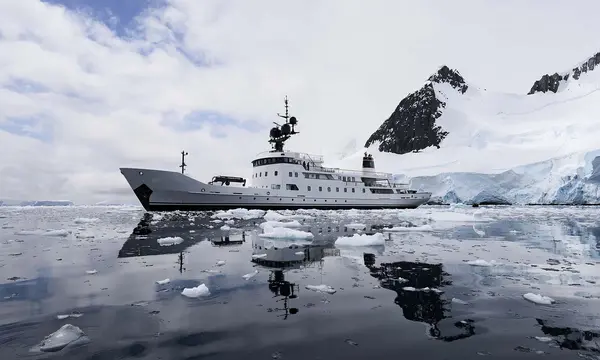
Pendennis details a second major transformation of the 68.8m expedition yacht JESTER, with hybrid propulsion, new machinery and exhaust treatment following her 2023 rebuild.
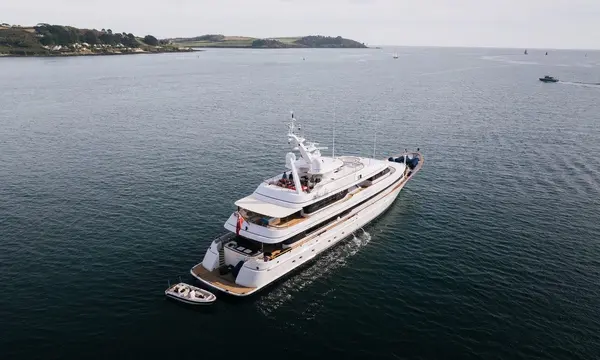
The 57-metre Feadship motor yacht Solace has won Best in Refit at the 2026 International Superyacht Society Design & Leadership Awards, recognising an extensive …
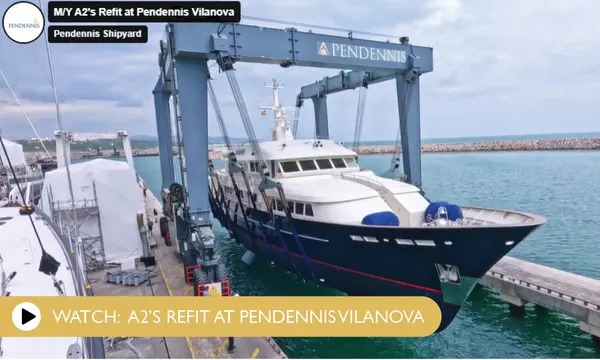
Pendennis Vilanova completed a 2026 refit of the 47m Feadship A2, originally built as CIRCUS II in 1983. Its historic rebuild and correct yacht …
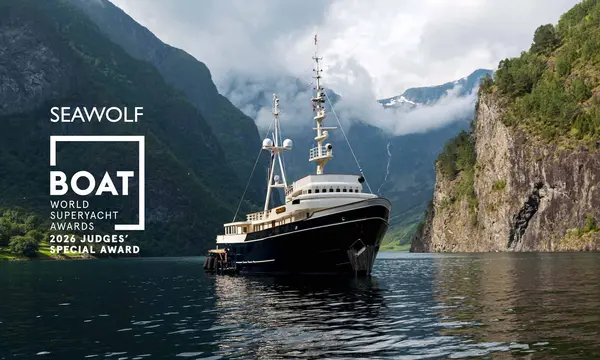
1957 former tug SEAWOLF wins a 2026 World Superyacht Awards rebuild honour after Pendennis hybrid-propulsion, structural and interior transformation.
Superyacht Guide
Continue into the wider Superyacht Guide.
Business opportunities · Superyacht Guide
Companies serving the superyacht market can discuss clearly identified advertising, sponsorship and business-profile opportunities. Commercial activity remains separate from independent editorial coverage.