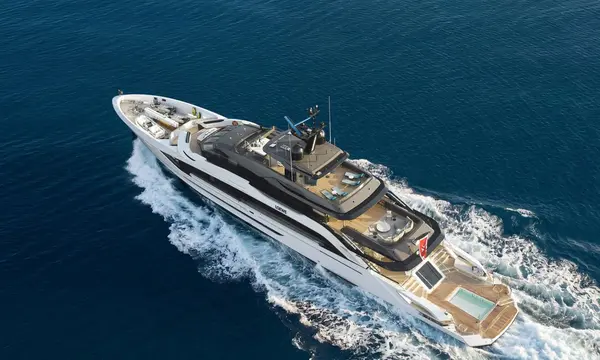
55m Tankoa LOEWE's Transforming Pool Detailed by C&N
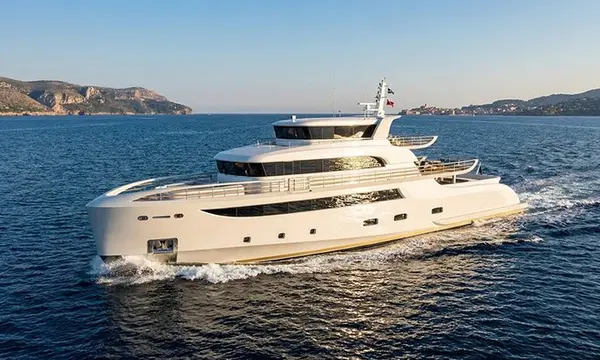
A new Camper & Nicholsons profile details how the 55m Tankoa yacht LOEWE uses a movable-floor pool, DJ deck and integrated sound system for …
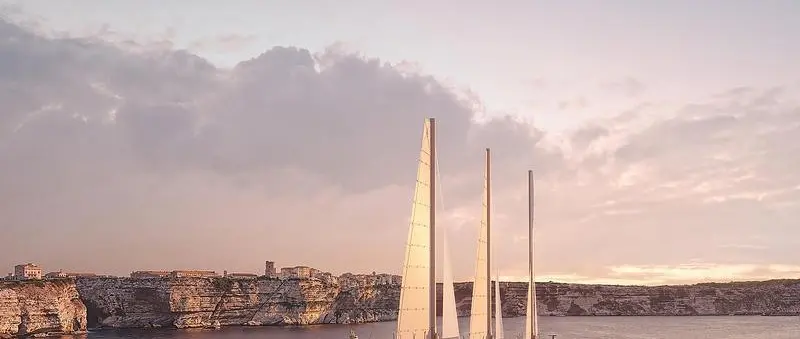
French atelier Pulsatil has disclosed how 471 bespoke light fixtures across more than twenty designs were created for the 220-metre sailing yacht Orient Express Corinthian.
French lighting atelier Pulsatil has detailed its work aboard Orient Express Corinthian, the 220-metre sailing vessel launched into service earlier in 2026. The company says it produced 471 bespoke luminaires across more than twenty designs for the yacht, in close collaboration with architect and artistic director Maxime d'Angeac. Its account, released on 19 October, offers a closer look at the craftsmanship behind a large-scale hospitality vessel.
The report is a new supplier disclosure rather than a fresh launch announcement. Orient Express Corinthian was named at Saint-Nazaire on 29 April 2026 and has already undertaken her inaugural Mediterranean season. The updated information concerns how thousands of design and engineering decisions were translated into decorative and practical lighting for guests.
Corinthian's interiors refer to the Art Deco era and the identity of the legendary Orient Express train, but the brief was not simply to reproduce historic carriage lamps. Pulsatil says some pieces interpret the familiar visual language in a modern form, while others were developed directly from d'Angeac's drawings to suit particular spaces.
The ambition is continuity between lounges, private suites and corridors without making every light fixture identical. A statement fitting for a guest suite may be too intrusive in a circulation area, and a decorative installation in an entertainment lounge must also provide useful illumination. The published collection combines wall-mounted pieces, concealed light sources and decorative objects to address these different needs.
According to the atelier, the 471 pieces took more than a year to develop and required coordination between the architect's intent and technical execution. More than twenty designs had to be adapted to room proportions, finishes and the conditions expected on a sailing vessel. This sort of production programme involves detailed engineering even where the finished piece appears visually simple.
Fixtures used aboard a ship experience motion and vibration, and the installation must preserve safe electrical connections and adequate access for maintenance. Pulsatil states that its luminaires were developed for the maritime environment, but the release does not provide product-by-product approval certificates or independently measured performance figures. Those records form part of the technical documentation an owner or operator should hold.
The interiors bring together fine wood veneers, leather, marble and polished metal, with lighting intended to reveal their surface qualities rather than compete with them. Pulsatil describes soft layers of light that help guests notice grain, texture and the shape of nearby architectural details. The design responds to natural daylight and the different moods expected through a long day at sea.
The combination of reflected and direct light also affects practical comfort. In a lounge, a guest needs enough illumination to read a menu or converse without harsh glare; in a hallway, gentle guidance is important when moving through unfamiliar spaces. Designers therefore balance visual warmth against accessibility and useful lighting levels, not merely the appearance of photographs taken after installation.
The Orient Express Suite lamp is one distinctive piece within the programme. Pulsatil describes a domed, vertically segmented shade that produces a diffused glow above a polished base, linking the historic reference to the private guest accommodation. The design was intended to feel like an individual furnishing rather than a purely functional ceiling fitting.
In a luxury guest suite, different lighting modes support reading, dressing, conversation and rest. Carefully located lamps can allow one guest to use the room without illuminating the whole space, while concealed lighting may create a softer transition after dark. The atelier's stated approach is to combine those practical tasks with a coherent architectural character.
Pulsatil's commission sits within a much larger French decorative programme coordinated by Orient Express and d'Angeac. The media release refers to almost 2,000 artisans involved in the wider interior work, covering materials and trades well beyond lighting. The number demonstrates the project's overall scale, not the number of people employed by Pulsatil itself.
The lighting atelier was founded by engineer Maxence Paris and operates from the Lyon area, producing custom-designed fixtures from initial drawings through manufacture and installation. This combination of engineering and traditional fabrication is important for a bespoke maritime project because the final material must work as intended, not merely match a concept drawing.
Corinthian carries the Orient Express brand into a large sailing hospitality format. The 220-metre vessel combines an unusually extensive interior with a sailing system and hotel-style guest facilities. The lighting scheme is therefore required to support the experience of travellers who may use the same spaces for daytime exploration, meals, private relaxation and evening events.
Maritime hospitality interiors also face a different service pattern from a private family yacht. Lamps can be used frequently by many guests, and replacement parts, cleaning procedures and the resilience of finishes influence long-term operating costs. The official update describes the design vision but does not specify full lifecycle maintenance arrangements or commercial pricing for the collection.
The 19 October Pulsatil press kit documents the 471 luminaires and the collaboration with d'Angeac. The Chantiers de l'Atlantique statement establishes the ship's 220-metre length and April naming ceremony, helping distinguish the latest design disclosure from earlier vessel milestones.
For interior designers working on new superyachts, the lesson is how technical integration and decorative craftsmanship develop together. Fixtures conceived as part of the architecture may create a more coherent result than components chosen after a room is complete, but that approach requires decisions to be coordinated early across many trades.
The published details also underline a growing expectation among wealthy passengers and yacht owners: the experience of a room depends on tactile materials, lighting, proportion and atmosphere as much as it does on the number of facilities it contains. Pulsatil's contribution shows how those less obvious elements can become a significant standalone commission on a major vessel.
Continue reading
A new Camper & Nicholsons profile details how the 55m Tankoa yacht LOEWE uses a movable-floor pool, DJ deck and integrated sound system for …
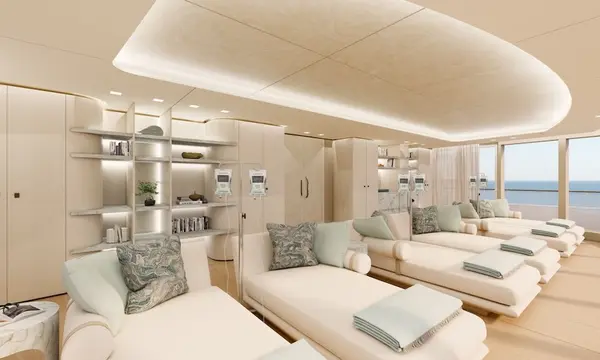
KRD Studio’s 76-metre Amaris concept brings longevity principles into the general arrangement of a large yacht rather than limiting wellbeing to a separate spa.
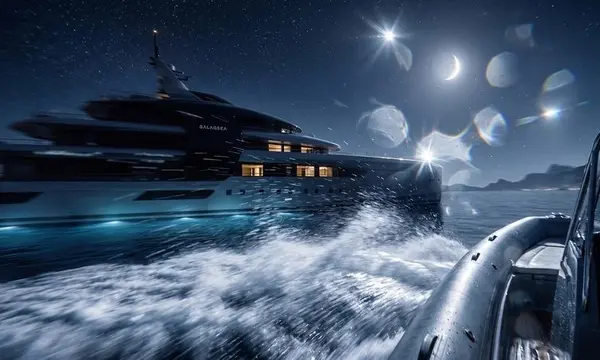
Sturge & Toth’s 95m Galaqsea design uses a glass-belt atrium and vertical light beam with engineering input from Lateral Naval Architects; no build contract …
ER Yacht Design has revealed a 46.6-metre, five-deck explorer concept shaped around a private owners deck and a softer profile, with a target volume …
Superyacht Guide
Continue into the wider Superyacht Guide.
Business opportunities · Superyacht Guide
Companies serving the superyacht market can discuss clearly identified advertising, sponsorship and business-profile opportunities. Commercial activity remains separate from independent editorial coverage.