Image: Raymarine
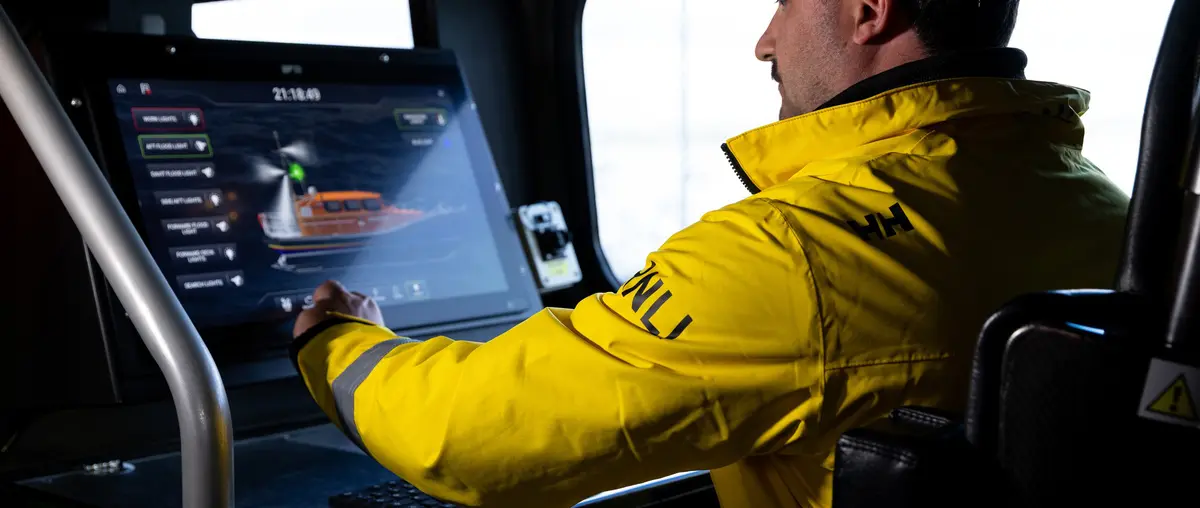
Raymarine and FLIR Marine will provide navigation, ship-control and thermal-imaging systems across the RNLI fleet under a five-year partnership.
Teledyne Raymarine and Teledyne FLIR Marine have entered a five-year partnership with the Royal National Lifeboat Institution to modernise navigation, control and thermal-imaging systems across the charity’s fleet. The programme is designed around operational feedback from volunteer crews, giving the technology suppliers direct insight into what lifeboat teams need during high-pressure rescue work.
The partnership covers more than a single equipment purchase because Raymarine and FLIR will also provide ongoing technical support, training and participation in safety initiatives. That longer relationship is important for any fleet operator because electronics only deliver their intended benefit when crews understand them and the support structure remains available throughout the equipment’s service life.
Raymarine says the planned installations will include Axiom-based electronic chart systems, Quantum radar and YachtSense digital ship-control technology. Bringing navigation and ship-control functions into an integrated environment can simplify the operator’s workload, particularly on rescue vessels where crews may need to make decisions quickly in poor visibility or demanding sea conditions.
The systems were selected after consultation with RNLI volunteers, who contributed practical requirements for the next generation of onboard equipment. That user-led process is relevant to yacht design as well, because bridge technology is most effective when it reflects how captains and watchkeepers actually work rather than being specified only around the newest available hardware.
Where appropriate, FLIR Marine thermal cameras will be added to improve detection of vessels and people in darkness or restricted visibility. Thermal imaging can reveal heat signatures that conventional visible-light cameras miss, giving search crews another source of information when radar returns are weak or a person in the water is difficult to see.
For superyachts, the same capability is increasingly used for security, navigation support and person-overboard awareness, although rescue vessels place different demands on equipment and operators. The RNLI deployment is therefore a useful example of professional marine electronics being judged by reliability and mission effectiveness rather than by appearance or convenience alone.
The Shannon all-weather lifeboat and Atlantic 85 inshore lifeboat are among the first vessels scheduled to receive the updated systems, with the E Class used on the River Thames also included early in the programme. Starting with defined classes allows the organisations to standardise installation, training and maintenance before extending the technology more widely.
Fleet standardisation can reduce support complexity because technicians, spare parts and crew training can be organised around a smaller number of approved configurations. Large yacht-management groups face a similar challenge when several vessels use different generations of navigation or monitoring hardware, so the RNLI approach illustrates the operational value of planned fleet technology strategy.
Raymarine describes the project as part of the RNLI’s effort to keep its fleet future-fit as coastal demands and operating requirements change. Rescue craft work in conditions that private yachts normally avoid, which makes successful adoption a demanding test of interfaces, hardware durability and the quality of technical support behind the products.
The programme also shows how navigation, radar, thermal imaging and digital ship control are converging into connected operating environments rather than remaining isolated systems. For superyacht bridges, the lesson is not that rescue technology should be copied directly, but that integration should reduce workload, improve situational awareness and remain understandable when the crew is under pressure.
Explore
Go deeper into the yachts, companies, events and destinations directly connected to this article.
Continue reading
Teledyne has promoted Michelle Hildyard to General Manager of Raymarine and FLIR Marine, aligning strategy, product development and commercial execution.
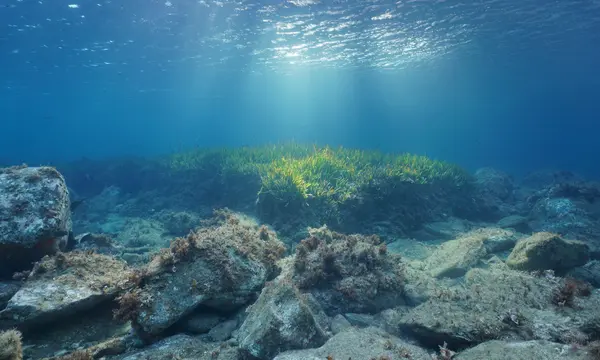
Raymarine has integrated more than 45,000 marine protected areas into LightHouse Charts to support route planning around sensitive and regulated waters.
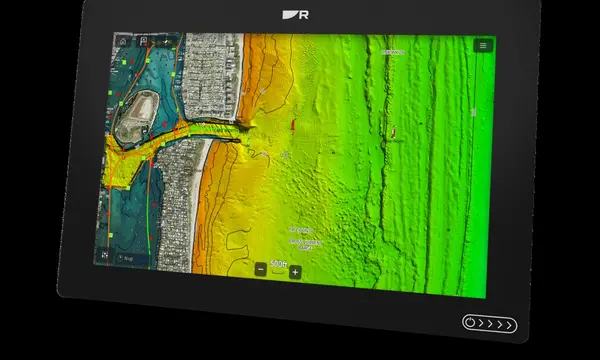
Raymarine Axiom 2 now supports CMOR NEX GEN charts with high-resolution bathymetry, navigation data, satellite imagery and route-planning information.

BWA Yachting has opened agencies in Panama City and Cartagena, extending its superyacht support network between the Caribbean, Latin America and the Pacific.
Superyacht Guide
Continue into the wider Superyacht Guide.
Business opportunities · Superyacht Guide
Companies serving the superyacht market can discuss clearly identified advertising, sponsorship and business-profile opportunities. Commercial activity remains separate from independent editorial coverage.