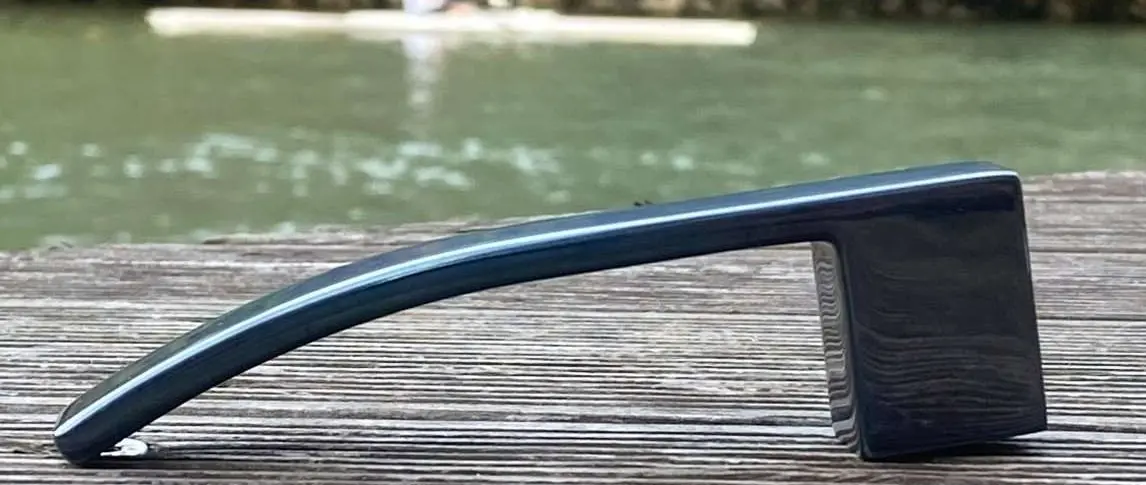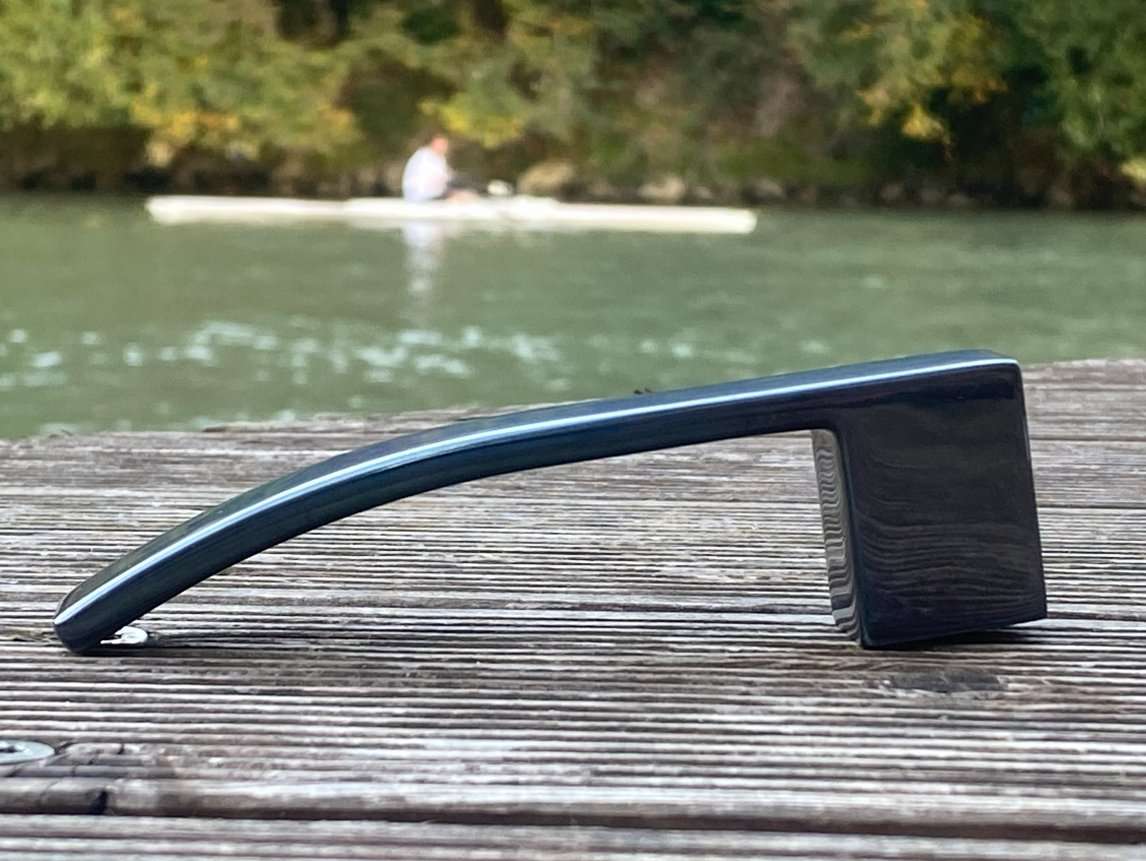
Razeto & Casareto HNCF nanoceramic yacht door hardware, official METSTRADE 2026 product photograph

News

Razeto & Casareto Introduces Nanoceramic Marine Handles for Superyacht Interiors at METSTRADE

Nov. 13, 2026 Technology

Razeto & Casareto HNCF nanoceramic yacht door hardware, official METSTRADE 2026 product photograph

F.lli Razeto & Casareto introduces aluminium and stainless-steel marine handles with HNCF nanoceramic coatings and an Oxyd Matt finish at METSTRADE.

An established Italian supplier introduces a new surface technology F.lli Razeto & Casareto, the Italian specialist in yacht door hardware and opening systems, has announced a new generation of aluminium and stainless-steel handles incorporating HNCF nanoceramic treatment. The products are scheduled for presentation at METSTRADE 2026 in Amsterdam from 17 to 19 November. The 12 November announcement focuses on the coating rather than a change in the underlying function of a handle: the company wants to improve the wear resistance, surface feel and durability of components handled repeatedly in demanding marine conditions. Although a door handle is a comparatively small part of a superyacht, details of this kind can have a considerable influence on the perceived quality of a guest interior and the ease with which crew maintain it.

HNCF modifies the working surface The manufacturer's technology is named HNCF, short for Hard Nano-Ceramic Finishing. Razeto & Casareto describes deposition and surface-conversion processes that can create multilayer coatings tailored to different metal alloys. The intended results include greater hardness, abrasion resistance, reduced surface friction and resistance to corrosion. These are material properties, not a promise that every finished handle will resist any form of damage. The actual outcome depends on the base metal, surface preparation, coating thickness and the way an individual component is used. For yacht designers and builders, the important question is how the treatment performs when installed in a real opening system, rather than whether the coating sounds advanced in isolation.

Two base metals with different characteristics The new handles use aerospace-grade aluminium alloy and stainless steel, according to the company. Both materials are familiar in marine design but have different strengths, weights, finishing options and corrosion considerations. Aluminium can provide a relatively lightweight component and lends itself to certain fabrication techniques, while stainless steel is chosen for its strength and appearance in many high-use fittings. Neither material is immune to corrosion under all circumstances. A coating may improve surface protection, but its effectiveness will depend on the environment and the treatment applied. An engineer should also consider the fasteners and other metals that touch the handle, particularly where moisture and salt can become trapped.

Why frequent handling is a demanding duty cycle A door handle may be used many times each day by owners, guests and crew. Doors in cabins, bathrooms, corridors and service areas operate under different conditions, and users may have varying strength and mobility. The contact surface experiences repeated friction, natural skin oils, cleaning products and occasional impacts. On a yacht, that pattern is combined with humidity, changing temperature and sometimes salty air. A hard coating that maintains its appearance over time could reduce the frequency with which fittings need to be refinished or replaced. However, the announcement does not include a comparative wear test or measured product lifespan, so an editorial report cannot quantify any saving in servicing or replacement costs.

The Oxyd Matt finish adds a tactile dimension Razeto & Casareto is also introducing an Oxyd Matt finish, which the company describes as combining a matt appearance with a Velvet Like sensation to the touch. The design aim is to pair the resistance of a ceramic surface with a finish that does not feel harsh or cold. This is an interesting contrast, because hard coatings are often evaluated mainly through technical measures while a handle is experienced directly by the hand. On a yacht, a guest may notice the sensation of opening a door long before learning anything about the materials used. Whether a particular owner prefers a matt or polished finish remains subjective, and photographs cannot establish the tactile quality of a real product.

Temperature comfort needs realistic interpretation The manufacturer states that certain nanoceramic formulations can reduce contact heat transfer, potentially making a handle more comfortable to touch when it has been exposed to unusually high or low temperatures. The company points to uses in wellness spaces, saunas and cold rooms as well as conventional cabins. The distinction between the technology and an individual product is important: not every coating will necessarily provide the same thermal effect. The company has not published a standardised measurement of surface temperature or contact heat transfer for each new handle. Designers specifying hardware near a sauna or heated surface should therefore seek verified temperature limits and installation instructions rather than assume that the treatment makes a hot metal component safe to grasp.

The marine environment tests multiple properties Salt, humidity and changing temperatures can accelerate surface deterioration and create problems where two different metals are in contact. Razeto & Casareto suggests that the insulating characteristics of some nanoceramic coatings may help limit galvanic corrosion at such interfaces. That is technically relevant but should not be overgeneralised. Galvanic corrosion involves the complete electrical and environmental relationship between dissimilar metals, and protection can also depend on fastener selection, drainage, coatings and the details of an installation. A coated handle is not a substitute for careful materials engineering. Owners can reasonably ask how the surface treatment behaves after abrasion, whether damage can be repaired locally and what maintenance is required around its fixing points.

Low friction could interest manufacturers of locks The company also discusses the possibility of using coatings with low coefficients of friction in components exposed to repeated mechanical movement, including parts within locks and locking systems. That idea extends the technology beyond decorative hardware into the mechanisms responsible for opening and securing doors. The announcement describes this as an area of future development, not as confirmation that a new fully nanoceramic lock has already entered production. Lock performance depends on design, tolerances, lubrication, load and the surrounding door assembly. If surface treatments are introduced into moving components, those components will still require appropriate endurance testing. Buyers should distinguish products being unveiled at METSTRADE from research directions that may become commercial offerings later.

Cleaning and hygiene require careful language A further aspect of the company's research concerns low-porosity surfaces that may be easier to clean and less prone to retaining contaminants. Razeto & Casareto notes that certain formulations could be developed to inhibit microbial growth or meet requirements for contact with food. These statements should not be read as proof that the newly announced yacht handles have been independently certified as antimicrobial, sterilising or food-safe. Those are distinct claims that require appropriate testing of a specific product. Yacht operators should continue normal cleaning procedures and use products suitable for the finish. A surface designed to clean more readily may be helpful to housekeeping staff without eliminating the need for established hygiene practices.

Luxury interiors demand visual consistency Hardware is often selected to support a wider palette of wood, stone, fabric and metal finishes. A superyacht interior may contain many doors and storage compartments, and even small differences in sheen or colour can become noticeable when the fittings are repeated throughout the vessel. A matt nanoceramic finish may offer designers another option for achieving visual consistency while considering daily wear. Before specifying it across an entire yacht, a studio should request physical samples and examine them under the actual lighting and beside the surrounding materials. Photographs and digital renderings may not reproduce the precise appearance of the coating. A sample also lets the owner evaluate how the handle feels during ordinary use.

The full door assembly matters more than the handle alone A door handle functions as part of an opening system that includes hinges, latches, locks, gaskets, frames and sometimes automated or fire-rated components. Selecting a new finish does not determine whether the completed assembly meets every applicable requirement. On large yachts, some doors may be subject to safety or fire-resistance standards that require approved components and documented performance. Other doors are primarily decorative, but still need dependable operation in a moving vessel. A yard should check whether the new handle is offered for particular systems and what approvals or tests support its use. No new general certification of yacht doors is established by the November material announcement alone.

Designers must also consider human factors A handle can appear impressive while being uncomfortable to operate, particularly for users with reduced grip strength or wet hands. The shape, friction, reach and resistance of the mechanism all influence accessibility. A new coating might affect the sense of grip, but a softer tactile impression is not automatically evidence of better ergonomics. A suitable selection should be tested with the actual door and latch hardware, especially on frequently used guest routes and crew service passages. On a superyacht operating in rough conditions, a fitting also needs to work when the vessel is moving and occupants may be maintaining balance. Good design combines the desired appearance with reliable everyday function.

A century of production gives the announcement context F.lli Razeto & Casareto traces its history to 1920, working in marine hardware and opening systems over several generations of yacht design. The new treatment fits within a continuing effort to adapt traditional metal components to changing expectations of comfort and longevity. Manufacturing experience is relevant, but age alone does not prove that an individual new product performs as claimed. The nanoceramic introduction should ultimately be judged by the documentation and real use of the handles. Manufacturers often draw on established component ranges when introducing a new surface finish; designers should verify which shapes, dimensions and fixing interfaces are available in the first commercial offering.

METSTRADE allows direct inspection of the finish The new hardware is scheduled to appear at RAI Amsterdam during METSTRADE, with the manufacturer listed at Stand 12.101. That gives shipyard engineers, designers and interior specialists an opportunity to compare the treated components with conventional finishes. A useful meeting could involve examining physical samples, reviewing coating specifications and discussing the effect of detergents, salt exposure and repeated handling. The show also provides a chance to ask whether damaged surfaces can be restored and how the manufacturer intends to supply matching components years after a yacht is delivered. The event has not yet taken place at the time of this report, so no first-hand demonstration results are claimed.

Testing data will determine the long-term value For owners and shipyards, the most meaningful evidence will be comparative data showing how the finished components respond to abrasion, corrosion and repeated operation. Test conditions should be specified clearly, including the base alloy and the surface preparation. Coatings can look impressive when newly applied but may behave differently after wear at edges or around fasteners. An owner making a substantial interior investment may want assurance that replacements will match the original finish and that cleaning methods will not damage it. The announcement sets out promising functional goals but does not provide the complete test report for the new range. Technical procurement should therefore proceed on the basis of verified product specifications.

A small component with a wider significance The Razeto & Casareto introduction illustrates a trend in superyacht interiors towards treating frequently handled components as engineered products as well as design objects. Its potential benefits are durability, corrosion resistance and tactile comfort, while future developments may extend the same surface technology to moving lock parts. The current news is a defined manufacturer launch for METSTRADE 2026, not evidence of an already certified hygienic system or a quantified reduction in maintenance costs. For designers and owners, the practical next step is to inspect samples, understand the applicable material tests and determine whether the finish suits a particular vessel. Details that seem minor in isolation often shape the experience of living aboard over many years.

**Reporting basis:** F.lli Razeto & Casareto official statement published through PressMare on 12 November 2026. The accompanying manufacturer press image depicts the announced product range; technical benefits are attributed claims requiring product-specific verification.

Primary source: F.lli Razeto & Casareto official HNCF marine-hardware press release, PressMare, 12 November 2026.

Photo: F.lli Razeto & Casareto company image distributed with its 12 November 2026 press statement, showing its nanoceramic handles. Official source image.

Photo licence and source

Photo: F.lli Razeto & Casareto company image distributed with its 12 November 2026 press statement, showing its nanoceramic handles.

Continue reading

All news

Superyacht Guide

Explore the superyacht world

Continue into the wider Superyacht Guide.

Business opportunities · Superyacht Guide

Reach the superyacht industry audience

Companies serving the superyacht market can discuss clearly identified advertising, sponsorship and business-profile opportunities. Commercial activity remains separate from independent editorial coverage.