Rigging Projects Creates Palma Service Hub with Marine Results for Superyachts
By Superyacht Guide Newsroom · Edited by Superyacht Guide Newsroom
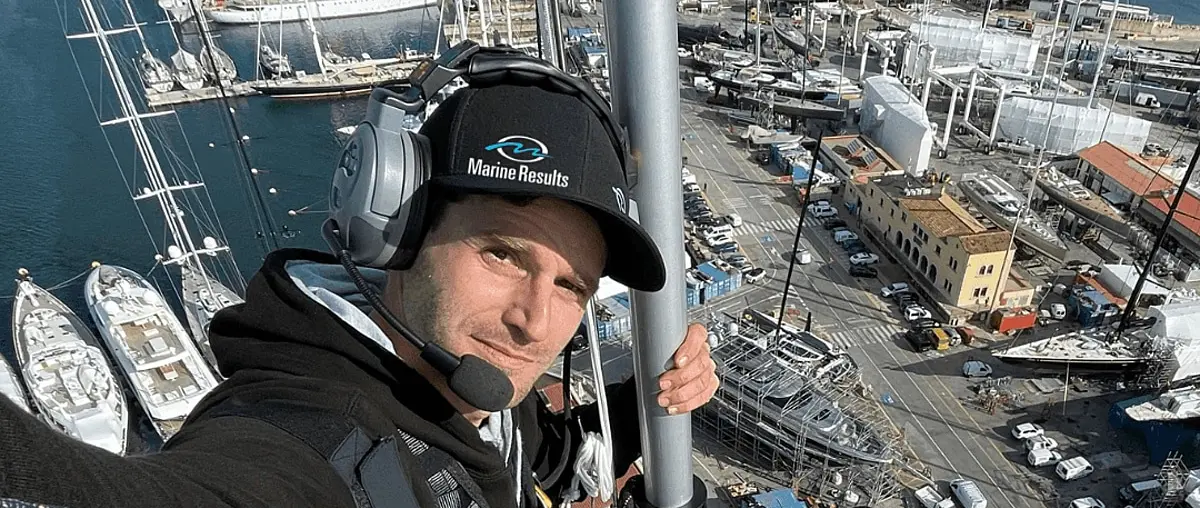
Rigging Projects Palma Service Hub official company photograph 2026 — SYG batch10
Rigging Projects and Marine Results have created a Palma de Mallorca service arrangement supplying yacht rigging components, winter refit support and supervised maintenance.
Rigging Projects has announced a new Palma de Mallorca Service Hub with Marine Results, giving sailing-yacht owners and managers a local route to obtain selected rigging hardware, spare parts and supervised technical service during the Mediterranean refit season. The agreement was described by Rigging Projects in a first-party statement dated 23 November 2026. Marine Results has become an approved service partner, while Rigging Projects retains responsibility for its product design, engineering and sales. The hub is a partnership built around an established local service provider, not the opening of a newly constructed factory.
Palma is a regular base for large sailing yachts undertaking maintenance before another cruising season. For a vessel depending on highly loaded sail-handling systems, finding a compatible replacement part and technicians familiar with its installation can matter more than general convenience. The new arrangement aims to provide access to stock and work on board without requiring every issue to be handled remotely. The announcement is specific about the businesses involved and the categories of equipment covered, but does not guarantee identical response times for every yacht.
The published release identifies Marine Results as the approved Palma service partner for Rigging Projects. The distinction between an approved service provider and the manufacturer is important. Marine Results can supply and service equipment under the arrangement, while the original company continues to control product design and technical decisions. Owners should know which organisation is responsible for an order, an overhaul and any engineering approval.
Such a division is familiar in complex marine systems. A local team may have the ability to inspect or replace components, yet the original manufacturer holds detailed knowledge of loads, materials and design tolerances. When those parties communicate effectively, the owner can receive practical service without losing access to specialist expertise. The formal arrangement creates that channel, although the company has not published a complete service contract for every possible operation.
Palma de Mallorca supports a substantial network of marinas, yards, technicians and professional yacht services. Large sailing vessels often return to the Western Mediterranean for winter surveys, refits and equipment work. The concentration of specialists can make it easier to organise activities that would be complicated in a more remote destination.
The announcement describes Palma as an important winter refit location and places the hub within that context. It does not supply statistics proving what percentage of the world fleet visits the city, and such a claim should not be invented. The underlying operational value is straightforward: servicing equipment near a yacht's seasonal maintenance base may reduce unnecessary shipping and the need for crew to coordinate work across several locations.
Rigging Projects says the local arrangement will cover parts including lock components, padeyes and blocks. Those small-sounding items can play important roles in controlling large loads on a sailing yacht. A correct component may be needed to restore an approved system to service after inspection, while an unsuitable substitute could introduce risks.
Availability of spares is valuable only when the part is genuinely compatible with the installed system. Different generations or specifications of hardware may appear similar without being interchangeable. An owner or engineer should identify the equipment model, working load, installation arrangement and any relevant manufacturer instructions before fitting a replacement. The release identifies stock categories but does not publish a complete catalogue or promise that every item is always on the shelf.
Sail-handling locks can be significant because they allow loads to be secured in a defined arrangement rather than being held through an unsuitable combination of lines and machinery. Their inspection and servicing requires familiarity with the manufacturer's design. Wear, corrosion, fatigue and changes to related fittings may affect how the system operates.
The new partnership makes manufacturer-linked service more accessible in Palma, but it does not mean a crew can ignore maintenance schedules or fit any visually similar component. Safety depends on the approved equipment specification and correct installation. The official release refers to lock components generally; it does not identify a recalled product or suggest that the fleet has experienced a particular defect.
A padeye may be small compared with the yacht, but its function depends on the strength of both the fitting and the structure to which it is attached. Loads can vary significantly as wind conditions and sail configurations change. The appropriate service process may therefore include examining fasteners, attachment points and any surrounding structural concerns.
An approved part does not automatically make an installation safe. Marine Results technicians will need to work to the applicable technical instructions and the vessel's particular arrangements. Rigging Projects' stated technical oversight supports that process. The announcement does not provide engineering drawings for individual yachts, so it would be wrong to prescribe one load rating or fastening method for every installation.
Blocks, sheaves and related fittings affect line movement and the efficiency of sail handling. Large sailing yachts may have complex arrangements that multiply loads or require components to operate across varied angles. Friction and wear can increase operational demands, while service intervals depend on equipment design and use.
The hub's listed component categories indicate the type of practical repairs and maintenance it intends to support. However, a replacement block should be selected within the complete sail-handling system, not treated as a separate decorative accessory. Owners and crew should retain documentation for new parts, including compatibility and inspection requirements.
The official report refers to technicians conducting overhauls, fitting and servicing aboard yachts. This is useful because certain equipment can be examined or replaced in place, while other items may require workshop disassembly. The appropriate method depends on access, the condition of the installation and whether structural work is needed.
Working on board brings coordination requirements. The crew may have to isolate systems, make an area safe and schedule a technician around other winter works. If a component is essential to sailing operations, the yacht should not resume use until the relevant checks are complete. The manufacturer's aftersales team provides technical oversight, but the release does not state that every possible job can be completed without moving equipment ashore.
Rigging Projects explicitly states that it continues to handle design, engineering and sales. That establishes an important boundary around the Palma partnership. Marine Results is not being described as a second design office or an independent authority to modify the load calculations for original components. It is a service partner operating with factory support.
The distinction may be reassuring for owners with highly customised systems. If an inspection reveals that the original arrangement needs redesign rather than routine maintenance, the engineering decision remains with the company that holds the technical responsibility. Such a process depends on clear documentation and communication between the local technicians and original specialists.
The release names Tom Gall, Head of Aftersales, as a contact for winter activity in Palma. Including a named technical contact is helpful because yacht managers often need to coordinate decisions quickly while several contractors are working on the vessel. A single route to the manufacturer's expertise may reduce confusion when a service observation requires escalation.
The announcement does not disclose personal contact details beyond the public company channel here, nor does it promise twenty-four-hour response or a guaranteed completion date. Practical support remains subject to availability, scope and the technical requirements of each yacht. Managers should request a written work plan for anything more complex than routine supply.
A service hub can sound like a large infrastructure investment, but the official description is more specific. It is a partnership with Marine Results providing local stocked parts and service expertise. There is no announcement of new construction sheds, a dedicated ship lift or a full-scale shipyard operated by Rigging Projects. Inflating the development into a yard expansion would misrepresent the release.
The industry significance is in the concentration of technical capability and parts near the vessels that need them. A modest local arrangement may improve service effectiveness even without new real estate. Its success should be judged by the suitability and reliability of work carried out, rather than the scale of a building.
Winter maintenance programmes often include rigging inspections alongside painting, machinery service, electronic upgrades and interior work. Sailing yachts may have firm commitments for the next operating season. A component requiring specialist attention can affect the entire schedule if the parts or experts are unavailable.
The Palma partnership may help mitigate some supply and coordination challenges, but owners should still plan ahead. The correct spare may not be in stock at a particular moment, and a survey may identify additional work. A well-managed programme establishes scope, lead times and contingencies before the yacht needs to leave the berth.
Crew can contribute useful information about handling changes, abnormal noises and wear patterns that are not obvious when a system is stationary. Those reports can guide a technician toward the relevant inspection points. The rigging team should compare operational observations with manufacturer instructions, service history and physical condition before recommending a repair.
This is general technical practice rather than a new policy officially announced by Rigging Projects. The service partnership has value partly because the local team can speak directly with people who operate the equipment and then consult the manufacturer. Clear records make that process more valuable during subsequent refits.
When rigging hardware is removed or replaced, the owner needs an accurate record of what was done, which parts were installed and what testing followed. Those records help the next crew or service contractor understand the system and identify any later changes. The relevant inspection intervals should be established by the manufacturer and the vessel's approved maintenance programme.
The first-party release does not provide a universal service checklist or independent certificate for all systems. Nor does it state that the new partnership changes class or flag obligations. Owners should continue to follow the requirements applicable to their vessel and ensure that contractors' work is properly recorded.
Shipyards and equipment manufacturers increasingly compete not only on the specifications of their products but also on the support owners receive later. A piece of sailing hardware may remain in service for years, during which spare parts, inspection support and reliable service become important factors in the original buying decision.
Rigging Projects' new local support arrangement is evidence of an aftersales strategy. It is not proof of an immediate increase in sales or a specific financial return. The company has not released a figure for the value of the partnership. The commercial benefit will depend on whether technicians and stock can meet real customer needs during refit periods.
The November announcement confirms that Marine Results is an approved Palma service partner, identifies the types of components available, describes on-board service work and states that engineering oversight remains with Rigging Projects. It also names the aftersales point of contact. These are usable, verifiable facts for owners planning technical work.
The release does not give a complete price list, opening hours, inventory levels, standard response times or an exhaustive list of supported yacht models. Those should be requested directly before a project is commissioned. Treating them as confirmed would overstate the announcement.
For large sailing yachts visiting Palma, the new service hub offers a closer connection between their seasonal maintenance needs and the company responsible for specialist rigging hardware. It is an operational development rather than a new yacht launch, but technical access can have a substantial bearing on a vessel's readiness and safe use.
The partnership will be judged by its execution: accurate parts, experienced technicians, effective manufacturer oversight and a clear handover to the crew. The official 23 November release establishes a credible local route for those activities, making the arrangement a distinct addition to the Mediterranean superyacht service network.
Primary source: Rigging Projects Ltd, official Palma Service Hub announcement dated 23 November 2026.
Image: Rigging Projects Ltd, official company photograph illustrating its 23 November 2026 Palma Service Hub announcement. Official source.
Explore
Go deeper into the yachts, companies, events and destinations directly connected to this article.
Continue reading
The 142.8m sailing yacht A may move from Trieste to Ancona for six months before further maintenance, with potential shore-power and preservation implications.
D-Marin UAE marina customers can now access marine insurance advice and risk-management services through ult. Insurance, with placement and claims handled by the broker.
A 60m superyacht can require several million euros a year to operate before financing, depreciation or major capital refits are considered. Using Superyacht Guide's …

A conflict hundreds of miles from a yacht can still alter its insurance, cruising programme and commercial value. War-risk designations affect where yachts can …
Superyacht Guide
Continue into the wider Superyacht Guide.
Business opportunities · Superyacht Guide
Companies serving the superyacht market can discuss clearly identified advertising, sponsorship and business-profile opportunities. Commercial activity remains separate from independent editorial coverage.
