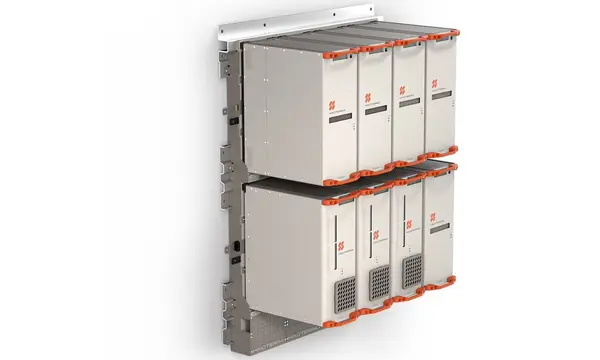
HikoTerra Expands Marine Hybrid Power Support Across Eight Regions
HikoTerra adds distributors and technical partners for the modular H⁴ Hybrid Power System, with configurations allowing up to 30kW of inversion and 96kWh of …
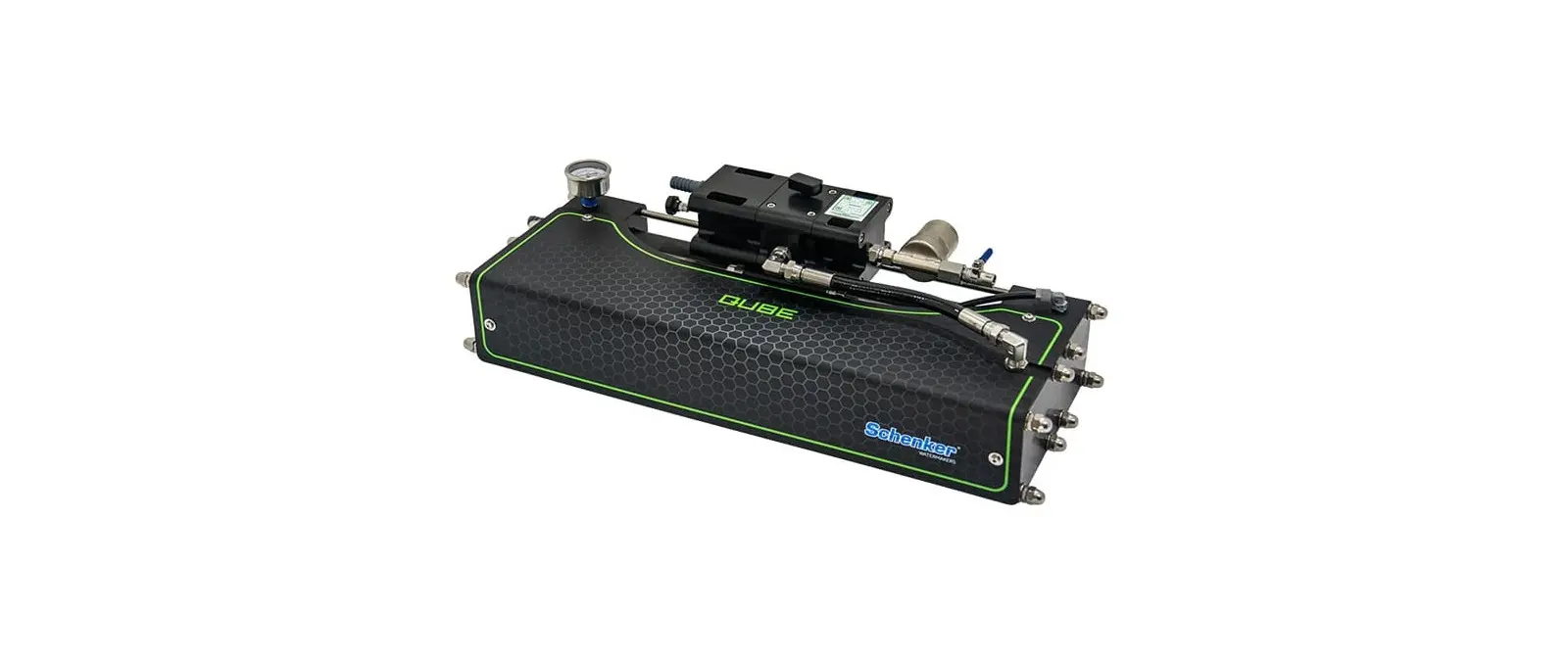
Schenker's Zen 30 Race and Qube 30 deliver an advertised 30 litres of desalinated water per hour on 12V or 24V DC while consuming around 110 watts.
Marine equipment distributor ASA Boot Electro has introduced the Schenker Zen 30 Race and Qube 30 watermakers to its customers, outlining two desalination options for small boats, sailing yachts and equipment-constrained installations. Its October trade update highlights the shared output specification: each unit is rated by the supplier to produce approximately 30 litres of freshwater per hour while consuming about 110 watts of electrical power.
Both operate on 12V or 24V DC supplies, allowing installation designs that do not depend on a separate large alternating-current generator while the watermaker is running. Those figures describe the products under specified operating conditions; actual production can change with feedwater temperature, salinity, membrane condition and system pressure. Freshwater output should always be matched to crew needs and available storage rather than treated as guaranteed under every cruising condition.
ASA says the Zen 30 Race weighs approximately 16.4 kilograms, around 28 percent less than the standard configuration cited in its announcement. The lightness is intended for racing yachts and other craft where keeping the weight of auxiliary equipment down is a meaningful design consideration. Its low-profile form also allows installation in technical spaces that might not accommodate a conventional larger desalination system.
The watermaker still needs a seawater supply, pre-filtration, freshwater routing, brine discharge and safe access for cleaning. Weight figures must therefore be considered alongside the plumbing, fittings, filters and mounting arrangements that accompany the machine in a complete working installation. A compact core unit may be advantageous without necessarily making the entire installed water system equally small.
The Qube 30 is described as a square-format machine intended for smaller yachts and powerboats, including approximately 25- to 35-foot motor craft in Schenker's own guidance. The manufacturer gives its standard Qube 30 weight as 22.5 kilograms, distinguishing it from the lighter Race model, while quoting the same nominal output and electrical consumption. An energy-recovery design and brushless electric motor are among the features associated with the Qube family.
Operating options include a basic control panel or a Mini Touch unit, with selected functions for starting, flushing and service monitoring. Correct flushing matters to membrane service life because seawater remaining inside an inactive system can create fouling and hygiene problems. A technical manager should check the precise specification of the offered package, including filters and controls, instead of assuming that every controller is standard with every Qube configuration.
These are smaller-craft watermakers, not a claim of a new full-scale freshwater plant for a large superyacht carrying dozens of guests and crew. Possible uses include long-range tenders, racing sailboats, support craft and shore-independent dayboats that have limited space for generators or domestic water tanks. A yacht with a garage of high-value tenders may find a separate compact system useful for particular missions, but maintenance and safety processes must still be agreed with the crew.
Schenker manufactures a broader range of watermakers in Italy, including larger output systems intended for multi-cabin vessels. ASA Boot Electro's notice is primarily a product availability and specification update for its distribution customers. The image used here comes from ASA's official Qube 30 product material, illustrating that model rather than falsely presenting a photograph of a complete dual-model installation.
Continue reading
HikoTerra adds distributors and technical partners for the modular H⁴ Hybrid Power System, with configurations allowing up to 30kW of inversion and 96kWh of …

IMSO opens its 30th Assembly in London with delegates from 112 Parties reviewing GMDSS satellite distress service resilience and LRIT performance.
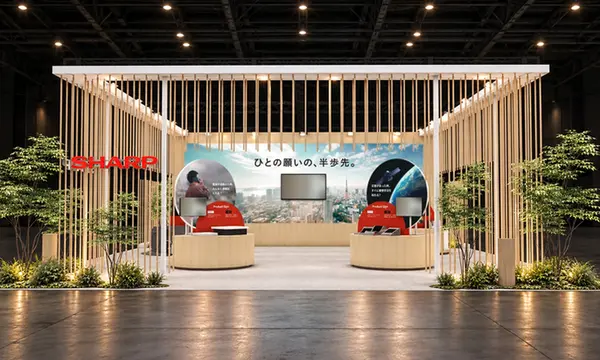
Sharp prepares to demonstrate its MEO/LEO tracking satellite user terminals at CEATEC 2026, with marine vessels among the planned mobile use cases.
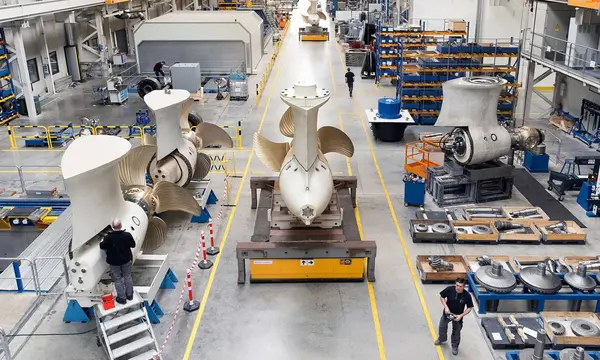
Schottel reports 20 superyachts on order with its forward-facing EcoPeller azimuth propulsion system, highlighting efficiency, manoeuvrability and reduced onboard noise.
Superyacht Guide
Continue into the wider Superyacht Guide.
Business opportunities · Superyacht Guide
Companies serving the superyacht market can discuss clearly identified advertising, sponsorship and business-profile opportunities. Commercial activity remains separate from independent editorial coverage.