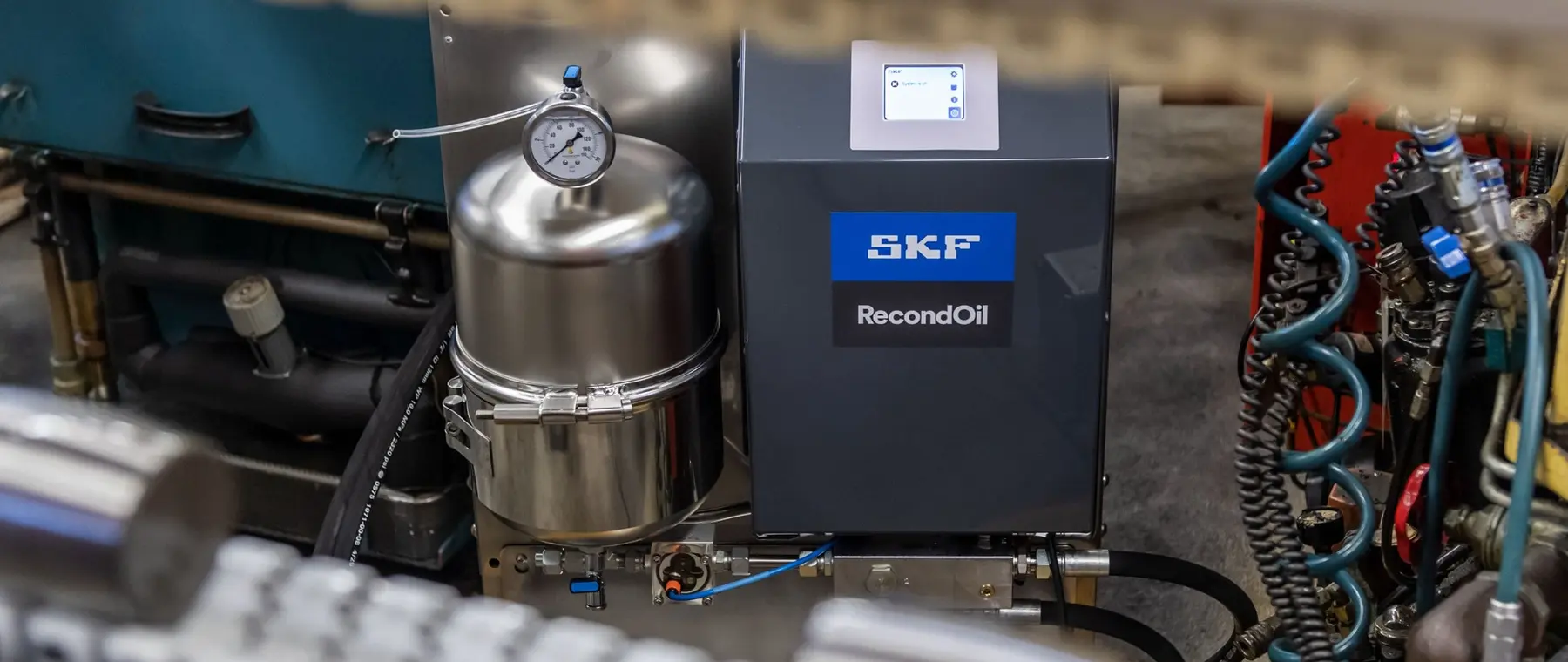
SKF RecondOil Features at METSTRADE With Superyacht Hydraulic Oil Regeneration
By Superyacht Guide Newsroom · Edited by Superyacht Guide Newsroom
SKF RecondOil Box — SKF official 20 July 2022 media photograph
SKF Marine's independently assessed RecondOil system appears on the METSTRADE 2026 sustainability route, offering a case study in hydraulic oil management.
When METSTRADE opens in Amsterdam on 17 November 2026, SKF Marine will be among the suppliers identified on Water Revolution Foundation's Superyacht Sustainability Route. The company's RecondOil technology is listed at stand 08.151. Unlike a newly launched propulsion system, this equipment addresses an existing consumable: the lubricating and hydraulic fluids on which machinery depends. The exhibition provides an opportunity for technical managers to examine what a more deliberate approach to oil condition could mean for vessels with substantial engineering installations.
The foundation's product assessment, covering the ROBX3115DSL configuration, reports a 65.20 per cent reduction in the study's global warming potential indicator against its conventional-use comparator. This is a lifecycle comparison under specified assumptions, not a reported measurement of fuel saved aboard every equipped yacht. The distinction matters. Engineers must understand which oil system was assessed, the expected consumable use and the maintenance conditions before using such a figure in a purchasing decision.
A superyacht's oil requirements vary considerably depending on its propulsion, steering, stabilisation, deck machinery and associated equipment. Hydraulic fluid transmits power and lubricates components; appropriate cleanliness is important to the operation of the entire circuit. A system may be compromised by particles generated through wear, by water entering during maintenance or through damaged seals, or by products of oxidation developing during operation. Different machinery applications tolerate different levels of contamination.
Replacing a volume of oil removes some contamination but creates its own difficulties. The owner purchases fresh fluid, arranges storage and delivery, and must arrange lawful disposal of the removed material. Opening a circuit also creates another opportunity for contamination. On a large yacht preparing for a lengthy voyage, additional oil drums and the space required to handle them become operational considerations. A change programme that is justified by actual condition rather than habit alone can have advantages, but it cannot disregard the equipment manufacturer's requirements.
SKF's RecondOil Box is designed as an offline cleaning unit, operating alongside the principal machinery system. SKF describes its Double Separation Technology as a combination of chemical and mechanical separation processes intended to remove fine contaminants, elements associated with varnish formation and water. The intended result is longer usable fluid life and improved cleanliness without having to interrupt the main operating circuit for each cleaning cycle.
A separate cleaning loop can make a retrofit more attractive because it need not become a restriction in the critical flow path of the machinery. However, a chief engineer should establish whether the reservoir has suitable connection points, whether the available oil temperature and flow meet the unit's requirements, and how installation would affect warranties and statutory or classification arrangements. An offline system still needs isolation, safe access and a thought-out response to an equipment failure. It is not appropriate to install it indiscriminately on every oil circuit simply because it is described as compact.
Water Revolution Foundation's summary reports improvements of approximately 60 to 84 per cent across the environmental indicators included in its assessed scenario. The largest cited improvement concerns water stress, while the nitrogen oxide indicator falls by around 60 per cent. The comparison is valuable because it places oil use within a broader set of impacts than the purchase price of a drum. The figures apply to the selected model and the conventional baseline used by the researchers.
An engineer preparing for a supplier discussion should obtain the assessment scope and determine where oil production, transportation, replacement, cleaning media and disposal enter the calculations. Particular attention should be paid to the period of operation and the volume of oil assumed to be changed in the comparative case. A vessel with infrequent fluid changes in its present configuration may obtain different results from a vessel with a large reservoir requiring regular replacement. A responsible procurement decision translates the research into a vessel-specific comparison instead of applying its percentages to the yacht's overall emissions.
The first step in evaluating a retrofit is an inventory of the relevant circuits. Record their fluid types, reservoir capacities, service intervals, known contamination incidents and the machinery to which they supply oil. Retrieve existing analysis results and determine whether samples have been taken consistently. An apparent change in contamination can sometimes reflect a change of sampling point or sampling practice rather than a genuine deterioration.
The engineering team should also distinguish planned changes from incident-driven replacements. If hydraulic oil has repeatedly been contaminated during an unrelated maintenance operation, the appropriate first investment might be improving that operation, not adding a new oil treatment unit. If water is entering an installation continuously, its source requires investigation. Cleaning equipment cannot be treated as a way of avoiding the underlying engineering work needed to keep a system sound. The baseline should therefore incorporate both consumption records and known failure modes.
An extended oil-service strategy depends on credible evidence that the fluid remains appropriate for its purpose. Relevant parameters may include viscosity, water content, acidity, additive condition and particle counts, selected according to the fluid and machinery manufacturer's instructions. A specialist laboratory can help determine which tests are useful for the specific installation. Establish a schedule for sampling and agree in advance which results require further investigation.
The possibility of retaining oil for longer should never be interpreted as permission to leave a system unattended. A filtration device cannot restore every aspect of a fluid that has been chemically altered or depleted. Some products depend on additives whose remaining effectiveness must be assessed separately. Machinery manufacturers may impose mandatory service requirements for reasons extending beyond cleanliness. Before extending an interval, obtain the necessary technical agreement and document it within the yacht's planned maintenance arrangements.
Space is always a concern when adding technical equipment aboard an existing yacht. The proposed unit must be examined relative to engine-room circulation, escape routes, lifting points, fire precautions and access to neighbouring machinery. The installation design should allow safe service of the cleaning elements and isolation without the loss of the main system's fluid inventory. Leak detection, containment and electrical protection require the same attention as other machinery installations.
For a new build, discuss the intended oil-service arrangement early enough to incorporate the required connections and access into the engineering drawings. For a refit, consider when a reservoir can safely be opened or modified, how work will interact with the yard period and who will commission the completed installation. A compact retrofit is only economical if it does not introduce disproportionate disruption elsewhere. Clarifying these matters before signing an order reduces the chance of discovering that an otherwise promising unit cannot fit within the practical constraints of the vessel.
A conventional oil budget often combines purchase, disposal and labour costs without capturing the wider implications of maintenance. A yacht's availability can be affected by delays in sourcing an unusual fluid overseas, or by major machinery work that follows contamination. However, a cleaning device has capital costs, replacement media, power demand and its own service requirements. The correct comparison must include these expenses in addition to the possible reductions in fluid consumption.
SKF describes service packages and technical support for its equipment. A prospective purchaser should establish what is actually included in the proposed contract and which parts and consumables can be supplied in anticipated cruising regions. Request a clear maintenance plan and identify responsibility for sampling, performance assessment and troubleshooting. The value of equipment that improves oil management is greatest when those processes remain workable during an extended period of operation far from the original installing contractor.
SKF Marine's place on the forthcoming METSTRADE route provides a useful opportunity to put technical and purchasing personnel in the same discussion. Bring the vessel's relevant system information and ask about the differences between the assessed ROBX3115DSL solution and the configuration recommended for the actual yacht. Request the supplier's current technical documentation, dimensional drawings, installation conditions and applicable support arrangements.
The foundation's assessment makes the technology worthy of consideration, rather than proving a universal result. The central opportunity is to reduce avoidable consumption and waste while retaining safe, reliable machinery operation. A yacht that already manages oil condition systematically will be in the strongest position to judge whether additional regeneration equipment can produce a meaningful improvement. In that sense, the most valuable output from the exhibition may be a better engineering question and a documented business case, rather than an immediate purchase.
Primary source: Water Revolution Foundation / SKF Marine.
Exhibition programme: Water Revolution Foundation — METSTRADE 2026.
SKF RecondOil Box — SKF official 20 July 2022 media photograph. Archive image, not a photograph of the 2026 event. Official source.
Explore
Go deeper into the yachts, companies, events and destinations directly connected to this article.
Continue reading

Seares presented hydraulic mooring dampers and load monitoring at METSTRADE 2026, with configurations aimed at large yachts, shipyards and marina operators.
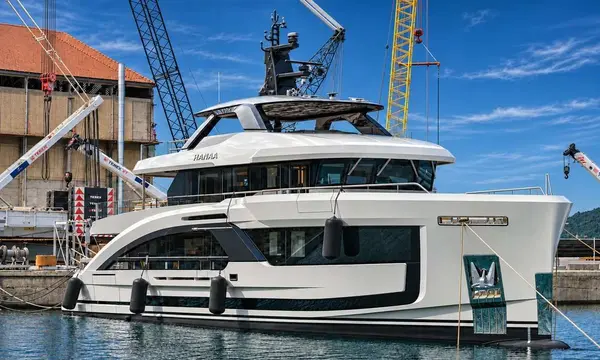
Jotun reveals its MegaGloss AC specification for Antonini Navi's 31m HANAA, detailing early collaboration between designer, builder, owner and applicator.

Benetti's 67m DAGGER receives the Boat Builder Awards sustainability honour for its integrated hybrid installation and supporting performance evidence.
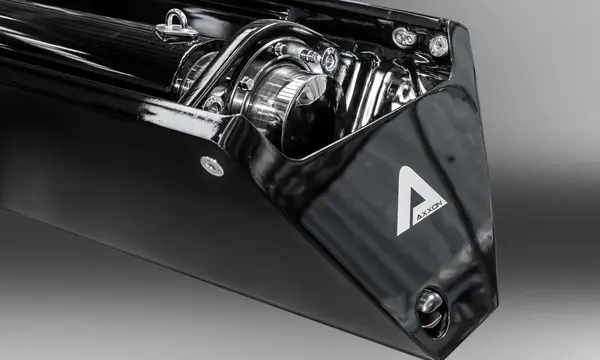
Axxon's updated digital portfolio provides a starting point for sailing yacht project teams evaluating carbon masts and booms for 24–30m projects.
Superyacht Guide
Continue into the wider Superyacht Guide.
Business opportunities · Superyacht Guide
Companies serving the superyacht market can discuss clearly identified advertising, sponsorship and business-profile opportunities. Commercial activity remains separate from independent editorial coverage.
