Southern Wind's Kiboko 4 Wins 2026 ISS Sailing Yacht Award in 24–40m Class
By Stephen Yardley · Edited by Stephen Yardley
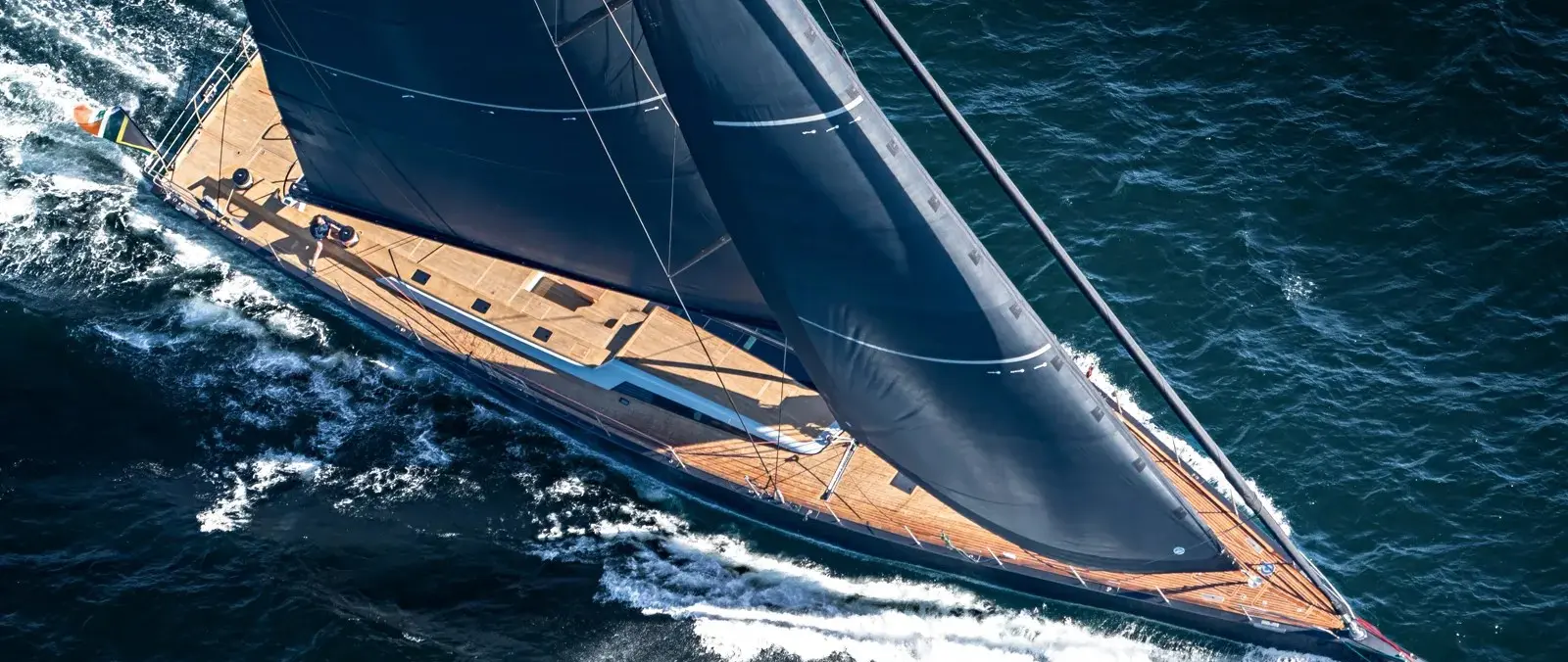
Southern Wind's Kiboko 4 Wins 2026 ISS Sailing Yacht Award in 24–40m Class — official Farr Yacht Design photograph
The 32.87-metre Southern Wind sailing superyacht Kiboko 4 has earned the 2026 International Superyacht Society Best in Sail 24–40m award, recognising a yacht built around both regatta performance and comfortable cruising.
Southern Wind's KIBOKO 4 has been named winner of the Best in Sail 24–40m category at the International Superyacht Society's 2026 Design and Leadership Awards. The results were announced during the organisation's annual gathering in Fort Lauderdale on 28 October, with the sailing category highlighting a type of superyacht that must combine demanding naval architecture with the more personal requirements of life aboard. The award adds to an already established record of recognition for this distinctive carbon-built yacht.
The yacht is the second example of Southern Wind's SW108 Smart Custom platform and the fourth Southern Wind built for the same owner. That history matters: KIBOKO 4 was not designed as a speculative exercise in speed, but as an evolution of a long working relationship between an experienced sailor, builder and naval architects. Southern Wind identifies weight control, dynamic performance and an elegant, functional interior as the key objectives behind the project.
Exterior and interior design are by Nauta Design, with naval architecture by Farr Yacht Design. The International Superyacht Society's published finalist list confirms these credits for the 2026 competition. Farr's own technical account describes the brief as creating a yacht capable of campaigning in regattas while remaining a comfortable base for extended cruising, a difficult balance because lightweight race-oriented choices can conflict with the storage and systems demands of a large private yacht.
Southern Wind gives KIBOKO 4 an overall length of 32.87 metres, excluding the bowsprit, and 35.51 metres when that projection is included. The distinction matters when comparing published measurements or assessing marina space. Her maximum beam is 7.51 metres, and the yard lists a lightship displacement of approximately 76 tonnes including extras, a striking figure for a fully equipped superyacht in this length class.
The hull and deck employ advanced carbon and epoxy sandwich construction around a Corecell core, while the internal structures and high-modulus mast and boom are also selected with weight in mind. The rigging and deck specification includes carbon components and titanium fittings. These decisions reduce mass in critical areas and can contribute to a more responsive yacht, although the eventual sailing experience also depends on the distribution of that mass, the sail plan and the skill of the crew.
The construction programme is not simply about reaching the lowest number on a weighbridge. A private superyacht must remain reliable and maintainable during passages far from the yard, and it needs the necessary comfort equipment for guests. Southern Wind's Smart Custom approach seeks room for personal preferences within a proven overall platform. The value of that approach is especially clear when an owner has detailed knowledge of what worked, and did not work, aboard three predecessor yachts.
The most conspicuous performance feature is a high-aspect-ratio lifting keel that changes draft from approximately 6.2 metres in its lowered position to 4.0 metres when raised. The deeper configuration is intended to support the stability and pointing ability demanded under sail; the reduced draft expands access to anchorages and harbours that would otherwise be beyond the yacht's reach. It does not make her a shallow-draft vessel by ordinary cruising standards, but it adds meaningful flexibility at this size.
Farr Yacht Design specifies a ballast ratio of about 33 per cent and describes careful treatment of the hull's volume distribution and form as the boat heels. The design team applied computational-fluid-dynamics work familiar from high-performance racing programmes to the SW108 hull form. That is an engineering process, rather than evidence of any particular race result, and it is best understood as one element of the broader compromise between speed, seakeeping and accommodation.
A twin-rudder arrangement is another distinctive choice. As a sailing yacht heels, keeping an effective rudder immersed can improve control at speed; two rudders can support that aim when properly matched to the hull. The owner still needs experienced watchkeepers, appropriate sail changes and disciplined handling. Even a sophisticated appendage package cannot substitute for seamanship when conditions become challenging.
Farr lists an upwind sail area of 607 square metres and a downwind area of 1,288 square metres. Those figures illustrate why the yacht's sailhandling systems and deck ergonomics matter: large sail areas create demanding loads, particularly during manoeuvres. The design includes ways to reduce power for cruising, notably a furling staysail and reefing arrangements for the mainsail, allowing the crew to adapt rather than treat maximum canvas as the default.
The yacht's dark hull and mast set off a pale superstructure, giving the exterior a distinctly modern profile. Nauta Design's restrained deck lines also help keep the working elements of a complex sailing yacht visually organised. That cleanliness is not purely decorative. It affects movement during sail changes and helps define which areas are for guests and which remain part of the crew's operating environment.
At the stern, Southern Wind has provided a garage for a tender of approximately five metres. The builder describes an optional transom arrangement that can transform the aft platform into a more substantial water-level social space. Such features demonstrate the difference between a pure race yacht and a privately commissioned superyacht: performance remains central, but so do the experience of guests at anchor and the practical needs of cruising between events.
Below deck, the plan accommodates four cabins, with the owner's suite forward and three guest cabins amidships. The saloon incorporates an L-shaped arrangement of sitting, dining and television areas, providing several ways for people to gather without treating the interior as one enormous open room. The owner wanted a contemporary marine atmosphere that still felt welcoming and comfortable during family use.
Southern Wind describes light oak veneer, walnut detailing and handwoven Mallorcan fabrics within the interior scheme. These are tactile choices that soften the strongly technological nature of a carbon-composite performance yacht. They also underline the distinction between what photographs suggest and what a real cruising interior must provide: quiet spaces, durable surfaces, accessible storage and the ability to move securely while the boat is underway.
The deck specification likewise reflects the owner's interest in materials. Rather than using conventional natural teak throughout, the project incorporates an alternative timber sourced from managed forests, according to the builder. Sustainability claims should be assessed against the exact product and maintenance life cycle, but the decision illustrates how an owner can influence construction choices beyond visible styling and decorative finishes.
The 2026 ISS award places KIBOKO 4 alongside another very different sailing winner, Royal Huisman's larger AQUARIUS, which took the category for sailing yachts above 40 metres. There is no direct like-for-like design comparison between the two classes. In KIBOKO 4's bracket, the award acknowledges the difficult work of combining capable performance, careful lightweight engineering and an interior sufficiently comfortable for extended family cruising.
Recognition does not eliminate the need to evaluate a yacht on her own operational merits. Real-world race results, maintenance experience and the way a vessel sails with a cruising inventory are all separate questions. The published construction data nevertheless makes KIBOKO 4 an instructive case study in what a modern owner-driven performance superyacht can attempt without abandoning the demands of living aboard.
For Southern Wind, Nauta Design and Farr Yacht Design, the award is a public acknowledgement of a collaboration refined over several yacht generations. For the wider superyacht sector, the more useful lesson is how clearly defined owner priorities can shape design decisions from keel geometry to fabric selection. KIBOKO 4's achievement is not simply that she looks fast, but that the project treats sailing ambition and private cruising as two requirements of the same yacht.
International Superyacht Society / Southern Wind Shipyard / Farr Yacht Design
Explore
Go deeper into the yachts, companies, events and destinations directly connected to this article.
Continue reading

Southern Wind reports Marco Alberti’s Lighthouse Legend recognition at the 2026 South African boatbuilding awards, honouring his long industry career.
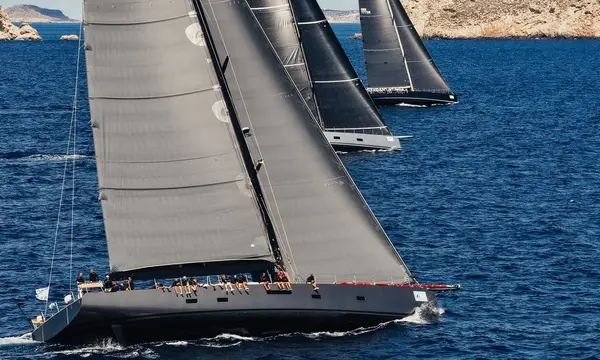
Southern Wind reports seven yachts in the 20-boat Ibiza JoySail fleet, with Gelliceaux second, Kalantis third and Fortissimo making her regatta debut.

Amadei Collett details how designers and specialist suppliers created Water Revolution Foundation's Monaco Yacht Show stand through shared expertise and materials.
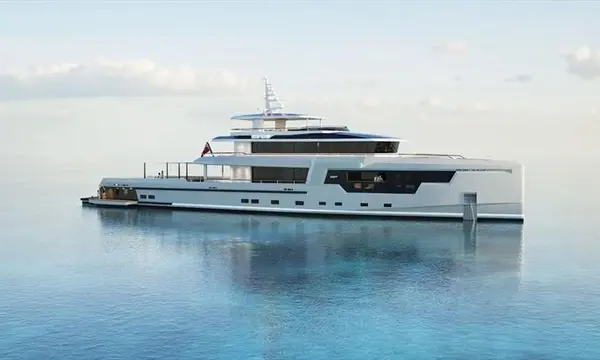
Humphreys Yacht Design introduces the 50m H50EXP explorer concept with Mark Whiteley Design and Occam Marine, targeting over 5,000nm of range at 12 knots …
Superyacht Guide
Continue into the wider Superyacht Guide.
Business opportunities · Superyacht Guide
Companies serving the superyacht market can discuss clearly identified advertising, sponsorship and business-profile opportunities. Commercial activity remains separate from independent editorial coverage.