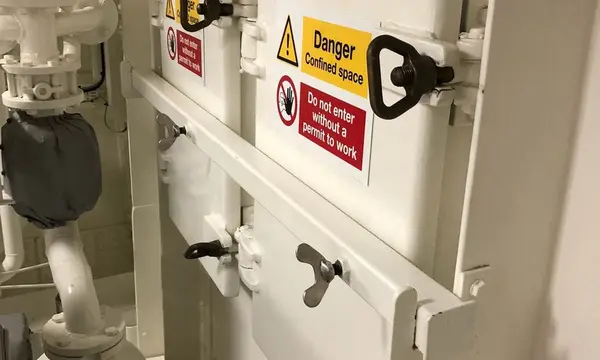
Yacht Crews Revisit IMO Enclosed-Space Safety Guidance
A 26 November 2026 Sentini Marine safety review examines how the IMO's existing enclosed-space entry recommendations translate into superyacht hazard registers, entry procedures and …
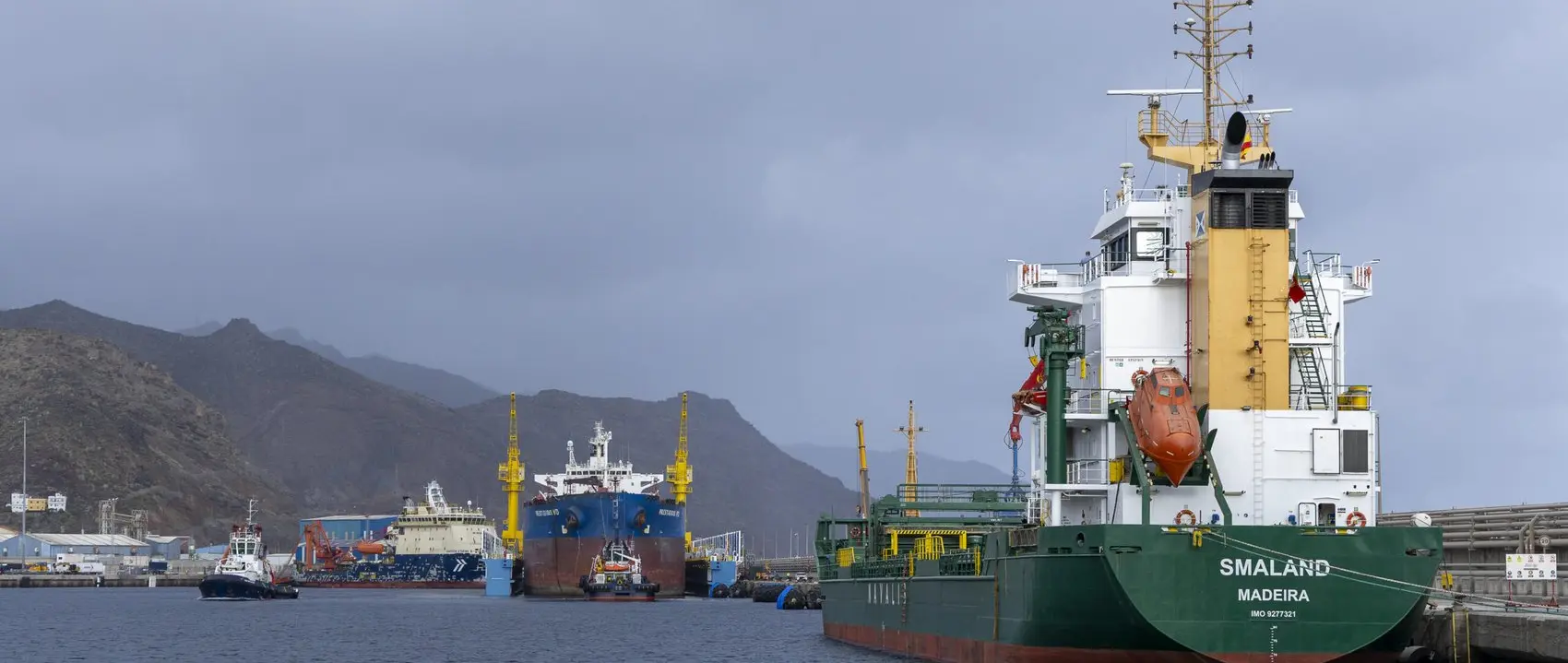
Port Authority of Santa Cruz de Tenerife, official East Basin photograph of its repair and cargo infrastructure.
Tenerife's 26 November 2026 report documents a tanker entering Hidramar Ultra 22000 for repair, cargo and bunkering operations, and planned calls at Granadilla.
The Port Authority of Santa Cruz de Tenerife has reported an unusually busy period at its East Basin, where ship repair, container handling, grain discharge and bunkering operations took place in parallel. Its announcement dated 26 November 2026 describes activity on the previous day and planned further work at Granadilla during the following week. The account provides named vessels and specific cargo figures, making it a verifiable snapshot of the island's wider maritime-support infrastructure.
This is a commercial port-operations story, not a report that a superyacht has entered drydock or that the port has delivered a new yacht. Its relevance to the larger yacht industry is the capacity of a maritime hub to coordinate repair facilities, fuel deliveries and logistics. Owners and captains rely on such infrastructure, but they should not assume that a service available to a tanker is automatically offered to a private vessel.
The authority says the tanker Prestigious WD, handled by Tenerife Shipyards, entered the Hidramar Ultra 22000 floating dock for repair work at Santa Cruz de Tenerife. The report does not specify the work package, duration or technical condition of the ship. It establishes an actual vessel movement into a specialist repair facility rather than a planned contract with no confirmed arrival.
Floating docks are important parts of maritime maintenance because they can raise a vessel clear of the water for suitable inspections and work. Their operating limits depend on dimensions, lift capacity, stability and the characteristics of the vessel. A dock's nominal name does not establish that every yacht can be accommodated. Owners assessing repair options should seek precise technical acceptance criteria and availability directly from the relevant operator.
A floating drydock can make underwater hull surfaces and appendages accessible without the need for a conventional excavated drydock. That can be useful for many classes of ship, but the lifting arrangement requires careful planning. Engineers must consider the vessel's weight distribution, hull support points, tank and fuel conditions and weather during the docking operation.
The Port Authority's 26 November statement does not publish a new engineering capacity rating or a yacht-specific docking programme. A cautious report can explain the general function of a floating dock while treating the Prestigious WD movement as the verified event. Technical requirements for large private yachts differ by hull form and equipment, and they would need their own docking plan and professional approval.
Close to the repair activity, the vessel Smaland was discharging approximately 6,500 tonnes of maize, according to the authority. This grain operation demonstrates that the port was serving cargo users at the same time as the ship-repair programme. It does not indicate any relationship between the agricultural cargo and the tanker in the floating dock.
The coexistence of these activities matters to port management because different ships require distinct berths, cranes, road access and safety areas. A busy harbour must schedule each operation without creating conflicts with the others. The report gives a snapshot rather than a full monthly cargo dataset, so it should not be turned into a general conclusion that Tenerife's agricultural imports have increased.
The authority says the container vessel Endurance was involved in the discharge of 159 containers and loading of another 166 at the Tenerife Container Terminal. These figures describe a particular operation and are useful because they put a measurable scale on the activity reported for that day. They should not be confused with the port's overall daily, monthly or annual container throughput.
For the marine-services economy, efficient container logistics can affect how spare parts, equipment and materials reach an island. A yacht needing specialist components may depend on freight systems operating alongside cargo shipping, even where the yacht itself uses a separate marina or repair yard. The connection is an operational implication, not a claim that the Endurance carried parts destined for a named superyacht.
The statement also describes fuel supply involving the barge Aland, which subsequently delivered approximately 100 cubic metres of gasoil and 100 tonnes of very-low-sulphur fuel oil to the vessel Isabella B. Those quantities are reported by the Port Authority, and their units should be preserved rather than converted into a total volume without the required fuel-density information.
Bunkering requires particular attention to safe transfer arrangements, documentation, spill prevention and compatibility with the receiving vessel. These are familiar concerns for large-yacht captains, although the fuels and delivery systems used by commercial ships may differ. The authority has not announced a new yacht-specific fuel service through this operation, so the article records it accurately as commercial bunkering activity.
The port authority says the vessel ST Michael is expected at Granadilla for repair work extending until 3 December 2026. It also reports that the Vetra was scheduled to arrive on 1 December to discharge liquefied petroleum gas for DISA facilities. These are announced future calls relative to the 26 November press release and should not be described as completed operations at the time of publication.
The authority predicts that seven vessels will be operating in the Granadilla harbour during the following week, once the planned movements take place. That forecast can change if sailing schedules or port requirements shift. An accurate account therefore distinguishes ships confirmed at a facility from ships listed for future arrival. Maritime business reporting should avoid turning a schedule into a completed vessel movement.
The report identifies Tenerife Shipyards in relation to the tanker and the Hidramar floating dock as a repair facility. The Port Authority has wider responsibilities for the management of harbour infrastructure and activity. That distinction is important when readers ask who would be responsible for contracting or approving work on a particular yacht.
A captain planning a refit would need to communicate with a qualified yard, confirm the scope and timing, and establish any requirements imposed by the harbour. The existence of a floating dock inside a port does not mean that every operator controls the full chain of repair services. Shipyards, pilots, agents, dock operators and port authorities perform different functions, often in coordination with the vessel's owner and flag.
The noteworthy part of the authority's report is not simply the presence of several ships, but the simultaneous execution of different kinds of maritime work. Cargo discharge, drydock repair, fuel transfer and container handling all use shared infrastructure while imposing different safety and logistical requirements. Successful coordination helps a harbour remain available to multiple economic sectors.
Owners of professionally operated yachts may care about a region's wider port capability when planning major work or long stays. Access to trained contractors, freight services and dependable suppliers can influence the feasibility of servicing a yacht far from the main northern European build yards. Nevertheless, the 26 November announcement does not assess the yacht market specifically or offer performance guarantees for visiting superyachts.
Tenerife's position on Atlantic routes creates demand for ship handling, fuel and maintenance services from commercial operators. The authority's account illustrates this through named tankers, cargo carriers and repair facilities. The same regional economy may host yacht businesses, though those form only one part of the island's marine activity and are not separately quantified in this particular report.
For a large yacht making an Atlantic passage, the availability of technical supplies and a safe port may be important, but the practical decision depends on the vessel's needs, marina arrangements and local service capacity. A general harbour news item cannot establish that a specific yacht berth or engineering contractor will be available on demand. The appropriate next step is always direct operational confirmation.
Concurrent maritime operations require careful management of traffic, restricted areas, personnel access and environmental risks. A floating dock has different hazards from a grain terminal, while bunkering presents a separate set of controls. The authority describes the availability of specialist installations and safety standards as part of the region's ability to handle several services at once.
The report does not publish individual inspection findings or incident statistics for these activities, and none should be invented. A company statement about safe operations can be recorded as the authority's assessment without treating it as an independent audit. Readers interested in technical standards should consult the relevant facility operator and applicable regulatory requirements for more detailed evidence.
Ship maintenance and port services can support businesses in fabrication, mechanical engineering, electrical work, logistics and fuel supply. A period of simultaneous operations may therefore create work across several different parts of the local maritime economy. The Port Authority explicitly associates its facilities with economic activity and employment opportunities.
The source, however, does not quantify new jobs or specify the economic value generated by the named vessel calls. An individual busy day is not enough to calculate an annual growth rate or the profitability of a repair yard. The verified news is the activity itself and the facilities used, while wider economic conclusions require consistent data collected over a longer period.
The 26 November release provides specific evidence of Prestigious WD entering the Hidramar Ultra 22000, Smaland's grain discharge, container movements by Endurance and a bunkering operation involving Aland and Isabella B. It separately lists anticipated calls at Granadilla and the authority's expectation of seven ships operating there the following week. These figures and vessel names can be reported without embellishment.
No large-yacht repair contract, superyacht delivery or new shipyard launch is announced. The story is relevant to the infrastructure and services around maritime operations, with any yacht-sector application clearly identified as a possible broader implication. Preserving that distinction keeps the source record trustworthy and avoids turning a genuine cargo-port update into invented yacht news.
The primary source is the Port Authority of Santa Cruz de Tenerife's 26 November 2026 operational report. The vessel movements, quantities and future schedules are drawn from that statement and have not been independently reinterpreted as confirmed yacht operations.
The hero photograph is a real Port Authority image of the East Basin and its working harbour infrastructure. It is credited to the authority and offered as context for the port activity, not as a picture of a named yacht undergoing refit. No AI illustration or image from a competing maritime publisher has been used, and no unverified photographer identity or unrestricted licence is asserted.
Continue reading
A 26 November 2026 Sentini Marine safety review examines how the IMO's existing enclosed-space entry recommendations translate into superyacht hazard registers, entry procedures and …
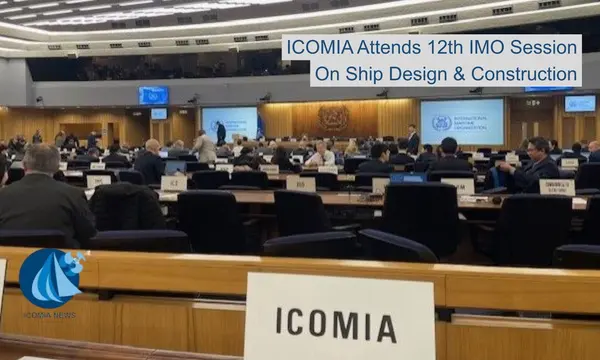
ICOMIA and SYBAss monitored IMO ship design and construction discussions on composites, underwater radiated noise, remote surveys and propulsion in January 2026.
Superyacht Australia has expanded its entry and cruising guidance to bring government links, seasonal planning and state-by-state destination information into one national resource.
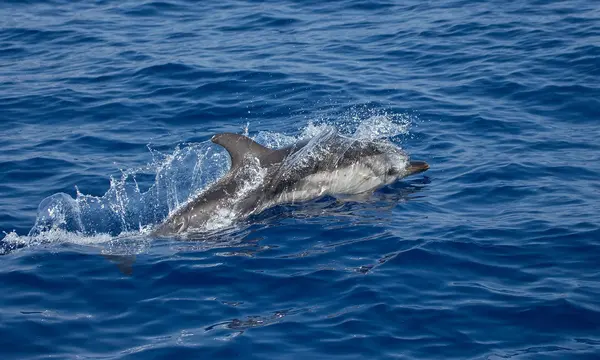
Water Revolution Foundation urges yacht operators to incorporate whale-safe navigation and ecological information into northwestern Mediterranean passage plans.
Superyacht Guide
Continue into the wider Superyacht Guide.
Business opportunities · Superyacht Guide
Companies serving the superyacht market can discuss clearly identified advertising, sponsorship and business-profile opportunities. Commercial activity remains separate from independent editorial coverage.