Company
VIKING Life-Saving Equipment
Explore the company profile and related Superyacht Guide coverage.
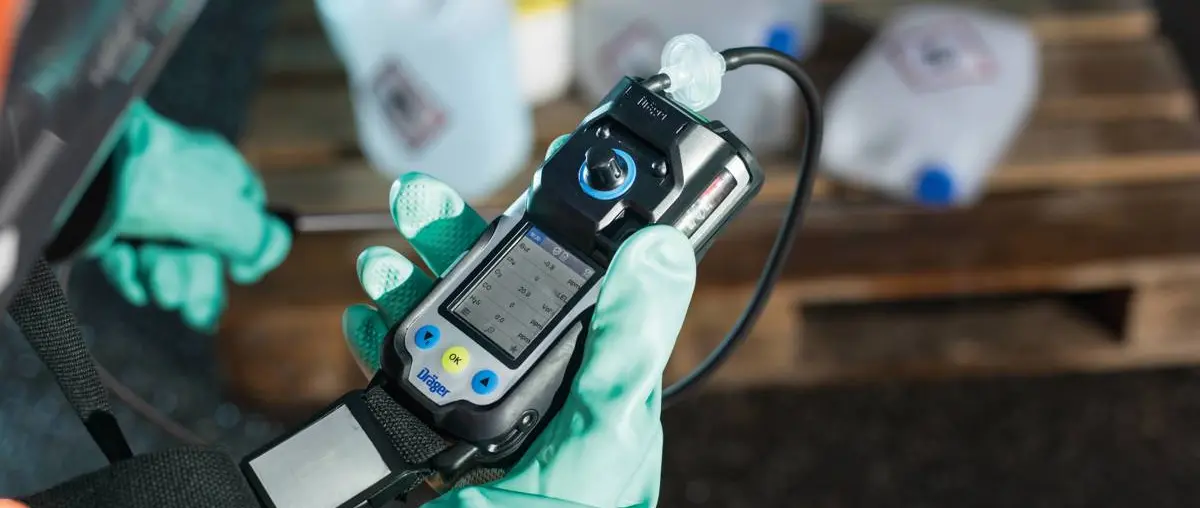
VIKING has become Dräger’s preferred global maritime sales and service partner for respiratory protection and portable gas-detection equipment.
VIKING Life-Saving Equipment has been appointed Dräger’s preferred global sales and service partner for respiratory protection and mobile gas-detection equipment across the maritime industry. The agreement expands an existing relationship and gives ship operators a broader international support route for two categories of equipment that sit at the centre of onboard emergency response and enclosed-space safety.
The partnership was formalised around SMM 2026 in Hamburg and reflects Dräger’s decision to work with a service organisation able to support marine customers across multiple regions. For superyachts, the practical relevance lies less in the corporate announcement itself and more in access to inspection, servicing and replacement support for safety equipment that must remain dependable wherever the yacht is operating.
Respiratory protection equipment is used in situations where smoke, toxic gases or oxygen deficiency can make an enclosed space immediately dangerous. On a large yacht, that can include firefighting, machinery-space incidents and controlled entry into compartments where the atmosphere cannot be assumed to be safe.
Equipment reliability depends on more than the initial purchase. Cylinders, masks, valves and associated components require inspection and maintenance, while crews need confidence that replacement parts and competent service support are available when a yacht changes cruising region or enters a distant refit yard.
Mobile gas detectors provide another layer of protection by allowing crews to test atmospheres before and during entry into potentially hazardous spaces. Their role can include identifying oxygen deficiency and detecting gases that create toxic or flammable conditions, with the exact sensors depending on the equipment specification and intended use.
For captains and safety officers, the value of a global service arrangement is consistency. A yacht may spend one season in the Mediterranean, another in the Caribbean and later move through the Middle East or Asia, so equipment support that follows the vessel can reduce the risk of safety systems becoming difficult to maintain outside their original supply market.
VIKING has built its business around marine and offshore life-saving equipment, while Dräger is a long-established specialist in respiratory and gas-detection technology. Bringing the two networks together creates a more unified route for sales and after-sales support without changing the need for yacht managers to follow flag-state, class, manufacturer and onboard safety-management requirements.
The arrangement is especially relevant during refit periods, when firefighting and gas-detection inventories are often reviewed alongside other statutory and operational equipment. Coordinating inspection and replacement through suppliers with international coverage can help prevent delays when a vessel is working to a fixed yard departure or charter schedule.
Modern superyachts carry increasingly sophisticated technical systems, yet emergency preparedness still relies on comparatively simple questions: does the equipment work, has it been maintained correctly and can trained crew use it under pressure. Partnerships such as this matter because they strengthen the service infrastructure behind those answers rather than merely adding another product to an equipment catalogue.
Owners and managers should still assess equipment on the needs of the individual yacht and its certification regime. The broader lesson is that lifecycle support, spare availability and service competence deserve as much attention as headline specifications when selecting safety equipment for a vessel that operates internationally.
Explore
Go deeper into the yachts, companies, events and destinations directly connected to this article.
Company
Explore the company profile and related Superyacht Guide coverage.
Continue reading
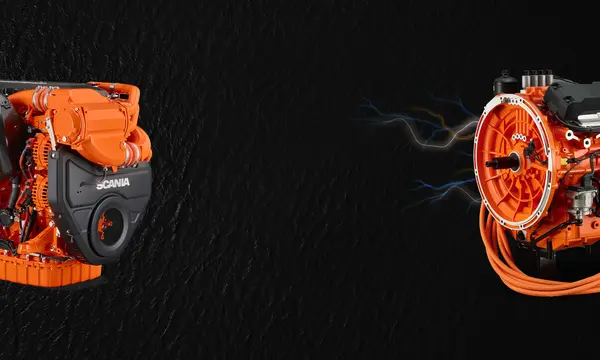
Scania is showcasing its 13-litre marine engine built on the Scania Super platform alongside hybrid systems and industrial battery technology.
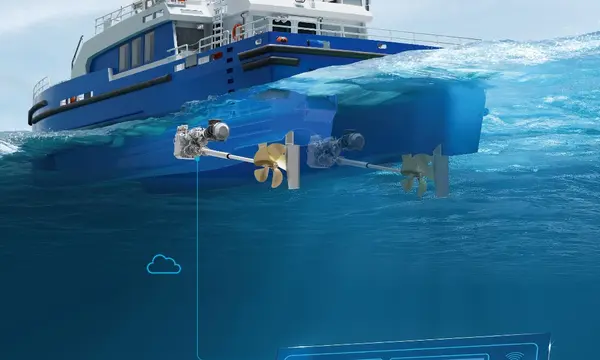
ZF is expanding its marine digital-services and control portfolio with condition monitoring and the latest AutoTroll low-speed manoeuvring system.
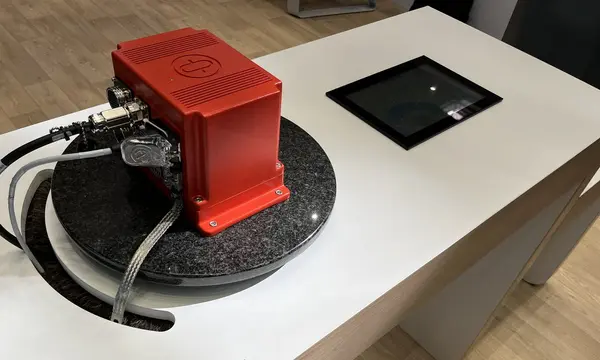
Anschütz has unveiled the Standard 100 MF, a maintenance-free gyrocompass designed for straightforward new-build and retrofit integration from 2027.
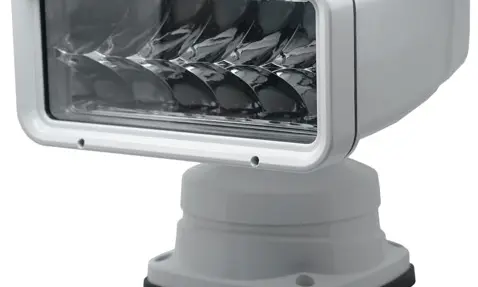
ACR Electronics has introduced the RCL-200 LED marine searchlight, delivering a 720,000-candela beam and up to 1,697 metres of stated beam distance.
Superyacht Guide
Continue into the wider Superyacht Guide.