Vitters Zero Moves Regenerative Propulsion from Theory to Testing
By Stephen Yardley · Edited by Stephen Yardley
The 68.9-metre Vitters-built sailing yacht Zero is bringing its electric pod hydrogeneration and energy-management systems through commissioning, with future sea-trial data expected to test the concept.
At the heart of the 68.9-metre sailing yacht Zero is a propulsion arrangement expected to do two jobs that are usually kept separate. When the yacht is leaving harbour, its electrically driven pods must supply controlled thrust. Once it is under sail, the same underwater equipment is intended to recover energy from the water flowing past the hull and recharge the vessel's batteries.
Foundation Zero, the independent non-profit sharing technical progress from the project, has described testing of this hydrogeneration system as the yacht moves through commissioning. The system combines variable-pitch propellers with electric pod drives and a power-management network. It is not enough for the blades to rotate in the water; their angle and control logic must be coordinated with the vessel's wider electrical demands.
Vitters, which built the yacht, has described Zero as a demonstration of a superyacht designed to operate without combustion engines. That claim places unusually high demands on energy recovery, storage and consumption. If the generating system cannot supply the expected power in changing conditions, battery management and the practical operating programme become more complicated than on a conventional diesel-assisted sailing yacht.
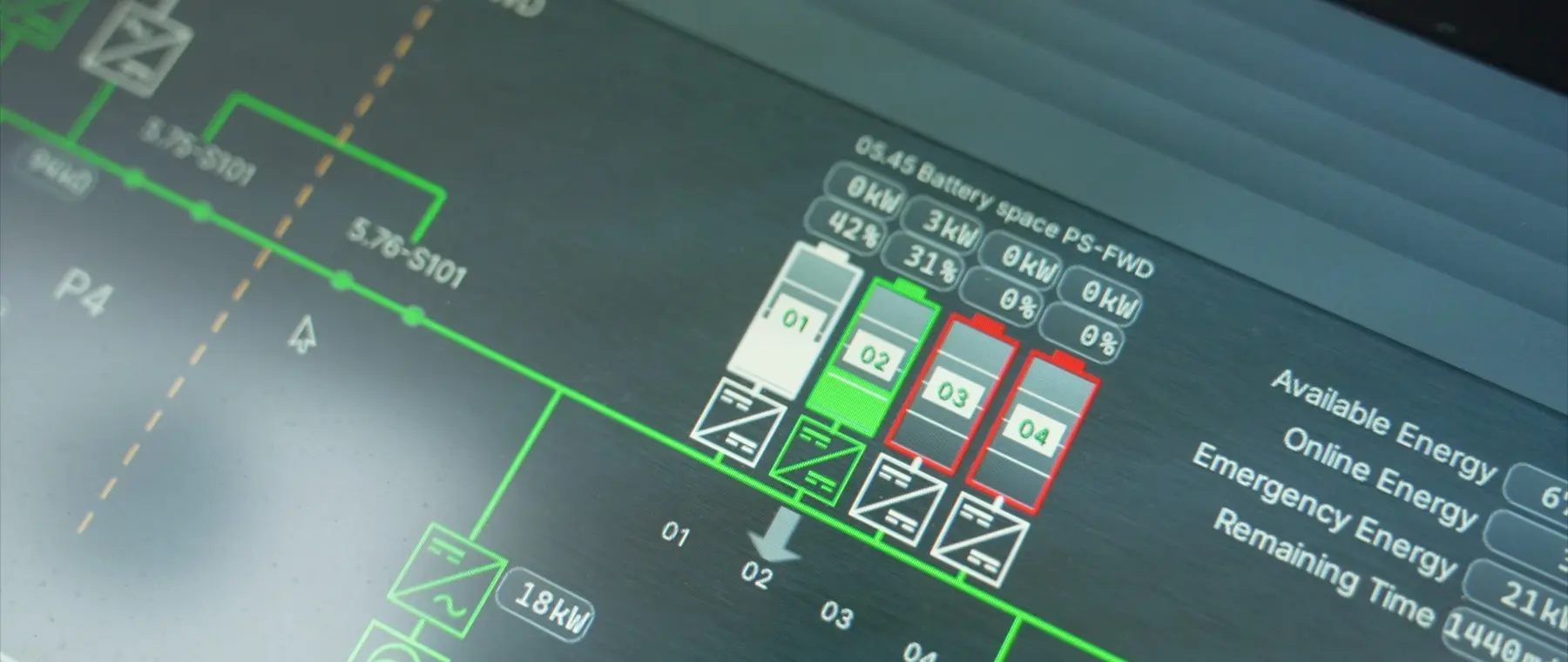
Foundation Zero reported in August that the commissioning team had been linking the propulsion controller to the broader energy-management system before open-water trials. Engineers were checking how the equipment responds when the blades are commanded into generating rather than propulsive operation. Such integration is necessary because a control error could affect manoeuvring as well as electrical supply.
The team has said that hydrogeneration performance was originally estimated using computer simulations. Those predictions can guide the dimensions of equipment and the choice of control settings, but they cannot fully reproduce turbulence, wave motion and changing wind conditions at sea. The sequence of testing therefore matters: prove the basic electrical and mechanical communication alongside the dock, then collect performance data under sail.
One important design choice is the use of rotating pods, allowing the direction of the units to be adjusted in their different roles. The concept aims to recover useful energy while avoiding unnecessary drag, because excessive resistance would slow the yacht and undercut the advantage. The correct answer will depend on operating conditions, so any headline efficiency figure should be treated as a design expectation until supported by validated sea-trial data.
Zero's engineering package is more extensive than regenerative propellers alone. Vitters has published a battery-storage capacity of approximately 5.2 megawatt-hours and details of the hybrid photovoltaic-thermal panels that contribute solar electricity and useful heat. The intention is to combine several renewable inputs and reduce unnecessary consumption across guest and crew systems.
Foundation Zero has also described the use of a Mission Room, where crew members monitor power balances, weather and plans for future energy generation. This is a different operating discipline from treating fuel tanks as a background reserve that can make up for most changes in electrical demand. On Zero, the time, wind and route selected for sailing have direct implications for comfort and for the next period at anchor.
The project demonstrates why overall vessel efficiency must be considered from the first naval-architecture decisions. Thermal insulation, heat recovery, water production and interior energy loads all influence how frequently the yacht needs to recharge through sailing. A highly capable hydrogenerator cannot compensate indefinitely for wasteful onboard systems, particularly during long periods in harbour or sheltered anchorages.
Zero has a length of 68.91 metres, an 11.11-metre beam and a lifting keel. Dykstra Naval Architects developed the naval architecture, Vripack designed the exterior and interior, and Vitters completed the build. The arrangement combines familiar long-overhang ketch proportions with equipment selected for a new energy strategy rather than a conventional auxiliary-engine layout.
The project team intends to share research and performance results through the open-source Foundation Zero platform. That matters to the wider superyacht industry because much of the value lies in replicable lessons about controls, energy storage and efficient hotel services. Not every future yacht will adopt a completely fossil-free brief, but individual solutions could still influence hybrid and lower-consumption vessels.
The hydrogeneration programme should be judged through measurable trials rather than the novelty of the concept alone. What matters is how much energy can be recovered over a real passage, how much performance is sacrificed in doing so and how predictably the electrical system behaves in a wide range of conditions. Those results, rather than a single publicity figure, will determine the long-term significance of Zero's experiment.
Explore
Go deeper into the yachts, companies, events and destinations directly connected to this article.
Continue reading
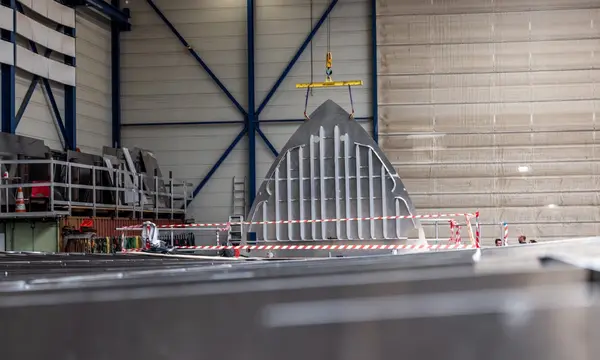
Vitters has marked the keel laying of 68-metre Project 3095, a Hoek-designed hybrid ketch scheduled for delivery in 2026.
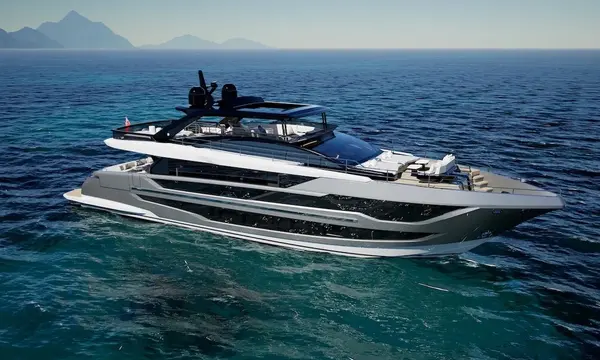
The first Pearl 100 Hybrid is scheduled for its world debut at Fort Lauderdale, introducing the company’s largest yacht and its first hybrid propulsion …
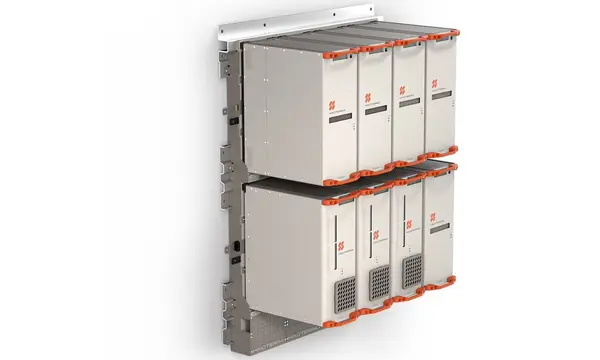
HikoTerra adds distributors and technical partners for the modular H⁴ Hybrid Power System, with configurations allowing up to 30kW of inversion and 96kWh of …

IMSO opens its 30th Assembly in London with delegates from 112 Parties reviewing GMDSS satellite distress service resilience and LRIT performance.
Superyacht Guide
Continue into the wider Superyacht Guide.
Business opportunities · Superyacht Guide
Companies serving the superyacht market can discuss clearly identified advertising, sponsorship and business-profile opportunities. Commercial activity remains separate from independent editorial coverage.