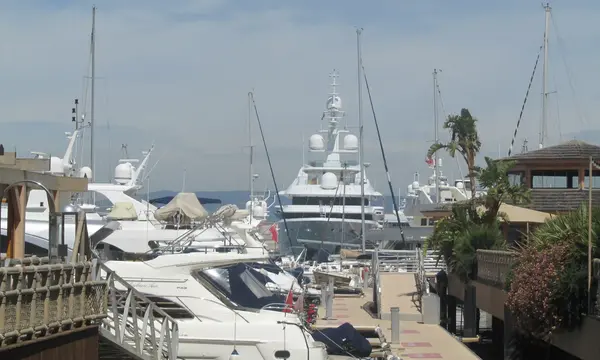
Superyacht Marinas with 100m+ Berths
A de-duplicated guide to marinas with verified 100m-plus yacht capacity, from Porto Montenegro and St Thomas to Barcelona, Monaco and Malta.
Where Do Superyachts Go in Winter? Many superyachts move from the Mediterranean summer to the Caribbean or Bahamas for winter, while others enter shipyards, remain in the Med, or pursue expedition programmes elsewhere.
Many superyachts move from the Mediterranean summer to the Caribbean or Bahamas for winter, while others enter shipyards, remain in the Med, or pursue expedition programmes elsewhere. Exact terms depend on the charter agreement, yacht policy, captain, cruising area and local law, so the published rate is only the starting point for the final trip budget. This is why the headline number should be treated as a starting point rather than the whole answer.
This guide answers where do superyachts go in winter? with practical context for the 24m+ superyacht market rather than treating the question as a one-line rule. Under common MYBA-style arrangements, operating extras are funded through the Advance Provisioning Allowance and reconciled against actual expenditure at the end of the charter. The planning consequence is more important than the marketing headline because it affects cash flow and operational flexibility.
For the full budget framework, see SYG’s 2026 superyacht charter price guide and what is included in the charter price. Those guides explain the base fee, APA and other costs that sit behind this more specific question.
Dual-season yachts often leave the Mediterranean after the autumn period. Fuel, food, beverages, berthing, communications and special requests can change substantially with itinerary and guest behaviour, which is why two charters on the same yacht can cost very different amounts. That distinction prevents a simple search answer from becoming misleading when applied to a specific yacht.
The Caribbean and Bahamas provide warm-weather charter demand during the northern winter. The captain has the final operational responsibility for safety, weather and navigation, and an itinerary may need to change even when the commercial plan looked straightforward ashore. Captains, managers and advisers normally refine the estimate once the yacht, route and intended use are known.
Atlantic crossings are planned around weather windows, fuel and crew preparation. VAT and local taxes can apply differently depending on embarkation, cruising and disembarkation, so the broker should confirm the current tax treatment before the contract is signed. Individual yachts can still sit well above or below the pattern because superyachts are unusually specification-sensitive assets.
Some yachts are transported rather than making the passage under their own power. Guests get the best value when they plan around the yacht’s strengths rather than trying to force a high-mileage itinerary into a short charter period. A prudent plan therefore includes room for maintenance, compliance and unexpected technical work instead of modelling only the visible cost.
Winter is a valuable period for maintenance and refit. House rules on smoking, pets, water toys and parties are yacht-specific and should be settled before the charter rather than negotiated after boarding. That is especially relevant in the 24m+ market, where two yachts of similar length can have very different tonnage and machinery loads.
Shipyards in Spain, France, Italy, Malta, the Netherlands and northern Europe handle seasonal work. A transparent budget separates the base charter fee from variable expenses and makes it easier to compare yachts that may have very different fuel burn and operating profiles. The most reliable comparison uses several dimensions together instead of relying on one advertised figure.
Owners may prefer a yacht to be technically ready for the next Mediterranean summer rather than operate two seasons. Exact terms depend on the charter agreement, yacht policy, captain, cruising area and local law, so the published rate is only the starting point for the final trip budget. This is why the headline number should be treated as a starting point rather than the whole answer.
Crew training and leave can be organised around yard periods. Under common MYBA-style arrangements, operating extras are funded through the Advance Provisioning Allowance and reconciled against actual expenditure at the end of the charter. The planning consequence is more important than the marketing headline because it affects cash flow and operational flexibility.
The Indian Ocean can support winter cruising for suitable yachts. Fuel, food, beverages, berthing, communications and special requests can change substantially with itinerary and guest behaviour, which is why two charters on the same yacht can cost very different amounts. That distinction prevents a simple search answer from becoming misleading when applied to a specific yacht.
Expedition yachts may follow very different seasonal logic. The captain has the final operational responsibility for safety, weather and navigation, and an itinerary may need to change even when the commercial plan looked straightforward ashore. Captains, managers and advisers normally refine the estimate once the yacht, route and intended use are known.
The Gulf and parts of Asia provide alternatives to the Caribbean circuit. VAT and local taxes can apply differently depending on embarkation, cruising and disembarkation, so the broker should confirm the current tax treatment before the contract is signed. Individual yachts can still sit well above or below the pattern because superyachts are unusually specification-sensitive assets.
Southern Hemisphere itineraries reverse many of the usual northern-season assumptions. Guests get the best value when they plan around the yacht’s strengths rather than trying to force a high-mileage itinerary into a short charter period. A prudent plan therefore includes room for maintenance, compliance and unexpected technical work instead of modelling only the visible cost.
Owner use comes first on many private yachts. House rules on smoking, pets, water toys and parties are yacht-specific and should be settled before the charter rather than negotiated after boarding. That is especially relevant in the 24m+ market, where two yachts of similar length can have very different tonnage and machinery loads.
Charter demand influences commercially operated yachts. A transparent budget separates the base charter fee from variable expenses and makes it easier to compare yachts that may have very different fuel burn and operating profiles. The most reliable comparison uses several dimensions together instead of relying on one advertised figure.
Range, insurance, weather and crew capacity affect repositioning choices. Exact terms depend on the charter agreement, yacht policy, captain, cruising area and local law, so the published rate is only the starting point for the final trip budget. This is why the headline number should be treated as a starting point rather than the whole answer.
Refit requirements can be more valuable than another cruising season. Under common MYBA-style arrangements, operating extras are funded through the Advance Provisioning Allowance and reconciled against actual expenditure at the end of the charter. The planning consequence is more important than the marketing headline because it affects cash flow and operational flexibility.
The exact answer always depends on the yacht, contract, route and current operating circumstances, so readers should verify the final position with the relevant professional or authority. Fuel, food, beverages, berthing, communications and special requests can change substantially with itinerary and guest behaviour, which is why two charters on the same yacht can cost very different amounts. That distinction prevents a simple search answer from becoming misleading when applied to a specific yacht.
The useful objective is to understand the decision before money, travel or operational commitments make changing course expensive. The captain has the final operational responsibility for safety, weather and navigation, and an itinerary may need to change even when the commercial plan looked straightforward ashore. Captains, managers and advisers normally refine the estimate once the yacht, route and intended use are known.
Continue reading
A de-duplicated guide to marinas with verified 100m-plus yacht capacity, from Porto Montenegro and St Thomas to Barcelona, Monaco and Malta.
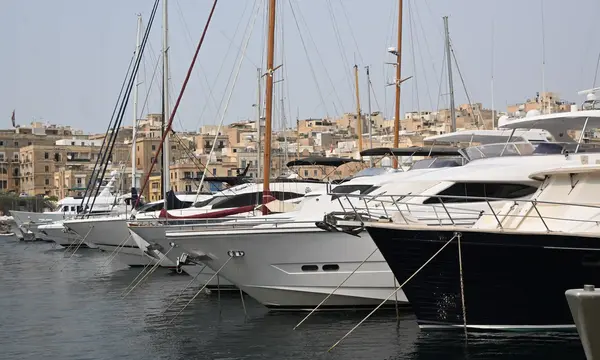
Malta combines large-yacht berthing with refit infrastructure and central Mediterranean access. We compare Grand Harbour, Marsamxett and Gozo options.

The strongest Caribbean marinas for large yachts combine berth capacity with depth, fuel, security, customs, provisioning and practical seasonal location.

Europe’s largest superyacht marinas are ranked by verified maximum yacht length, with historical duplicate records removed and operator data checked.
Superyacht Guide
Continue into the wider Superyacht Guide.