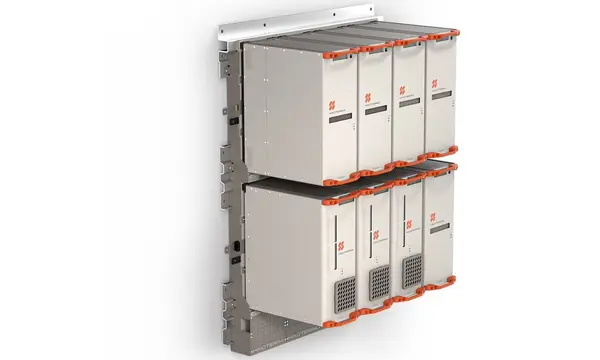
HikoTerra Expands Marine Hybrid Power Support Across Eight Regions
HikoTerra adds distributors and technical partners for the modular H⁴ Hybrid Power System, with configurations allowing up to 30kW of inversion and 96kWh of …
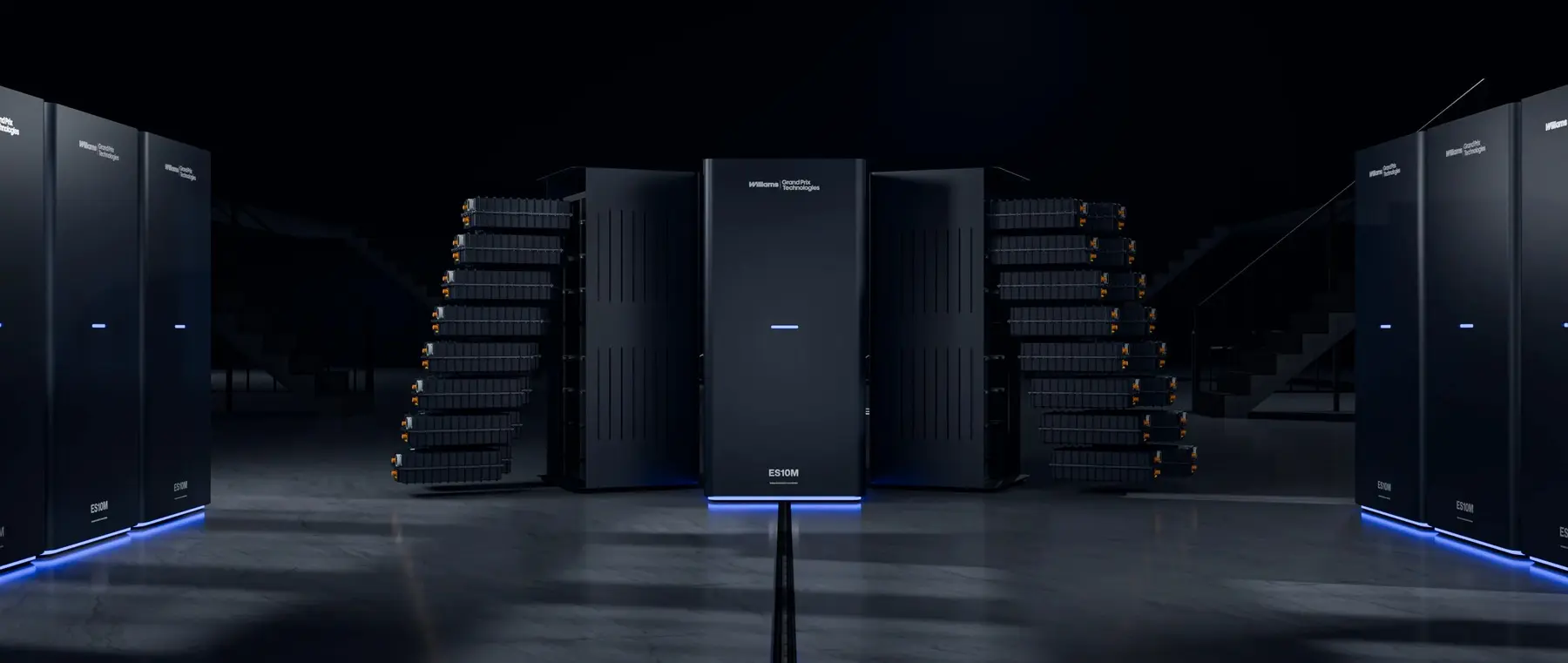
Williams Grand Prix Technologies' ES10M modular marine battery targets superyacht hybrid drives, hotel loads and refits, with physics-informed control and redundancy.
Williams Grand Prix Technologies is developing a new position in the marine energy market with ES10M, a modular battery platform designed for superyachts, explorer vessels, support craft and hybrid installations. Originally launched as the company's first dedicated marine product in July 2026, the system is now presented with detailed technical specifications and integration options for builders planning new yachts or significant refits.
The company is based in Grove, Oxfordshire, alongside the Atlassian Williams Formula 1 Team, and highlights the relevance of motorsport practices such as thermal management, high-quality telemetry and repeated validation. Those skills may translate into more predictable battery operation at sea, but marine installations also face salt exposure, vessel motion, demanding duty cycles and classification requirements that differ from racing.
ES10M is intended as a configurable part of an onboard electrical system rather than a self-contained replacement for the rest of a yacht's powerplant. Naval architects, electrical engineers and class surveyors must still design the protection, cooling, distribution, fire safety and monitoring around the installed modules.
According to Williams Grand Prix Technologies, a single ES10M module stores 9.8 kilowatt-hours and has a maximum mass of 49 kilograms. The company gives a module-level gravimetric energy density of around 200 watt-hours per kilogram, with larger installations arranged from smaller battery banks to multi-megawatt-hour systems.
The published material describes a modular design spanning roughly 39 kilowatt-hours to more than four megawatt-hours, while a separate specification section gives voltage configurations of approximately 200 to 900 volts. Such figures are engineering design envelopes, not a guarantee that every capacity and voltage combination will suit an individual yacht or meet its class requirements.
The system also incorporates individual cell protection, module monitoring and supervisory controls. Williams states that its approach can tolerate faults and operate with half the system connected, but the availability of that redundancy will depend on the architecture of the actual installation and the associated distribution equipment.
A distinguishing feature is the use of physics-informed predictive modelling to anticipate thermal behaviour, power demand and battery degradation. Unlike a simple state-of-charge indicator, this approach attempts to predict how operating conditions may affect battery capacity and the ability to deliver energy at a particular time.
On a superyacht, rapidly changing loads may arise when air conditioning, galley equipment, stabilisers, cranes or propulsion systems operate simultaneously. Understanding those demands in advance can assist a power-management system in making informed decisions about generator use and the battery capacity held in reserve.
Predictive software must nevertheless be evaluated under a vessel's real operating conditions. The manufacturer's description does not establish independently verified fuel savings or service life for every yacht, and prospective customers should ask how faults, sensor failures, software updates and crew overrides are handled.
One potential application is the provision of electrical power at anchor without running a generator continuously. That may reduce local noise and exhaust during certain periods, although the battery must subsequently be recharged and the full energy balance depends on the vessel's loads and how the electricity is produced.
Hybrid propulsion and electric tender systems are other relevant applications, particularly when the yacht's design leaves limited volume for a dedicated battery room. Williams says the platform is intended for both new construction and retrofits, but access to machinery spaces, cooling arrangements and structural weight limits remain central to feasibility.
The manufacturer lists Lloyd's Register certification as being in progress in its product information. That status must not be confused with a completed type approval or class endorsement of an installation. The ES10M therefore represents an emerging superyacht technology option whose final benefits should be assessed through detailed engineering and verified trials.
Continue reading
HikoTerra adds distributors and technical partners for the modular H⁴ Hybrid Power System, with configurations allowing up to 30kW of inversion and 96kWh of …
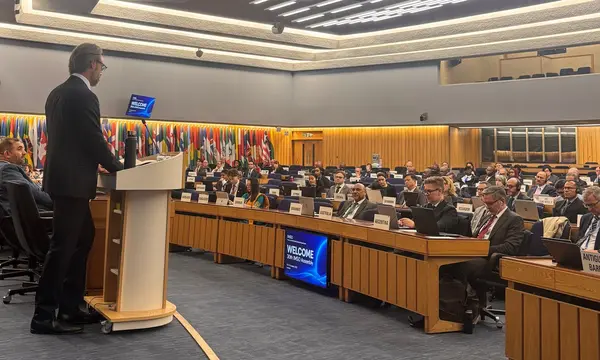
IMSO opens its 30th Assembly in London with delegates from 112 Parties reviewing GMDSS satellite distress service resilience and LRIT performance.
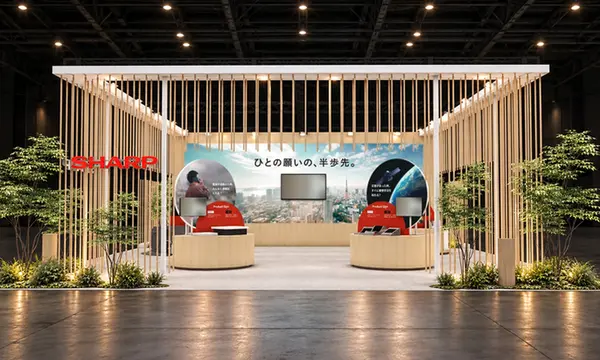
Sharp prepares to demonstrate its MEO/LEO tracking satellite user terminals at CEATEC 2026, with marine vessels among the planned mobile use cases.
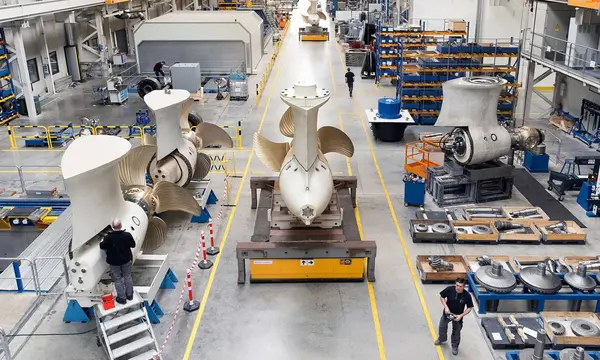
Schottel reports 20 superyachts on order with its forward-facing EcoPeller azimuth propulsion system, highlighting efficiency, manoeuvrability and reduced onboard noise.
Superyacht Guide
Continue into the wider Superyacht Guide.
Business opportunities · Superyacht Guide
Companies serving the superyacht market can discuss clearly identified advertising, sponsorship and business-profile opportunities. Commercial activity remains separate from independent editorial coverage.