
Williams Launches TurboJet MX 280 and 320 from £17,299
By Stephen Yardley · Edited by Stephen Yardley
Image: Williams Jet Tenders
Williams Jet Tenders has launched the 2.79m TurboJet 280MX and 3.19m 320MX, with prices from £17,299 and claimed top speeds up to 45mph.
Williams Jet Tenders has launched two new entry-level models, the TurboJet 280MX and TurboJet 320MX, with pricing intended to lower the cost of buying a new Williams jet tender. The company says the 280MX starts at £17,299 and the 320MX at £19,995, positioning the pair below comparable products while retaining the brand’s normal production and testing standards.
The new range is aimed broadly at yacht owners rather than the superyacht market alone, but compact jet tenders remain relevant to larger yachts where garage dimensions, lifting weight and ease of launch matter as much as outright passenger capacity. Williams says more than 5,000 of its tenders already operate in the 40–70ft yacht sector, giving the company a large replacement market for the new models.
The TurboJet 280MX measures 2.79 metres overall and uses a BRP Rotax ACE 903 60hp engine. Williams rates it for three adults and one child and quotes a top speed of 42mph, making it the smaller and lighter option where garage dimensions or handling weight are tightly constrained.
The TurboJet 320MX is 3.19 metres long, carries four adults and one child, and receives a 90hp engine with a claimed top speed of 45mph. The additional size and power increase passenger capacity without moving the tender into the much larger footprint associated with full-size chase boats or limousine tenders.
The manufacturer says the MX range is approximately 20 per cent less expensive at retail than comparable jet tenders on the market and around 30 per cent lighter than competing products. Those are company comparisons rather than independently verified market measurements, but both factors are relevant when a tender must fit within a yacht’s existing storage and lifting limits.
Lower tender weight can reduce the load placed on garage handling equipment, davits or cranes, while a lower purchase price can make replacement more attractive for owners of older tenders. Williams says it developed the models after recognising that inflation and slower new-boat sales had created pressure in the part of the market where many of its existing tenders operate.
Williams says production of the existing MiniJet 280 will stop in September, with yacht fitment moving to the new TurboJet MX platform. That makes the launch more than an additional pair of models because it changes the company’s entry point for new installations and for owners replacing older compact Williams tenders.
The MX models also receive revised upholstery, white or grey tube choices and handling changes developed through testing. The company says both versions are now available to order through its global dealer network, so the range is moving directly into production rather than being shown only as a concept.
On a superyacht, tender selection is often dictated by the available garage envelope before performance or styling is considered. Length, beam, dry weight, lifting points and engine configuration can determine whether a replacement tender can use the existing launch system without structural or machinery changes.
The new Williams models therefore offer a useful option where owners want modern jet-tender performance without increasing the tender package dramatically. Their strongest relevance is likely to be as compact owner, crew or watersports tenders rather than substitutes for the larger custom craft carried by today’s biggest yachts.
Explore
Go deeper into the yachts, companies, events and destinations directly connected to this article.
Continue reading

U-Boat Worx has completed Curaçao sea trials of its Super Sub and confirmed first-client delivery, with a 300m operating depth and nine-knot top speed.
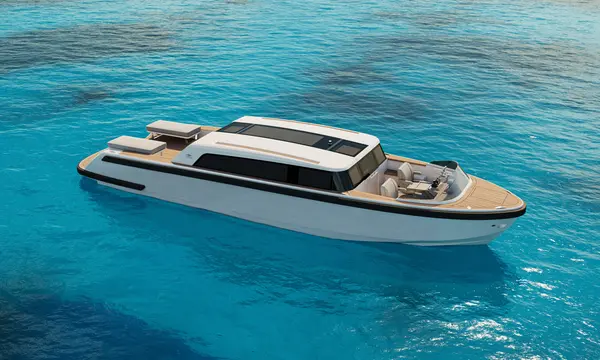
Castoldi’s new 10.5m JT34 Limo combines twin waterjet propulsion, an enclosed air-conditioned cabin and seating for 12 guests plus two crew.
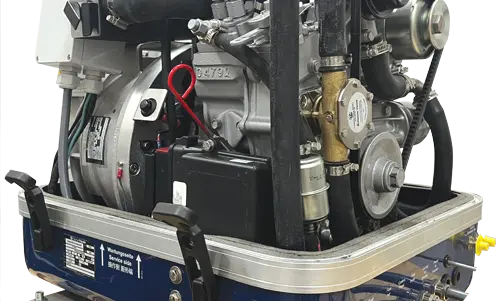
Fischer Panda has introduced the compact 5.5e inverter generator, rated at 5.5kW and designed for quiet variable-load marine electrical supply.
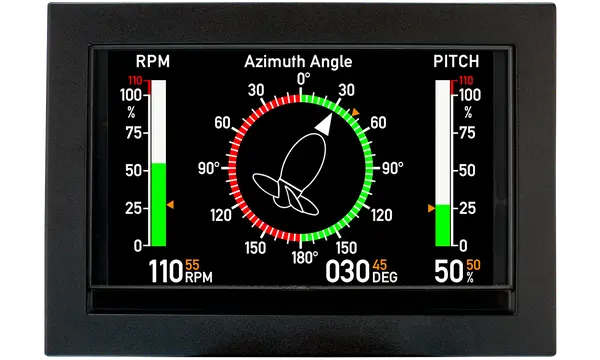
DEIF has previewed its next-generation XDi II digital bridge instrumentation alongside new wind and rudder-sensing hardware at SMM 2026.
Superyacht Guide
Continue into the wider Superyacht Guide.