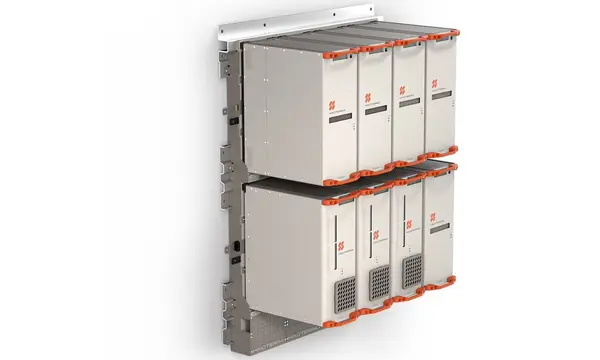
HikoTerra Expands Marine Hybrid Power Support Across Eight Regions
HikoTerra adds distributors and technical partners for the modular H⁴ Hybrid Power System, with configurations allowing up to 30kW of inversion and 96kWh of …
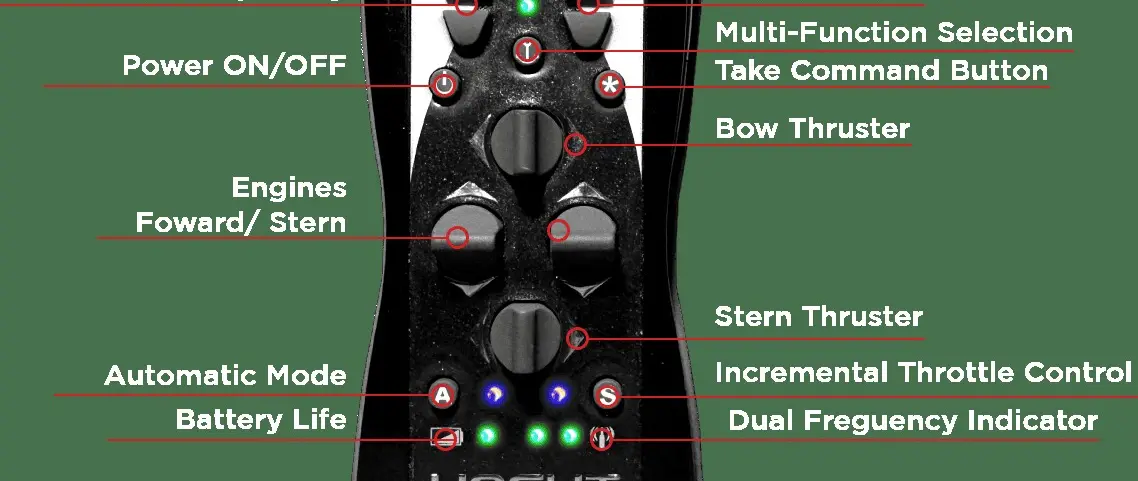
Yacht Controller's MAXIMO and SUPREMO wireless manoeuvring systems use dual-band radio, programmable propulsion profiles and remote diagnostics, raising new questions about integration on complex yachts.
Yacht Controller is highlighting a generation of wireless manoeuvring equipment designed to help captains position themselves where they can best judge a yacht's distance from the dock, quay or neighbouring vessel. Its MAXIMO range serves mid-sized yachts, while SUPREMO addresses larger superyachts that demand stronger communication arrangements and carefully integrated controls. The products are established developments rather than newly launched systems this October; the current focus is on their technical capabilities as yards and operators adopt increasingly digital helm architecture.
Berthing a large yacht can involve blind corners, rapidly changing wind pressure and different visual reference points at the bow and stern. A control device that travels with the operator can provide a better line of sight for particular movements. It does not reduce the importance of bridge-team coordination, a designated lookout and a clear plan for propulsion or thruster faults.
The manufacturer's MAXIMO information describes dual-band communication between a handheld controller and an onboard receiver that uses more than one radio channel. Channel scanning is intended to reduce susceptibility to interference in crowded marinas, where other wireless equipment and metal structures can complicate reliable communication. Redundancy is desirable, but the radio environment and approved installation still determine actual reliability.
The receiver uses a multi-core computing platform and a Wi-Fi interface to configure or diagnose the system using a phone, tablet or other suitable device. That wireless configuration connection serves a different function from the proprietary radio link used for actual command transmission. Operators should avoid assuming that a yacht's ordinary guest Wi-Fi network is itself the propulsion-control channel.
Older wireless manoeuvring products often concentrate on activating propulsion or thrusters in simple steps. MAXIMO and related systems offer settings for incremental or proportional speed and thruster operation where a yacht's existing control architecture supports those functions. The manufacturer describes selectable engine-response profiles that allow different ramp-up characteristics for different handling conditions.
That may be valuable when a captain needs a low-power movement close to a fuel dock but a more decisive response in an open basin with a crosswind. The settings nevertheless require careful commissioning. An inappropriate profile, an unmatched thruster interface or a misunderstanding of delayed response could make a stressful manoeuvre more difficult rather than safer.
SUPREMO is intended for superyachts above the smaller-vessel market served by MAXIMO, with equipment arrangements designed around longer distances and more complex onboard systems. The maker cites an extended operating range, additional antenna provisions and features such as two-way communication between the controller and receiver. Those are manufacturer specifications rather than verified performance measurements aboard a named vessel.
The larger yacht also requires a different operating procedure. Movement across a wide beam or long hull may be observed from positions that are not visible to other crew, making confirmation calls and explicit command authority essential. Many captains will use wireless controls as a supplementary station rather than replacing the bridge helm for normal navigation.
Yacht Controller's technology includes the ability to adjust parameters and undertake remote service through a properly configured network or VPN connection. This can reduce the need for every diagnostic action to wait for a technician's physical attendance, particularly when a yacht is travelling between ports. It also places configuration management, software revision records and remote access permissions firmly within the technical department's responsibilities.
Control systems connected to yacht networks must be treated differently from entertainment devices. Captains and engineers should understand who can change settings, how remote sessions are authorised and how the equipment behaves if a configuration service becomes unavailable. A convenient smartphone interface should not mean that operational security and formal change control are bypassed.
Training needs to involve the whole deck team rather than only the captain holding the transmitter. Crew members should know where the operator intends to stand, how commands will be communicated, when a tug or dockline team may be asked to hold position and what action is expected if the remote stops responding. Written procedures help prevent confusion when an unfamiliar relief captain takes over or a new officer is being introduced to the yacht's controls.
A proper installation review starts with compatibility between propulsion controls, bow and stern thrusters, optional anchoring functions and the vessel's existing safety interlocks. The yacht's builder and qualified specialist should confirm which functions are supported and which require extra interfaces. Operators should also check what happens on low transmitter battery, dropped radio communication or conflicting helm commands.
The attraction of modern wireless control lies in better visual positioning and more tailored vessel response, not independence from seamanship. The company's product material gives a detailed view of what the equipment is designed to do; the strongest evidence for any individual superyacht remains commissioning records, hands-on training and controlled trials in the vessel's own handling conditions.
Continue reading
HikoTerra adds distributors and technical partners for the modular H⁴ Hybrid Power System, with configurations allowing up to 30kW of inversion and 96kWh of …

IMSO opens its 30th Assembly in London with delegates from 112 Parties reviewing GMDSS satellite distress service resilience and LRIT performance.

Sharp prepares to demonstrate its MEO/LEO tracking satellite user terminals at CEATEC 2026, with marine vessels among the planned mobile use cases.
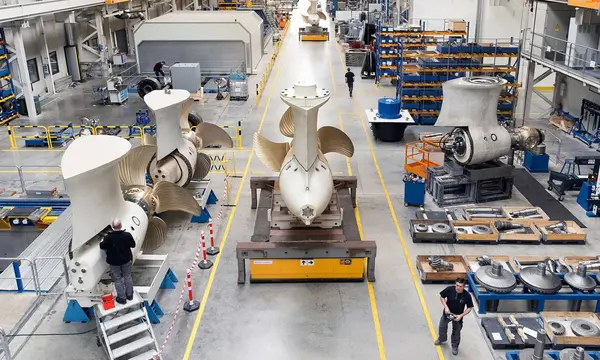
Schottel reports 20 superyachts on order with its forward-facing EcoPeller azimuth propulsion system, highlighting efficiency, manoeuvrability and reduced onboard noise.
Superyacht Guide
Continue into the wider Superyacht Guide.
Business opportunities · Superyacht Guide
Companies serving the superyacht market can discuss clearly identified advertising, sponsorship and business-profile opportunities. Commercial activity remains separate from independent editorial coverage.