Company
Yanmar Marine International
Explore the company profile and related Superyacht Guide coverage.
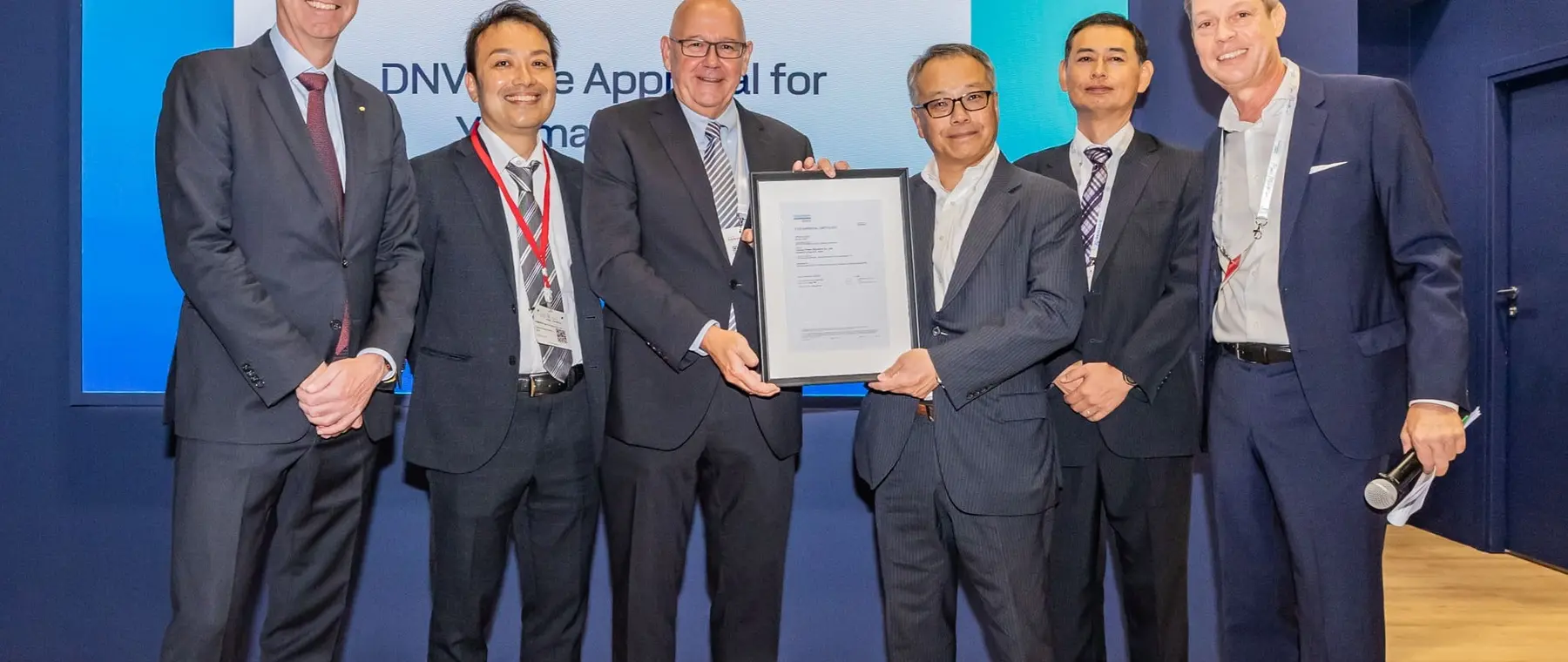
Image: DNV / Yanmar
Yanmar’s GH-FC maritime hydrogen fuel-cell series has received DNV Type Approval, strengthening the certification path for modular zero-emission marine power systems.
Yanmar has moved its maritime hydrogen programme another step toward commercial deployment after the GH-FC fuel-cell series received Type Approval from DNV. The approval confirms that the modular system complies with the classification society’s relevant rules and guidelines, reducing one of the practical certification hurdles faced by shipyards and system integrators considering hydrogen-based electrical power.
The development is important beyond commercial shipping because large yachts increasingly depend on high electrical loads for hotel services, stabilisation, climate control and auxiliary systems. A class-approved modular fuel-cell platform does not make hydrogen simple, but it gives designers a more mature component to evaluate when developing hybrid or low-emission power architectures.
Yanmar says it has been developing hydrogen fuel-cell technology since 2015 and commercialised its maritime systems in 2023. The latest approval therefore follows several years of operating experience rather than a purely conceptual programme, which is a meaningful distinction for owners and technical teams assessing whether emerging energy systems are ready to move aboard working vessels.
DNV’s Type Approval confirms the design against a defined classification framework and can reduce repetitive engineering work when the same approved product is considered for different projects. Individual vessel installations still require project-specific engineering and approval, but a type-approved core system can make the pathway more predictable for naval architects, yards and equipment integrators.
The GH-FC series is designed specifically for marine use and generates electricity through the electrochemical reaction of hydrogen and oxygen. Yanmar lists four output configurations of 80kW, 160kW, 240kW and 320kW, allowing installations to be scaled around different vessel requirements rather than forcing every project into one fixed power package.
During operation the fuel-cell stack produces no carbon dioxide from the electrochemical process itself. The wider environmental result still depends on how the hydrogen is produced, stored and delivered, so the technology should be viewed as one element of a complete energy system rather than a standalone guarantee of zero lifecycle emissions.
Yanmar says the GH-FC family has already been deployed or selected for several Japanese vessels, including the passenger vessel HANARIA, Tokyo Metropolitan Government workboats and the NYK cruise ship AMANE. Those projects give the manufacturer an operating base across different duty cycles and vessel sizes, which is especially useful as the technology moves toward wider international adoption.
For the superyacht sector, the near-term opportunity is likely to be targeted electrical generation or hybrid integration rather than wholesale replacement of conventional propulsion on every large yacht. Space, hydrogen storage, bunkering availability, redundancy and classification requirements remain major design questions, particularly on yachts expected to cruise internationally without a fixed operating base.
Large-yacht builders are already exploring methanol fuel cells, batteries, hybrid drives and alternative fuels as owners seek lower emissions without sacrificing range or hotel comfort. A modular hydrogen system with recognised class approval adds another credible option to that engineering toolkit, particularly for projects where silent electrical generation and reduced local emissions are priorities.
The significance of the DNV approval is therefore less about predicting that hydrogen will dominate the next generation of yachts and more about technology readiness. As more components arrive with established certification pathways and real operating histories, designers can compare them on engineering merit rather than treating them as experimental concepts with uncertain approval risk.
Explore
Go deeper into the yachts, companies, events and destinations directly connected to this article.
Company
Explore the company profile and related Superyacht Guide coverage.
Continue reading
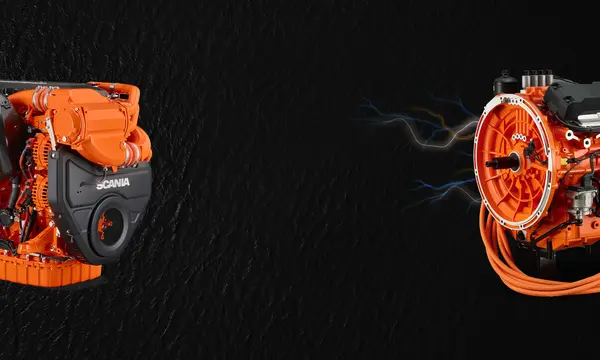
Scania is showcasing its 13-litre marine engine built on the Scania Super platform alongside hybrid systems and industrial battery technology.
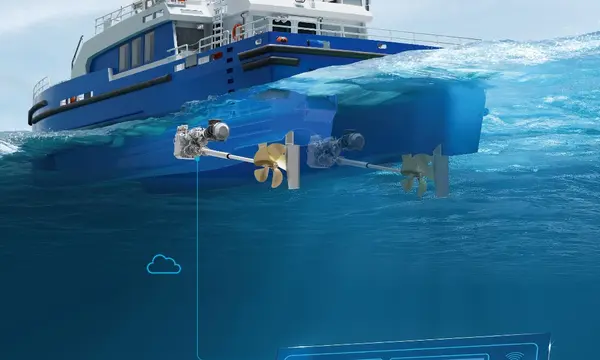
ZF is expanding its marine digital-services and control portfolio with condition monitoring and the latest AutoTroll low-speed manoeuvring system.
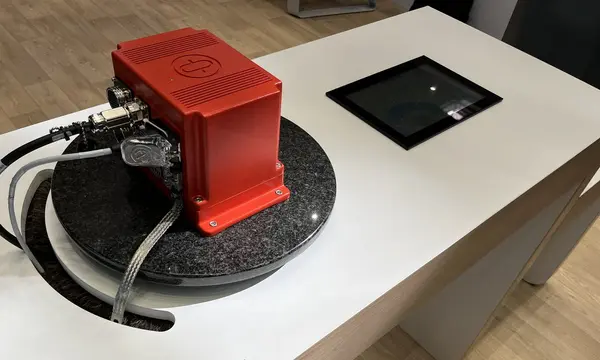
Anschütz has unveiled the Standard 100 MF, a maintenance-free gyrocompass designed for straightforward new-build and retrofit integration from 2027.
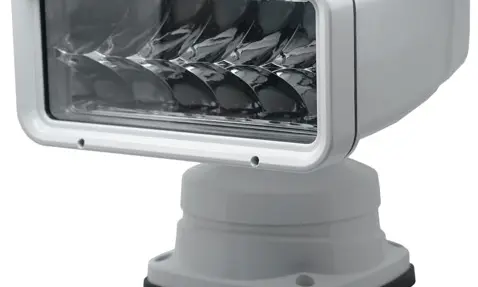
ACR Electronics has introduced the RCL-200 LED marine searchlight, delivering a 720,000-candela beam and up to 1,697 metres of stated beam distance.
Superyacht Guide
Continue into the wider Superyacht Guide.