
EU Marine Equipment Rules Change Under Regulation 2026/1434
By Stephen Yardley · Edited by Stephen Yardley
Image: DNV
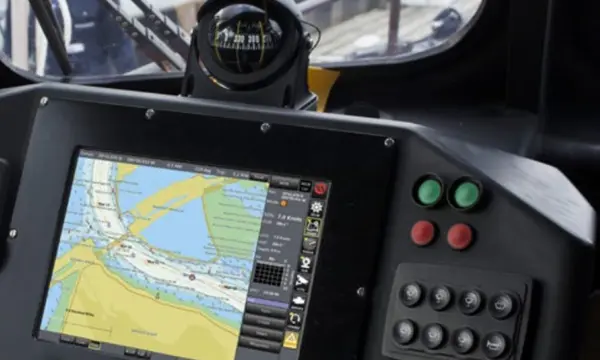
EU Regulation 2026/1434 updates Marine Equipment Directive testing and certification requirements for equipment including gyrocompasses, radios, EPIRBs and GMDSS systems.
DNV has highlighted changes to the European Union's Marine Equipment Directive regime after Implementing Regulation (EU) 2026/1434 entered into force on 31 August 2026. The 10th implementing regulation does not add new categories of marine equipment, but it updates approval, performance and testing standards across a wide range of products used on EU-flagged vessels.
The affected list reaches directly into superyacht bridge, radio, safety and machinery installations, including gyrocompasses, track-control systems, VHF and DSC radios, NAVTEX receivers, 406MHz EPIRBs and GMDSS satellite equipment. Fire-fighting components and portable gas-detection equipment are also among the items for which standards have been revised.
DNV says manufacturers must ensure applicable products comply with the updated implementing regulation from 31 August 2026. Declarations of Conformity issued after that date must reference Regulation 2026/1434, and some products may need new or additional testing before an updated MED certificate can be issued.
For yards and yacht technical teams, the practical issue is documentation as well as hardware because Wheelmark certification depends on the approved product and the conformity route behind it. A component that appears physically unchanged may still require updated paperwork or test evidence before it can be placed on the market for installation on an EU-flagged yacht.
Updated standards include MED items covering propeller-revolution indicators, track-control systems and gyrocompasses, alongside VHF radios capable of DSC and radiotelephony. The communications list also includes NAVTEX, EGC and HF maritime-safety-information receivers, MF/HF radio systems and integrated communication systems.
Satellite distress and safety equipment is included as well, with the regulation covering ship earth stations used for GMDSS, including Inmarsat FleetBroadband and Iridium equipment. That makes the update particularly relevant during newbuild specification and major bridge refits where several regulated products may be ordered, certified and installed within the same project.
The changes are not confined to electronics because updated rows also cover portable oxygen-analysis or gas-detection equipment and fixed water-based local-application fire-fighting components for Category A machinery spaces. These systems can be critical on large yachts with substantial engine rooms, fuel systems, garages and technical compartments.
DNV also notes that MED item 3.42a for the whole inert-gas system has been removed from the requirement list, meaning MED certification is no longer available for that item as a complete system. Technical teams therefore need to look at the exact item number and certification basis rather than assume every familiar Wheelmark route continues unchanged.
DNV says equipment that met national type-approval requirements before 23 September 2025 under the relevant transition provisions may continue to be placed on the market and installed on EU ships until 23 September 2028. The transition does not remove the need to verify that a particular product actually qualifies, so purchasers should check certificates and declarations against the applicable regulatory route.
For superyacht builders, managers and refit yards, the safest response is to review regulated equipment schedules early and confirm that supplier documentation matches the new regulation before installation. Doing so can prevent a late certification problem from delaying flag acceptance, class close-out or delivery when the physical equipment has already been fitted aboard.
Explore
Go deeper into the yachts, companies, events and destinations directly connected to this article.
Continue reading
The MCA is consulting on replacement Safety of Navigation Regulations for 2027, updating the UK implementation of SOLAS Chapter V and its navigation requirements.

MCA MIN 738 confirms that existing UK Ship Register registrations granted through the former EU/EEA eligibility route remain valid and can continue to be …

Greek authorities have released a Malta-flagged yacht after deficiencies identified during Port State Control following a fatal collision east of the Corinth Canal were …
Cayman Registry’s voluntary yacht notations cover enhanced fire protection, survivability, seaworthiness and future weight-growth margin under the REG Yacht Code.
Superyacht Guide
Continue into the wider Superyacht Guide.