Company
Fireboy Xintex UK Operations Ltd.
Explore the company profile and related Superyacht Guide coverage.
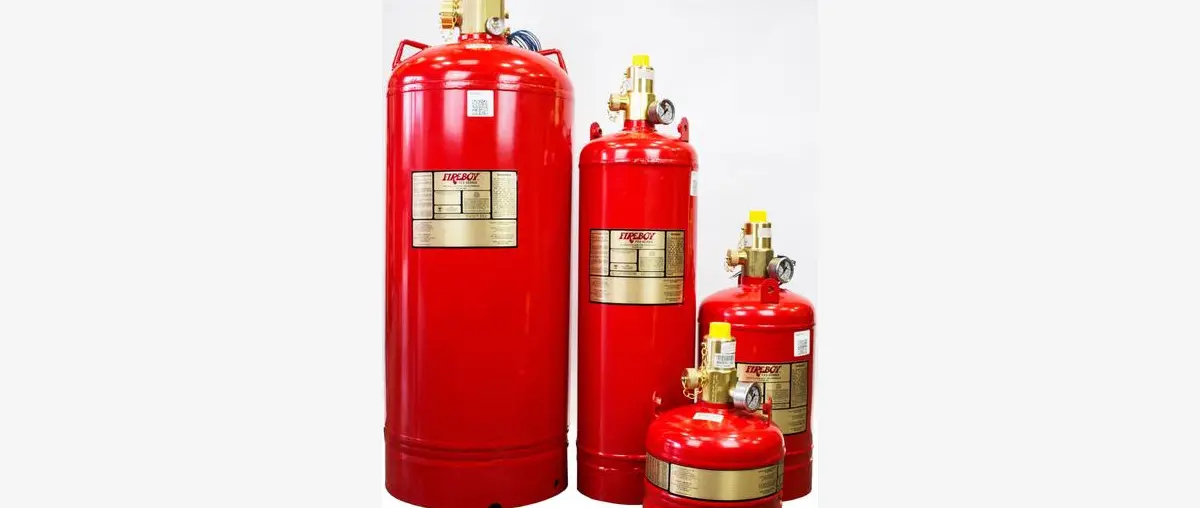
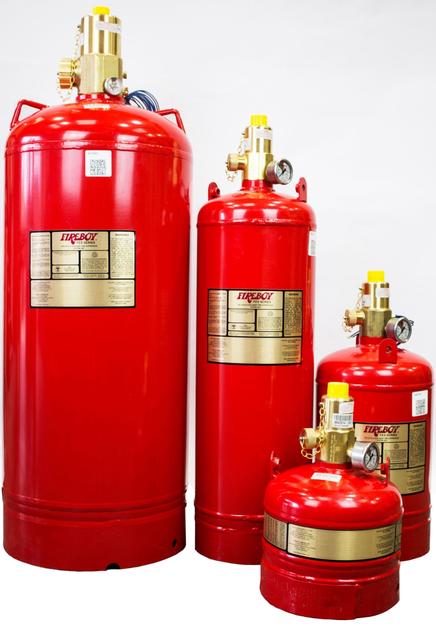
Fireboy FK-5-1-12 Engineered Fire Suppression Focuses on Superyacht Machinery Spaces — official manufacturer image SYG News 2026-11-24 batch02
Fireboy Xintex's FES engineered clean-agent suppression targets machinery spaces under SOLAS-related design principles, with approval and system checks essential.
Fireboy Xintex's FES engineered fire-suppression systems are part of the company's METSTRADE 2026 offering for machinery spaces on commercial vessels and superyachts. The UK supplier describes fixed systems using FK-5-1-12 clean agent, designed around IMO SOLAS requirements, with an electrical discharge arrangement and secondary manual activation. The official product entry also refers to Marine Equipment Directive and UK Marine Equipment Regulations approvals within the stated equipment scope. These details provide a useful basis for discussion because an engine-room fire can develop faster than a crew can safely investigate it. A properly engineered fixed system may be essential to a yacht's fire-safety strategy, but its effectiveness depends on the protected space, agent quantity, alarm integration, ventilation arrangements and trained human response—not simply on the name printed on the extinguishing cylinder.
The official METSTRADE product entry dates the FES system family to January 2012 and presents it within the Fireboy Xintex 2026 exhibitor portfolio. This report does not portray that longstanding system as a fresh 24 November 2026 launch. The current industry relevance is the specification and approval framework being shown to builders and refit professionals evaluating fire protection for large yachts. Fireboy also offers other technologies, including pre-engineered clean-agent equipment, detection systems and water-mist approaches. Those should not be confused with the FES engineered arrangement, which is tailored to a defined machinery-space application.
Engine rooms and associated technical compartments can contain fuel lines, hot surfaces, electrical equipment and rotating machinery. A fire may start in one component and spread to nearby materials or services if not controlled promptly. The detection and suppression strategy should therefore consider the layout, operating temperatures, ventilation and whether people may be working inside. A fixed extinguishing system aims to deliver the correct agent into a protected volume under defined conditions. Its presence does not eliminate fire-prevention practices such as managing fuel leaks, inspecting insulation and keeping engine spaces free of inappropriate stored materials.
FK-5-1-12 is a clean-agent extinguishing fluid used in certain engineered fire-suppression systems. Fireboy describes the agent as effective against Class A, B and C fire scenarios within the applicable system design. Such claims need to be read with the approvals and installation documentation because different hazards can require different protection arrangements. The chemical's name alone is not proof that it is appropriate for an arbitrary compartment or battery installation. A yacht's fire-safety designer must confirm compatibility with the actual fuels, equipment and enclosure. The agent is one element in a larger engineered system.
A pre-engineered product may be available for defined compartment volumes and a limited range of approved installation arrangements. An engineered system is typically designed for a specific protected space and approved hazard, with calculations and components selected accordingly. Fireboy's FES entry explicitly identifies the latter. An owner should not select cylinder size by a simple rule of thumb or copy an arrangement from another yacht. The qualified system designer needs accurate dimensions, leakage characteristics and equipment details. Changes made during a refit can alter the assumptions on which the original protection was based.
The manufacturer says the FES family has MED and UK MER approval and is intended to meet relevant IMO SOLAS requirements for Machinery Category A spaces. These are significant assertions, but the exact approval documents, system variants and conditions must be checked. A flag administration or classification society may require additional documentation, surveys or integration measures. A catalogue description does not independently certify every future installation. Buyers should obtain current certificates and design manuals for the specific equipment being procured and confirm that they cover the vessel's flag, intended service and hazard classification.
A fire-suppression system cannot be treated as an isolated electrical appliance. Personnel may be inside the machinery space when an alarm is raised or a discharge sequence begins. The design must address warnings, escape routes, release controls and applicable delay or lockout arrangements according to the governing approval. Crew need to understand what each audible or visual signal means and how to respond without endangering colleagues. It would be unsafe to recommend improvised discharge testing or to assume that an extinguishing agent is harmless merely because it is called clean. The established emergency procedures and approved system design control the response.
Fireboy describes an electrically operated discharge with a secondary manual activation method. The presence of two options can support operational flexibility, but reliability depends on how detection, alarms, power and releasing devices are integrated. The yacht's engineer should confirm what happens during loss of main electrical power and whether essential circuits remain available as designed. A manual release must be accessible from the approved location and protected against accidental operation. Testing should verify the electrical control chain in accordance with authorised procedures, without unnecessarily releasing the extinguishing agent.
Fixed clean-agent systems rely on maintaining an effective concentration in the protected space for the required period. Forced ventilation, open doors or unsealed penetrations may prevent the agent from reaching or maintaining that condition. A yacht's machinery ventilation and fire-damper arrangements therefore need to be coordinated with the suppression design. The safe sequence for stopping fans, closing dampers and isolating equipment will follow the approved system specification. It is not enough to install a cylinder and assume that the agent will distribute correctly through a continuously ventilated engine room. Ventilation shutdown and enclosure integrity are central engineering questions.
Machinery rooms can include decks, bilges, cable runs, tanks and equipment that divide or obstruct the volume. A system designer needs to understand how the agent will enter the space and whether the intended discharge arrangements provide appropriate distribution. The exact number and location of nozzles cannot be inferred from a generic photograph. Structural changes, new equipment or additional partitions may invalidate an earlier calculation. This is why a refit should trigger a review of the fire-suppression plan whenever the protected space is materially altered. Protection needs to remain matched to the actual compartment, not a drawing that is years out of date.
A fixed extinguishing system can be manually activated or linked to approved detection and alarm arrangements. The specific interface must be determined by the yacht's installation. Heat, smoke or other detectors may provide useful early warning, but no detector is infallible under every engine-room condition. A robust plan considers fault monitoring and the difference between a confirmed fire, an equipment warning and a system failure. Bridge and engineering crews need clear indications so that they know whether to evacuate, investigate or follow the release sequence. Integration should not create ambiguity during an emergency.
A superyacht could contain a main engine room, generator compartments, technical workshops, fuel-handling spaces and battery areas. Different hazards and regulations can apply to each. The Fireboy FES system is described for Machinery Category A spaces; that description should not be extended automatically to every electrical or battery hazard on board. A yacht's fire protection schedule should identify each compartment and its approved method of protection. If an owner adds an auxiliary power installation, the risk assessment and suppression strategy may need updating. One brand's product portfolio should not be confused with a universal solution for all types of onboard fire.
Lithium battery installations have distinct potential failure modes, including thermal runaway and the possibility of re-ignition. A clean-agent system designed for an engine room cannot automatically be assumed to prevent or control every stage of a battery event. Fireboy markets other solutions and technologies for specific applications, but each requires separate technical review. Engineers should follow the battery maker's guidance, class rules and qualified fire-protection advice. The article does not claim that FK-5-1-12 extinguishes all battery-cell thermal runaway or that one system removes the need for temperature and gas monitoring where required.
On an existing yacht, a new fire-suppression installation may need access to service spaces, cylinder storage positions, cable routes and approved discharge outlets. The project must also address structural penetrations and the position of ventilation controls. Older alarm panels may not support every new function without modification. A dry-dock or machinery shutdown period can provide access for the work, but a credible estimate should consider documentation, surveys and commissioning as well as fitting the hardware. Replacing an extinguishing system is not a simple like-for-like exercise unless the full approved arrangement and its interfaces have been reviewed.
Even an approved fixed system is of limited use if the crew do not understand its alarms, release controls and post-discharge restrictions. Captains should arrange training that fits the vessel's emergency organisation and approved fire plan. Exercises can cover communications, evacuation, compartment isolation and the responsibilities of different team members. Unauthorised discharge, bypassing safety interlocks or opening a protected space before it is safe are not suitable training methods. Drills should use authorised simulations or controlled procedures and preserve the integrity of the installed equipment. A written guide must be accessible to new crew joining the yacht mid-season.
Pressure vessels, release devices, distribution piping and detection interfaces are subject to inspection and maintenance requirements. These may include approved service intervals, records and replacement criteria. A crew should know how to recognise an alarm or visible damage, but servicing pressurised suppression equipment may require competent authorised technicians. The supplier's current documentation should define what can be checked onboard and what must be handled by a service provider. A global-cruising superyacht should also plan where approved inspection and parts support are available, because an overdue or defective system can create operational and regulatory complications.
A proper acceptance programme should verify the protected-space dimensions, installation drawings, discharge calculations, nozzle and pipe arrangement, electrical interfaces, alarm logic and approved control functions. A functional test can confirm selected operations without releasing the full agent charge, using the method authorised by the supplier and surveyor. The purpose is to demonstrate that the installed components behave as designed in realistic failure and operating conditions. Results should be recorded for future survey and maintenance. The article does not suggest any unsafe shortcut or release procedure; these systems must be commissioned by qualified personnel under the applicable requirements.
Clean-agent technology can avoid some forms of residue associated with other extinguishing methods, but that does not automatically make it risk-free for people or the environment. Agent properties, decomposition products under fire conditions and applicable restrictions should be reviewed in the product safety documentation. The environmental profile of any extinguishing fluid also involves manufacture, emissions and recovery. Fireboy's exhibition description identifies the selected agent and approvals, not a universal lifecycle assessment. Owners should consider environmental characteristics alongside system effectiveness, certification and the consequences of an unprotected machinery fire.
The lead photograph is an original Fireboy Xintex FES FK-5-1-12 product image from the supplier's official METSTRADE catalogue entry. It is credited to Fireboy Xintex and illustrates the engineered fire-suppression family being discussed, not a generic firefighting stock image or proof of a specific installation. The manufacturer provides the clean-agent, approval and activation descriptions. This newsroom has not surveyed a superyacht's fire-protection system or independently validated a manufacturer certificate for a new design. All operational and regulatory comments are presented as engineering considerations requiring project-specific approval.
Fireboy's current exhibition profile is a reminder that some of the most important technologies aboard a superyacht are designed to be used rarely. A fixed machinery-space suppression system may remain in the background for years, yet during an emergency its installation details and crew procedures become critical. The FES family provides a particular clean-agent option for qualified designers to evaluate. Owners should look beyond the product name to the exact approval, protected volume, alarm integration, ventilation shutdown, commissioning and servicing arrangements. The best fire-safety system is not merely installed; it is documented, maintained and understood by the people who depend on it.
Primary source: Fireboy Xintex first-party FES FK-5-1-12 system specification at METSTRADE 2026.
© Fireboy Xintex. Manufacturer-submitted FES clean-agent fire suppression system photograph. Official source.
© Fireboy Xintex. Manufacturer-submitted FES clean-agent fire suppression system photograph.
Explore
Go deeper into the yachts, companies, events and destinations directly connected to this article.
Company
Explore the company profile and related Superyacht Guide coverage.
Continue reading
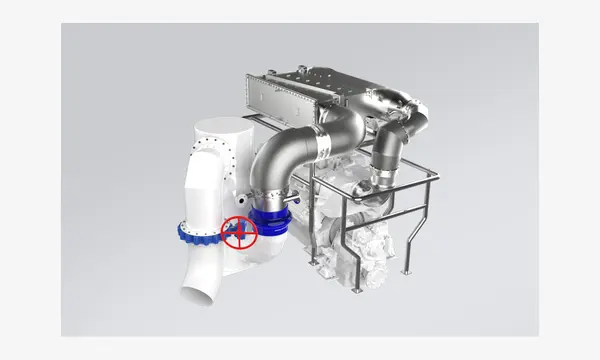
Hug Engineering presents a compact selective catalytic reduction arrangement intended to reduce nitrogen-oxide emissions from larger yacht engines.
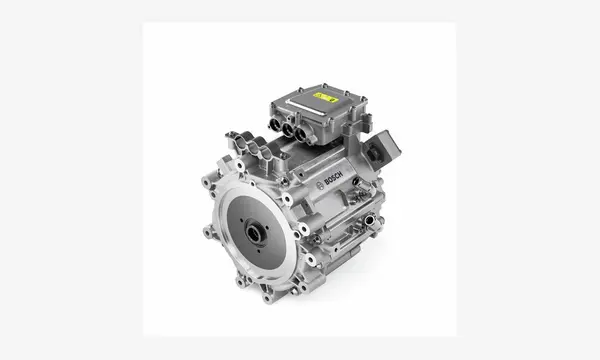
Bosch Engineering's 800V SMG230 electric motor brings a stated 200kW capability to marine power design, with installation and high-voltage safety under review.
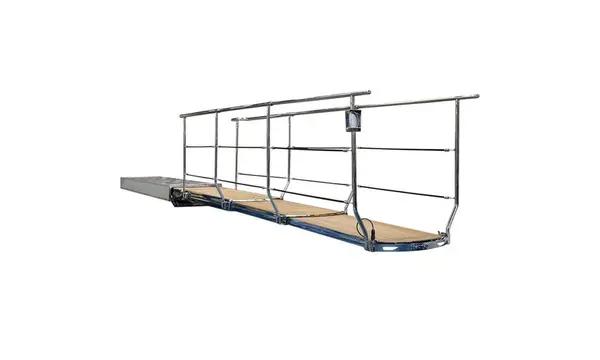
Opacmare details VIPER 1181 stainless-steel telescopic gangways with hydraulic actuation, multiple sections and a 150kg boarding limit at METSTRADE for crews.
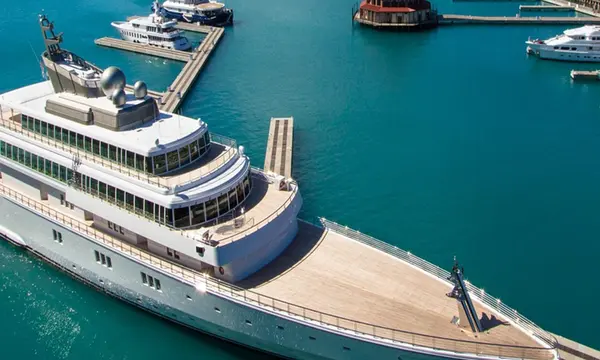
Aon Italia's Paolo Mascino identifies crew liability and shipyard insurance as critical issues for superyacht owners, covering P&I and refit risk allocation.
Superyacht Guide
Continue into the wider Superyacht Guide.
Business opportunities · Superyacht Guide
Companies serving the superyacht market can discuss clearly identified advertising, sponsorship and business-profile opportunities. Commercial activity remains separate from independent editorial coverage.