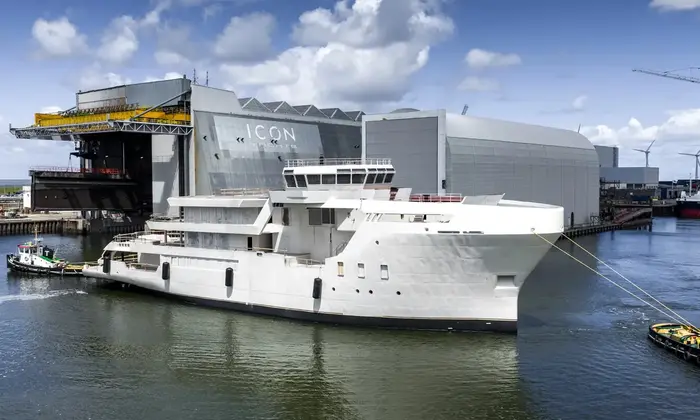
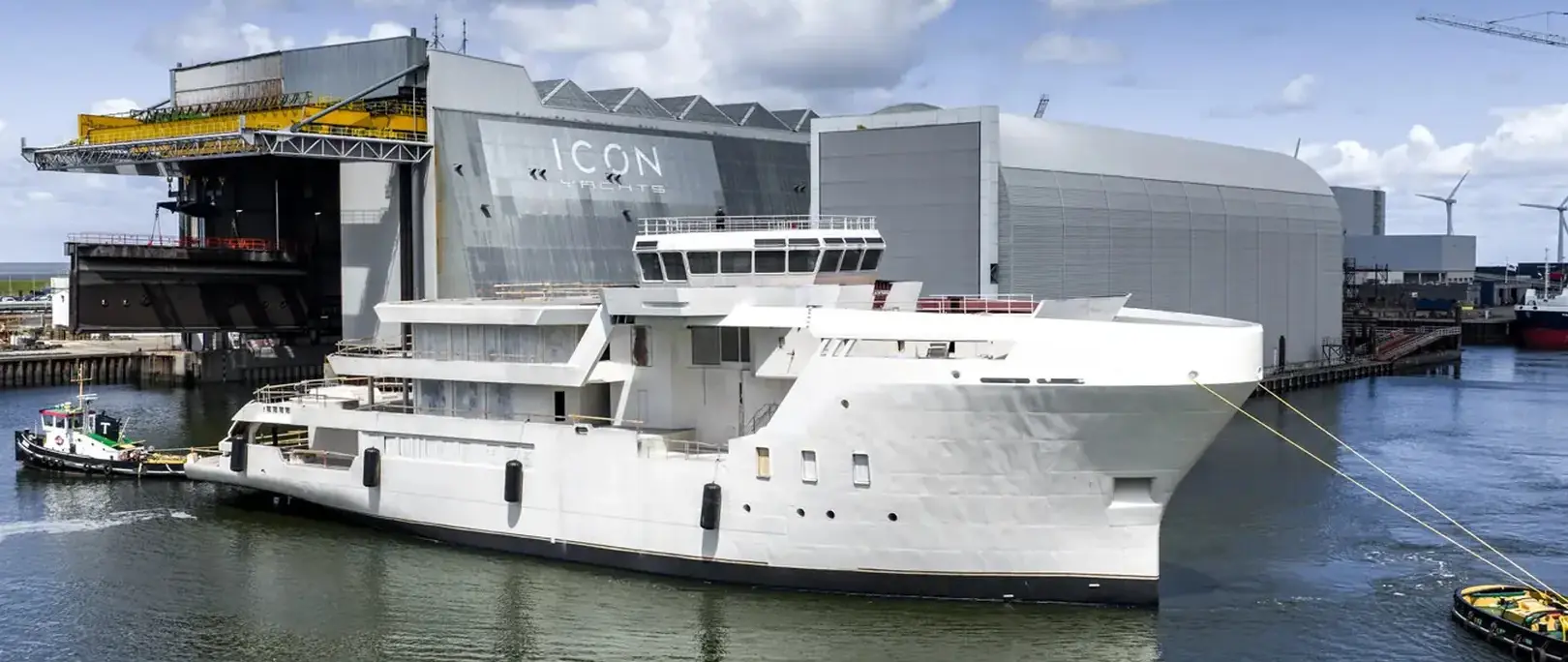
Fraser has revisited the North Sea working-vessel origins of 70m Project MASTER, tracing how Ocean Ness became the platform for ICON Yachts' explorer conversion.
Fraser has revisited the working-vessel origins of Project MASTER, the 70-metre explorer conversion underway at ICON Yachts, focusing on the North Sea engineering that existed long before the vessel became a yacht project. The brokerage's 24 August feature argues that the strength of MASTER's present platform is rooted in the demands placed on Ocean Ness during her former life as an emergency response and rescue vessel.
Before the conversion, Ocean Ness was designed for difficult offshore operations in the North Sea, where reserve buoyancy, damage survivability, storage capacity and heavy-weather capability were fundamental rather than optional. Fraser links that engineering background to the development of offshore rescue vessels and the safety lessons that reshaped North Sea operations after major industry disasters.
ICON Yachts records an earlier chapter in the vessel's history, stating that the platform was built in Norway by Kleven Verft in 2001 as MV HAVILA TIGRIS to a Rolls-Royce/Ulstein design. The shipyard says she was sold in 2007, renamed MV OCEAN NESS and subsequently operated from Aberdeen as part of Atlantic Offshore's emergency-response fleet.
Fraser identifies the vessel's deep forefoot, high freeboard, substantial scantlings and reserve buoyancy as characteristics developed for a demanding commercial role rather than added later for an explorer-yacht brief. Those attributes now form the structural basis for a conversion intended to combine long-range autonomy with the ability to operate in remote and difficult waters.
The choice of platform was also central to the 2025 technical launch milestone at ICON Yachts, when Fraser said the first conversion phase had included a stern extension, new steel superstructure and installation of the eVSP drive units. At that stage the vessel moved into the shipyard's enclosed dry dock for outfitting, retaining the robust bow and core working-vessel character while the yacht architecture developed around it.
Fraser's current sales profile lists Project MASTER at 70 metres overall with a 15-metre beam and approximately 2,801 GT, giving the conversion unusually large volume for its length. The same profile provides accommodation for 12 guests in six staterooms with up to 25 crew, while Espen Øino International is responsible for the exterior design and Winch Design for the interior.
The machinery package is built around hybrid diesel-electric generation and two electric Voith Schneider eVSP propulsion units, with five Scania generators supplying the electrical system. Fraser currently quotes a 6,700-nautical-mile range at 10 knots, a 14-knot maximum speed and Polar Code C capability alongside IMO Tier III compliance, with the propulsion arrangement also supporting dynamic positioning and stabilisation.
Exploration equipment is a major part of the layout rather than an accessory added to a conventional yacht platform. Fraser lists a commercially certified helideck for a 4.3-tonne helicopter, two 11.75-metre heavy-duty tenders and a private owner's deck, while ICON's project material also places research and scientific activity within the intended operating programme.
Project MASTER is currently offered for sale by Fraser at €99.5 million, and the brokerage's current profile says the yacht is scheduled for delivery in 2028. That commercial position makes the conversion not only an engineering project but also a live opportunity for a buyer entering during the remaining outfitting programme.
The latest Fraser feature is therefore less about introducing a new specification than explaining why the existing platform matters to the finished yacht. Project MASTER's transformation depends on new propulsion, new accommodation and extensive structural work, but the qualities that made Ocean Ness suitable for North Sea rescue operations remain central to the explorer yacht that ICON Yachts is creating.
Explore
Go deeper into the yachts, companies, events and destinations directly connected to this article.
Continue reading
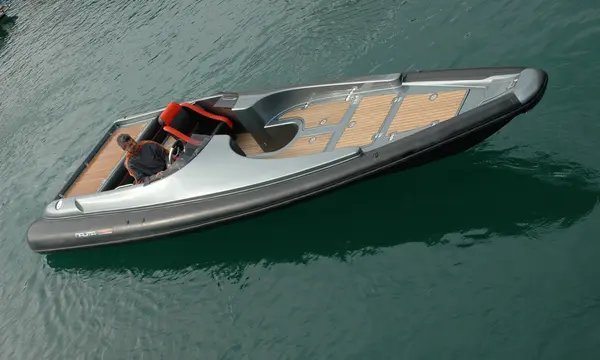
Naumatec's redesigned 7.98m Freccia 800 combines sports-tender performance with a more relaxed guest layout, after its presentation at the 2026 Monaco Yacht Show.
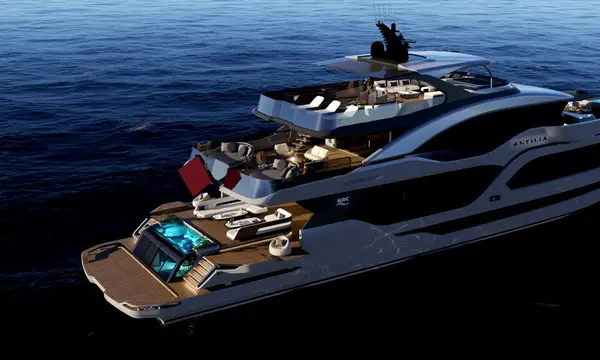
KRC Yachting has shared updated visuals of the 43m ANTILIA concept, with steel hull, aluminium superstructure, twelve guests and an intended two-year build programme.
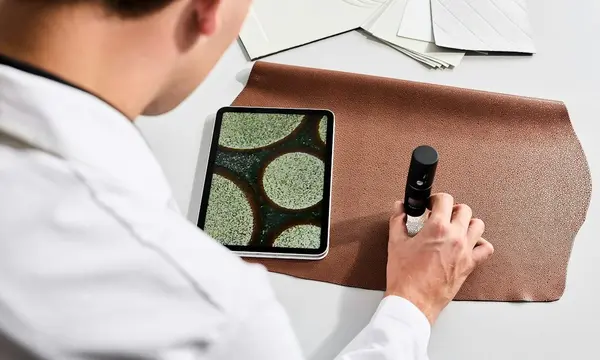
Silverlining Furniture and F/YACHTING describe how owner-led bespoke furniture and engineered marine craftsmanship are shaping high-end superyacht interiors.
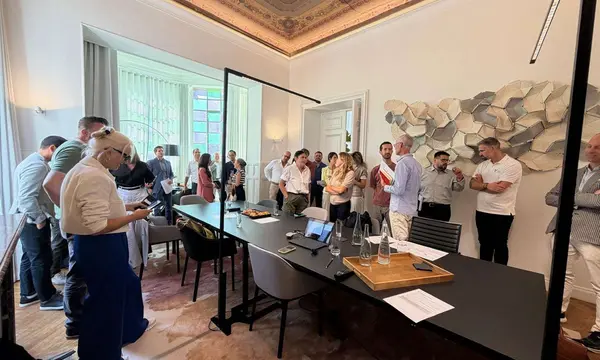
More than 40 yacht-industry professionals joined a Smart Interiors Horizon workshop at Zuretti Design in Nice to discuss practical decisions about responsible interior materials.
Superyacht Guide
Continue into the wider Superyacht Guide.
Business opportunities · Superyacht Guide
Companies serving the superyacht market can discuss clearly identified advertising, sponsorship and business-profile opportunities. Commercial activity remains separate from independent editorial coverage.