Company
International Maritime Organization
Explore the company profile and related Superyacht Guide coverage.
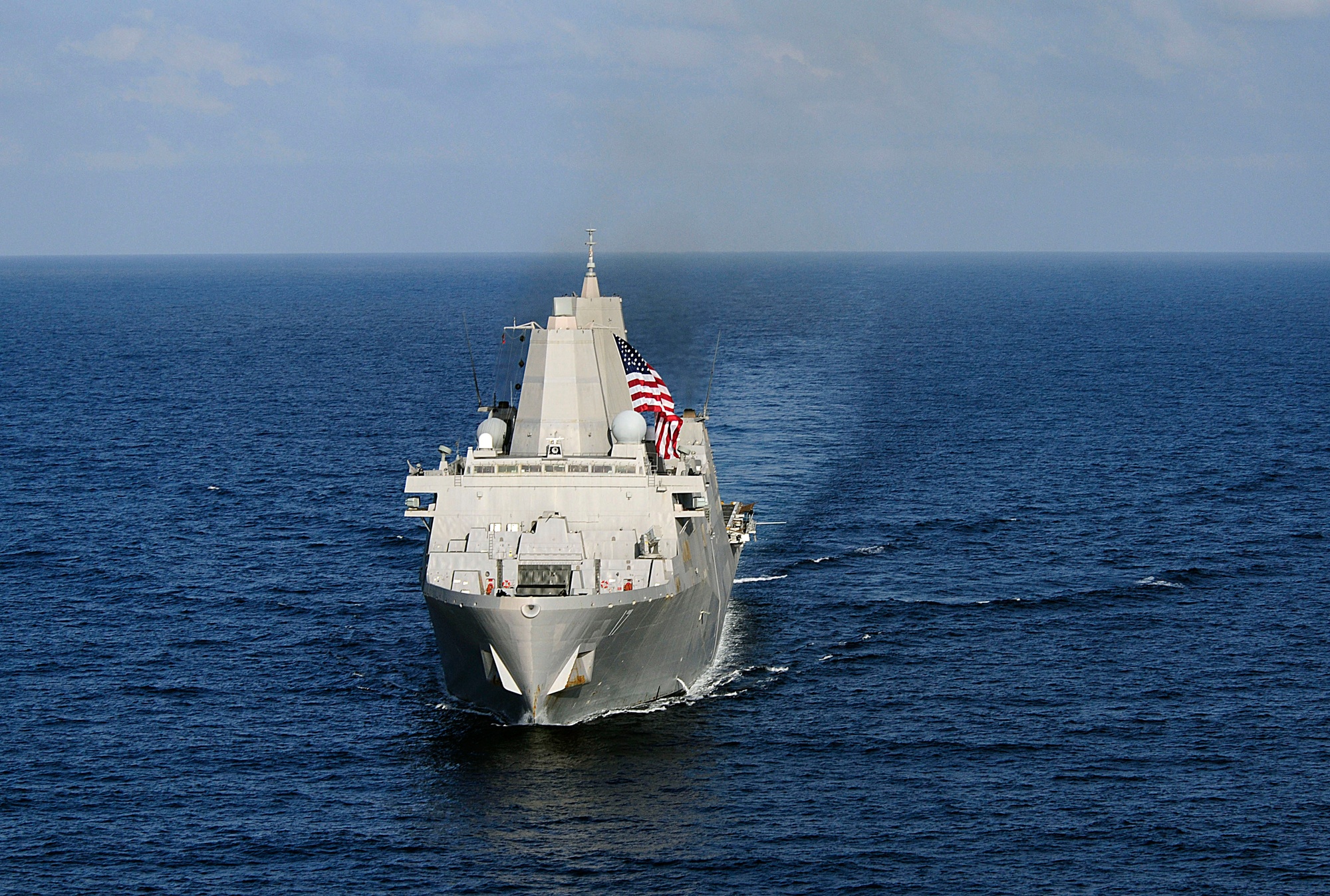
US Navy USS San Antonio transiting Gulf of Aden for Combined Task Force 151 in January 2009 archival press photograph
Regional maritime authorities endorse a security framework for the western Indian Ocean, raising fresh questions for superyacht passage planning and management.
A regional maritime security initiative endorsed in Madagascar this month is worth close attention from superyacht operators preparing voyages between the Mediterranean, the Arabian Peninsula and the Indian Ocean. The International Maritime Organization has reported that countries participating in the Djibouti Code of Conduct and its Jeddah Amendment advanced a collaborative security framework during meetings in Kenya and Madagascar. Subsequently, Combined Maritime Forces reported its own participation in the preparatory discussions. The development is a policy milestone, not an announcement that particular sea routes are now safe.
The importance of the news to the large yacht sector lies in the relationship between shore-side coordination and the decisions a captain has to make at sea. A yacht undertaking a long repositioning voyage depends not only on appropriate navigation and reliable machinery but on a clear understanding of the security environment, emergency support and the conditions under which its voyage may need to be reconsidered. The latest institutional programme provides a reason for management teams to review how those preparations are organised.
The IMO described the work undertaken in Mombasa from 2 to 6 November as an effort to align national security priorities across the region. The resulting strategy, implementation plan and risk register subsequently received endorsement at the high-level meeting in Antananarivo from 11 to 13 November.
These are distinct planning instruments rather than a single operational instruction issued to vessels. In broad terms, the strategy establishes the direction of cooperation, while the implementation plan translates intentions into responsibilities and activities. The risk register gives participating authorities a structured way of considering threats that may cross national boundaries.
Combined Maritime Forces confirmed on 12 November that representatives of its Combined Task Force 154 had joined the workshop, alongside specialists from 13 countries. Its account places particular emphasis on the exchange of information and closer coordination between maritime institutions.
The programme does not provide a voyage clearance for private vessels, guarantee the availability of an escort or supersede the responsibilities of an individual flag administration. Superyacht operators should therefore treat the initiative as an important development in the wider security architecture rather than as operational authority to depart.
The western side of the Indian Ocean encompasses destinations of particular significance to expedition and charter yachts. There are established connections between East Africa, island destinations and the Indian subcontinent, as well as routes towards the Red Sea and the eastern Mediterranean. A yacht may cruise within the region for an entire season or simply enter its waters while travelling between established bases.
Those patterns differ from those of many commercial vessels. A yacht may have a less predictable operating timetable, spend extended periods at anchor and carry guests unfamiliar with emergency procedures. Its passage may also be affected by the demands of a charter booking or the availability of specialist maintenance at a future destination.
These differences mean that commercial shipping guidance should be interpreted with care before being applied to a yacht. A large fuel capacity or extended cruising range does not eliminate risk. Likewise, a vessel registered for private rather than commercial use is not necessarily immune to the dangers confronting other mariners.
The latest regional initiative is relevant because yachts and commercial ships share many of the same geographic constraints, even where their operating profiles are considerably different.
The quality of a captain's decision depends partly on whether information received ashore can be converted into a usable understanding of the voyage. A general report discussing maritime insecurity across a wide area does not tell a bridge team whether an individual passage remains acceptable on any given day.
Owners and managers should establish where authoritative notices are obtained, how their currency is checked and who is responsible for ensuring that a change in the situation reaches the vessel. Information should be evaluated in context, taking account of the intended route, the timing of a passage and the characteristics of the yacht.
A decision record can help the people responsible for a vessel understand what was known at the time. Such a record should distinguish official notices, professional security assessments and less reliable reports. An operational decision should not depend exclusively on an unverified message circulated through a yacht-industry social group.
The potential benefit of greater cooperation between maritime authorities is that information may become more coherent and actionable. Whether that benefit is realised will depend on the implementation of the strategy, the quality of reporting and the connections between participating institutions.
Superyachts may operate under a variety of registration arrangements. An owner using a vessel privately may have a different set of applicable requirements from an operator carrying charter guests. A yacht's size, flag, tonnage and intended use can also affect its obligations.
It is therefore not sufficient to take a procedure developed for one category of shipping and assume it applies universally. Managers should consult the yacht's own governing documents and authoritative advice for its flag and intended cruising area. Where a formal security plan or additional arrangements are required, the relevant professionals must establish how these requirements should be met.
There is nevertheless a practical principle that applies across ownership models: the safety of the people aboard must take precedence over the convenience of a planned itinerary. A charter contract or the owner's desire to attend an event ashore should not determine the acceptability of a passage independently of a professional risk assessment.
The ability to change course is a valuable part of responsible voyage preparation. Before committing to a region, the management team should consider whether there are realistic alternatives if conditions deteriorate or a scheduled destination becomes unavailable.
A diversion can have consequences for fuel, stores, shore access, onward transport and crew arrangements. It may also alter the nature of an existing charter agreement or introduce complications for visitors entering a different jurisdiction.
Yacht managers can reduce avoidable uncertainty by identifying who is authorised to approve significant changes and by making sure the necessary contact arrangements remain current. A large yacht may be capable of remaining at sea for an extended period, but that capability should not be confused with a complete contingency plan.
The owner should also receive a clear explanation of the circumstances in which a revised itinerary may be necessary. Agreeing this principle before departure is preferable to resolving a disagreement when a captain is already dealing with a changing operational situation.
Security-related decisions can affect engineering, hospitality and personnel departments. A revised port call may change the availability of technical assistance or medical facilities. A longer passage may require different provisions and a reconsideration of the work planned for the crew.
These factors illustrate why voyage planning is a management responsibility as well as a navigation task. The master retains the applicable responsibilities for the vessel, while the shore-based team can help ensure that the information and resources needed for prudent decisions remain available.
The institutional strategy reported by IMO encompasses a broad range of maritime security challenges. Its scope matters because disruptions do not arise solely from piracy. Criminal activity, regional conflict and threats to infrastructure may create different problems for vessels and the ports serving them. Yacht operators should avoid reducing all security planning to a single category of threat.
A security development may also affect businesses that have no direct responsibility for navigating a yacht. Charter brokers, agents, marinas and destination specialists need to be able to discuss potential changes without offering inappropriate assurances.
A destination business can help the yacht establish reliable information about local facilities, contacts and practical arrangements. It cannot independently guarantee the safety of an ocean passage. Similarly, a broker can help manage the contractual implications of changing an itinerary but should not replace the judgement of the vessel's operational leadership.
Clear communication among these businesses can reduce the likelihood of guests receiving contradictory messages. It is particularly useful to establish who will communicate changes and what information can responsibly be shared about the reasons for them.
The Madagascar endorsement represents further development of an initiative intended to improve regional cooperation. It does not establish that a new response capability is already fully available. Future reporting on the implementation of the regional programme will be important, particularly where authorities clarify incident-reporting arrangements and how cross-border cooperation works in practice.
The relevant test for yacht operators is whether new institutional arrangements produce clearer, reliable information and effective support. Until those changes can be demonstrated, operators should continue to make each voyage decision using current official notices and qualified advice.
For a sector that depends on the freedom to explore distant coastlines while safeguarding crew and guests, effective maritime cooperation is consequential. The November announcements provide a timely opportunity to examine the relationship between commercial ambitions, institutional developments and prudent shipboard management. They should not be interpreted as an instruction to proceed through any particular area or as a declaration that risks have diminished.
Primary source: International Maritime Organization, regional maritime security strategy update, 9 November 2026, subsequently updated.
Further information: Combined Maritime Forces official workshop release, 12 November 2026.
Photograph: U.S. Navy, DVIDS image 144163, 12 January 2009. Archival illustration of regional naval cooperation; not the November 2026 workshop or a current deployment. Official source.
Explore
Go deeper into the yachts, companies, events and destinations directly connected to this article.
Company
Explore the company profile and related Superyacht Guide coverage.
Continue reading

While guests sleep through an overnight passage, bridge and engineering teams remain fully engaged. Watchkeeping, machinery monitoring, fatigue control and arrival planning make the …
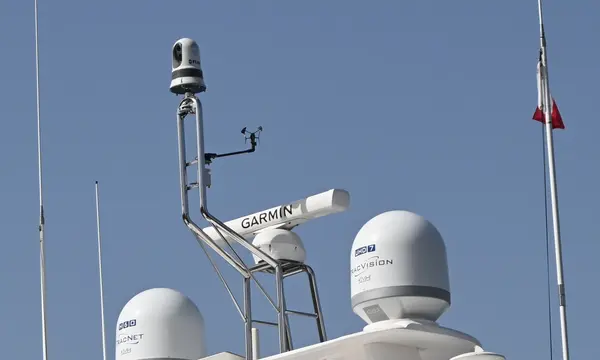
Superyachts can expose far more than their location. AIS, connected systems, ownership records, suppliers and human activity can collectively reveal owners, guests and itineraries.
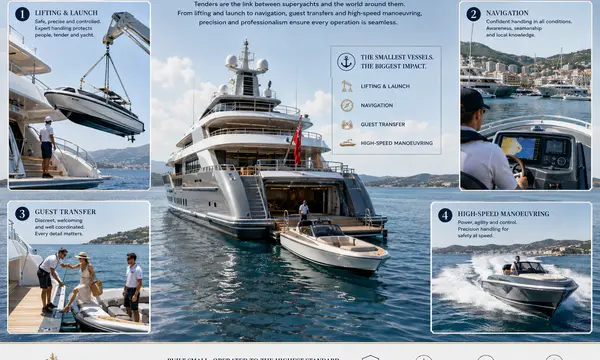
A tender may be one of the smallest vessels in a superyacht operation, but it combines lifting, navigation, passenger transfer and high-speed manoeuvring in …
IMO prepares its 20 November launch of NextWave phase two, aiming to expand supervised onboard training opportunities for officer cadets from developing countries.
Superyacht Guide
Continue into the wider Superyacht Guide.
Business opportunities · Superyacht Guide
Companies serving the superyacht market can discuss clearly identified advertising, sponsorship and business-profile opportunities. Commercial activity remains separate from independent editorial coverage.