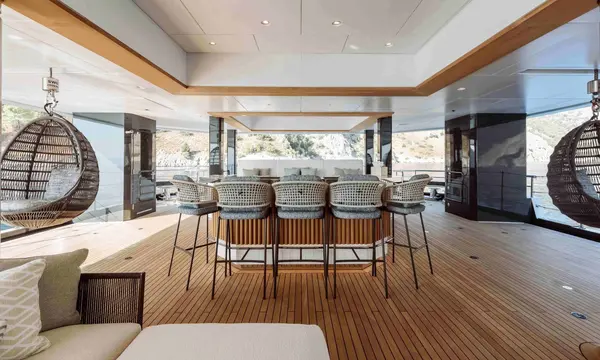
H2 Yacht Design Explains the Interiors Behind Long-Range Explorer Yachts
H2 Yacht Design's 17 November journal examines interior and exterior planning for extended exploration, drawing on its experience across several of the world's largest …

© Respective copyright holder / Winch; official source image, individual photographer not identified.
Winch has unveiled a simplified studio identity, retaining its signature blue as an accent and marking forty years of yacht, aviation and residential design.
Winch has announced a revised visual identity in its fortieth anniversary year, adopting the shorter studio name that many clients and industry collaborators already use. The announcement, dated 18 November 2026, presents a more restrained graphic language intended to connect the firm's yacht, aviation and residential projects through their shared emphasis on craftsmanship.
Founded by Andrew Winch in 1986, the practice has evolved from a yacht design specialist into a multidisciplinary studio. Its latest identity is therefore relevant to the superyacht market not merely as a change in typography, but as a statement about the breadth of the design services that owners can commission from one established practice.
The studio explains that its refreshed identity places the name Winch at the centre of its communications. This is a branding development, and the announcement should not be interpreted as evidence of a change to its legal corporate structure, ownership arrangements or contractual obligations.
The shorter name also avoids making one design discipline appear subordinate to another. A client commissioning a yacht interior may have a private aircraft or a residence that requires a related visual treatment, while still needing different technical specialists for each commission. A consistent studio identity offers a recognisable starting point for those conversations without requiring every project to share an identical aesthetic.
The anniversary provides a useful perspective on how the requirements of yacht design have expanded since 1986. Contemporary superyacht interiors must reconcile the personal preferences of owners with demanding engineering constraints, complex entertainment systems, substantial accommodation requirements and the increasingly sophisticated expectations of international charter guests.
A mature design practice can contribute continuity across multiple generations of a family's projects. Familiarity with the client's preferences may help to reduce the time needed to establish a brief, although every new yacht must still be evaluated on its individual hull, structural layout and operating requirements.
Winch became employee-owned in 2021, according to the studio's account of its development. In 2024 the practice moved into new premises that brought its disciplines together, a change that the company associates with greater opportunities for collaboration.
For a large yacht project, the availability of specialists in a common working environment can be especially valuable during the early stages of design. An interior architect, furniture designer and materials specialist may need to resolve a single detail together before it can be translated into drawings suitable for a shipyard or subcontractor.
Employee ownership does not in itself guarantee a particular project outcome. Its relevance to clients is best assessed through the continuity of the people assigned to a commission, the studio's project management procedures and the clarity of responsibilities throughout the delivery programme.
The revised visual language takes inspiration from materials such as wood, stone and metal. Winch's established blue remains as an accent rather than being abandoned, providing continuity with the previous presentation of the business.
This connection between graphics and materials is particularly appropriate for an interior design practice. Yacht owners do not ultimately experience a colour palette on a computer screen; they encounter it in changing daylight, reflected light from the water, textured surfaces and the physical objects that surround them.
The difference can be significant when a colour that appears restrained in a studio sample becomes much warmer under artificial illumination. Testing combinations of upholstery, veneer, stone and lighting at realistic scales helps a project team establish whether the intended design atmosphere can be reproduced aboard the yacht.
The existing symbol has been reframed as the Maker's Mark, a secondary signature within the refreshed identity. The studio relates the mark to craftsmanship and the care associated with making individual objects and spaces.
That idea has a practical parallel in bespoke yacht construction. Many prominent details in an interior are the result of collaboration between the design studio, the shipyard, specialist joiners, metalworkers, textile suppliers and other craftspeople, rather than the work of one person alone.
A well-developed design brief recognises these contributions and creates a consistent standard for their integration. Owners benefit from knowing which details are genuinely custom-made, which depend on a supplier's established system, and which components can be repaired or reproduced during the yacht's future operating life.
One of the central challenges of a superyacht commission is maintaining design intent as a project advances from a concept presentation to production. Drawings must be sufficiently detailed for the shipyard to establish dimensions, allowances, interfaces and tolerances, while procurement teams must identify materials available within the programme.
The process can involve difficult compromises where a visually attractive proposal conflicts with access to machinery, escape routes, ventilation or other technical requirements. Resolving these conflicts early is less disruptive than redesigning a partially installed interior.
A material-led approach can also help owners understand the consequences of a design decision. A particular stone treatment might require specialist fabrication and careful weight assessment, while an apparently simple veneer may involve complex matching across adjacent panels and replacement stock for future maintenance.
The relationship between yacht, aircraft and residential design creates opportunities to exchange ideas about furniture, lighting, proportions and the treatment of fine materials. However, transferring an idea successfully requires an understanding of the environment in which it will be used.
Aircraft cabins impose stringent weight and certification requirements, while yacht interiors must account for vessel motion, humidity, marine safety standards and access for maintenance. Residential architecture may allow different structural arrangements and installation techniques altogether.
A multidisciplinary design team therefore needs both creative flexibility and technical discipline. A successful reference from one field becomes a starting point for investigation, not a justification for importing an unmodified specification into another.
The term bespoke is often associated with rare materials and elaborate decoration, but the most consequential custom decisions frequently concern how a space functions. The relationship between a private suite and an exterior terrace, the circulation between entertaining areas, or the separation of service access from guest corridors can influence the daily experience far more than a change in surface finish.
A design practice working across several types of luxury property may be able to recognise patterns in an owner's lifestyle. The challenge is to understand the reasons behind those preferences and adapt them to the conditions of a vessel, rather than simply reproduce the layout of a home.
This also applies to furniture dimensions and storage. A beautifully presented yacht interior must remain comfortable when fully occupied, and the crew needs suitable locations for the equipment and supplies required to maintain it.
The same principles apply when an existing yacht is being updated. The original architectural character, structural boundaries and condition of retained materials should be established before a replacement scheme is developed.
A refit offers opportunities to improve lighting, entertainment, upholstery and everyday functionality, but removing perfectly serviceable elements without a compelling reason can increase expenditure and waste. A detailed assessment of the existing interior helps identify the interventions that will deliver the greatest benefit.
Where the original design studio is involved, access to earlier drawings and specifications may assist the process. Even then, the actual condition and configuration of the yacht must be checked rather than assumed to match its original documents.
The immediate development announced by Winch is a visual one. Its commercial significance lies in how the firm presents its established capabilities to owners, representatives, builders and other collaborators during a period of continuing demand for individually designed large yachts.
Prospective clients should assess a design appointment through the proposed team, scope of work, deliverables, revision procedures and coordination arrangements with the shipyard. A compelling identity can communicate a creative philosophy, but it cannot replace the practical foundations of a successful construction or refit agreement.
As Winch enters its fifth decade, the anniversary announcement provides an opportunity to consider how design businesses establish continuity while adapting to new technologies and client expectations. The studio's decision to emphasise materials, craftsmanship and a shared identity across disciplines is consistent with the increasingly integrated nature of contemporary luxury commissions.
Original primary record: Winch. © Respective copyright holder / Winch; official source image, individual photographer not identified. Original first-party media: source photograph or official illustration. Copyright and image source are credited; first-party availability does not imply unrestricted reproduction permission.
Continue reading
H2 Yacht Design's 17 November journal examines interior and exterior planning for extended exploration, drawing on its experience across several of the world's largest …
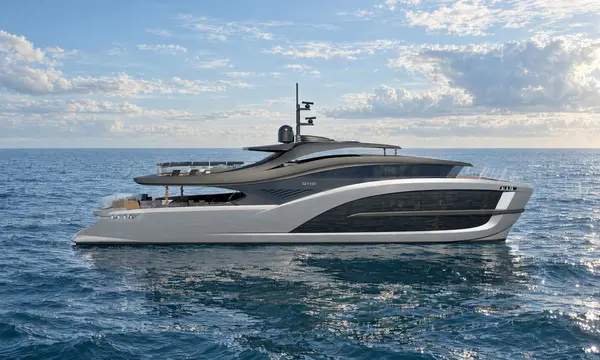
Ultimate Catamarans presents an art-led design interpretation of its 32-metre Q110 aluminium catamaran at the November 2026 Dubai boat show, showing new Marcapiano exteriors.
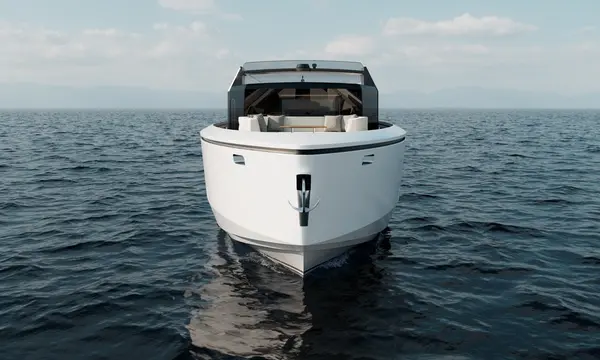
The official 27.5-metre AMER 9 specifications confirm a GRP-and-aluminium concept designed inside and out by Milan-based AOUMM. Here is how its design approach connects …

MEMORA by Giada Faccini and Elisabetta Savoldi wins the fourth Giovanni Besenzoni Award for Yacht Design, recognising creative concepts for a yacht balcony inspired …
Superyacht Guide
Continue into the wider Superyacht Guide.
Business opportunities · Superyacht Guide
Companies serving the superyacht market can discuss clearly identified advertising, sponsorship and business-profile opportunities. Commercial activity remains separate from independent editorial coverage.